
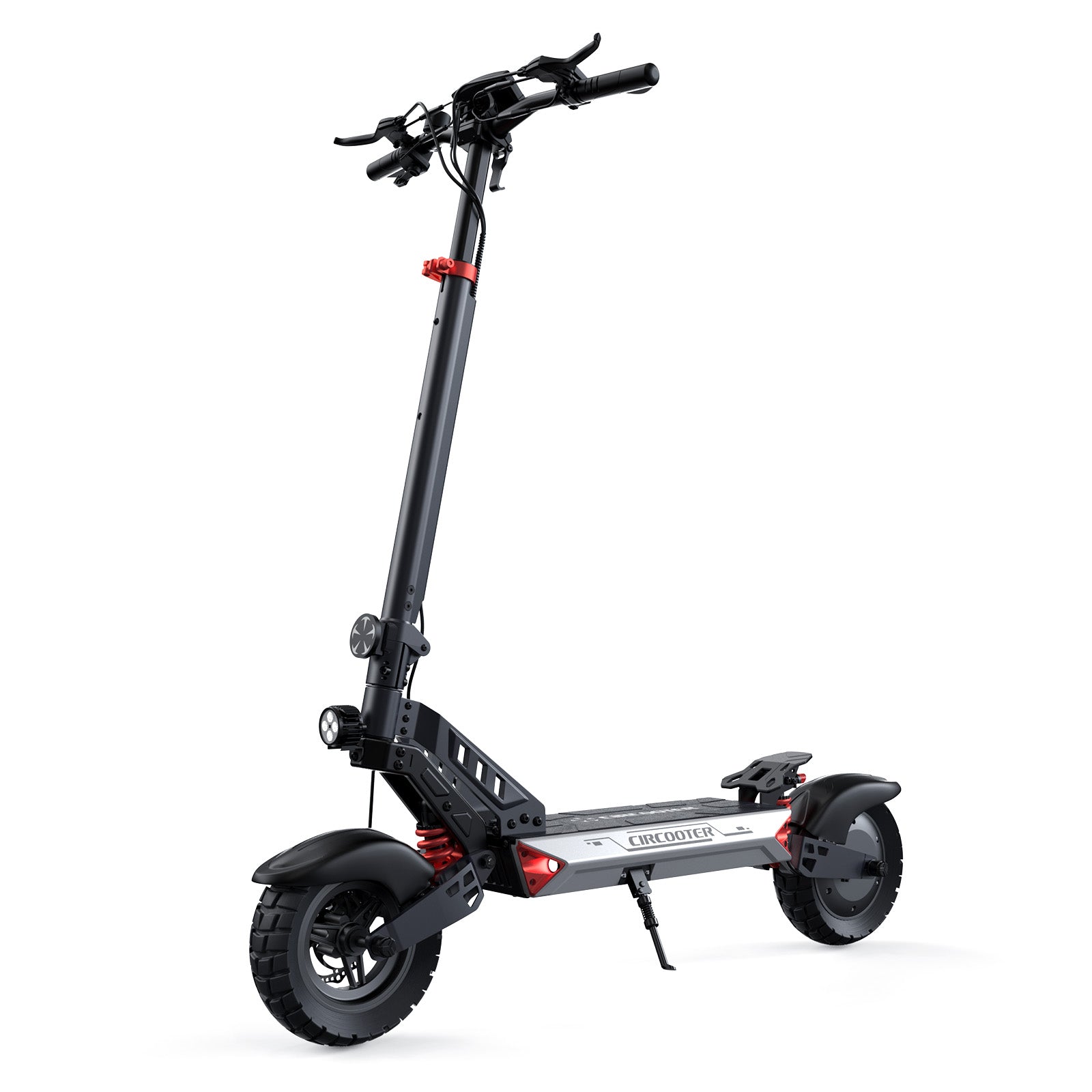
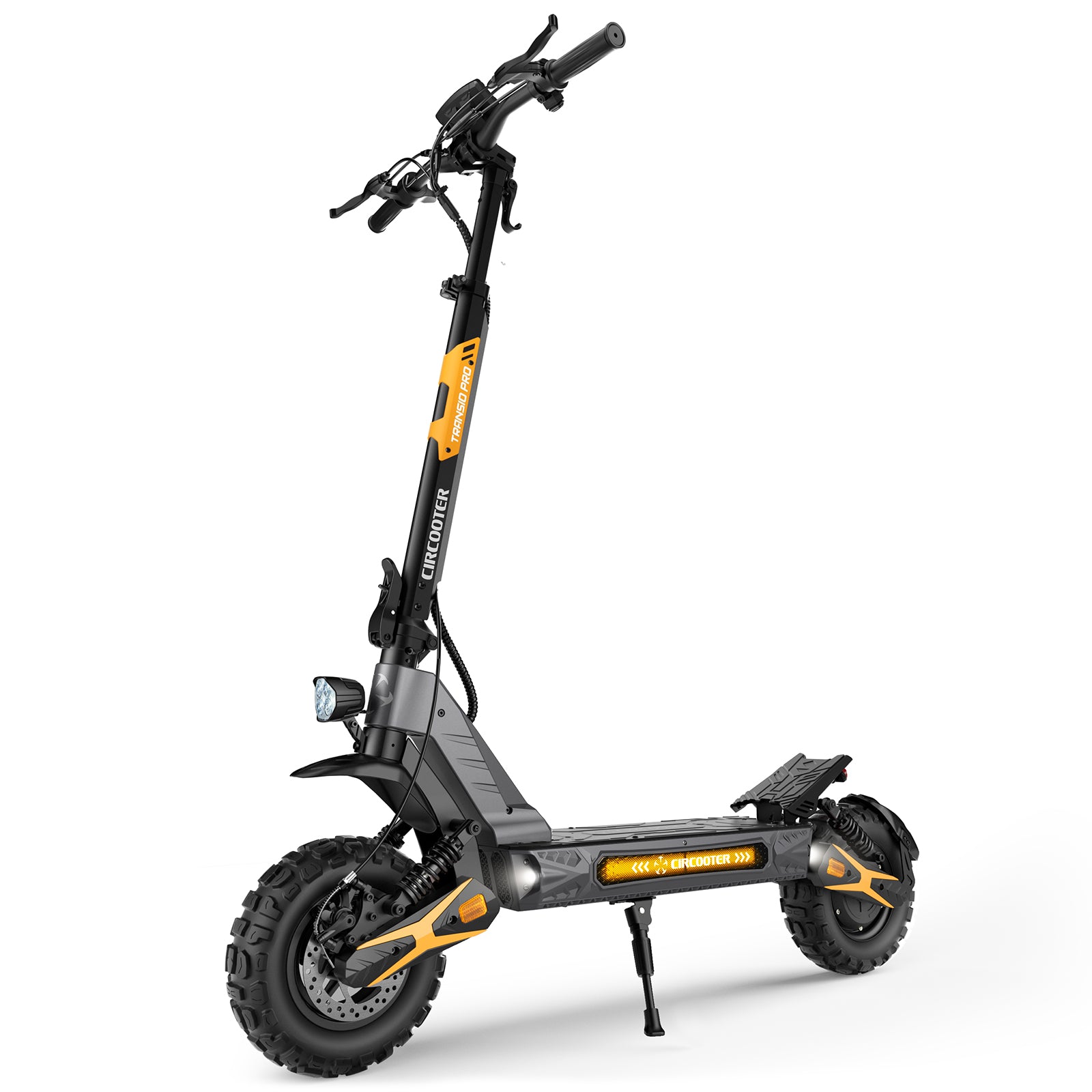
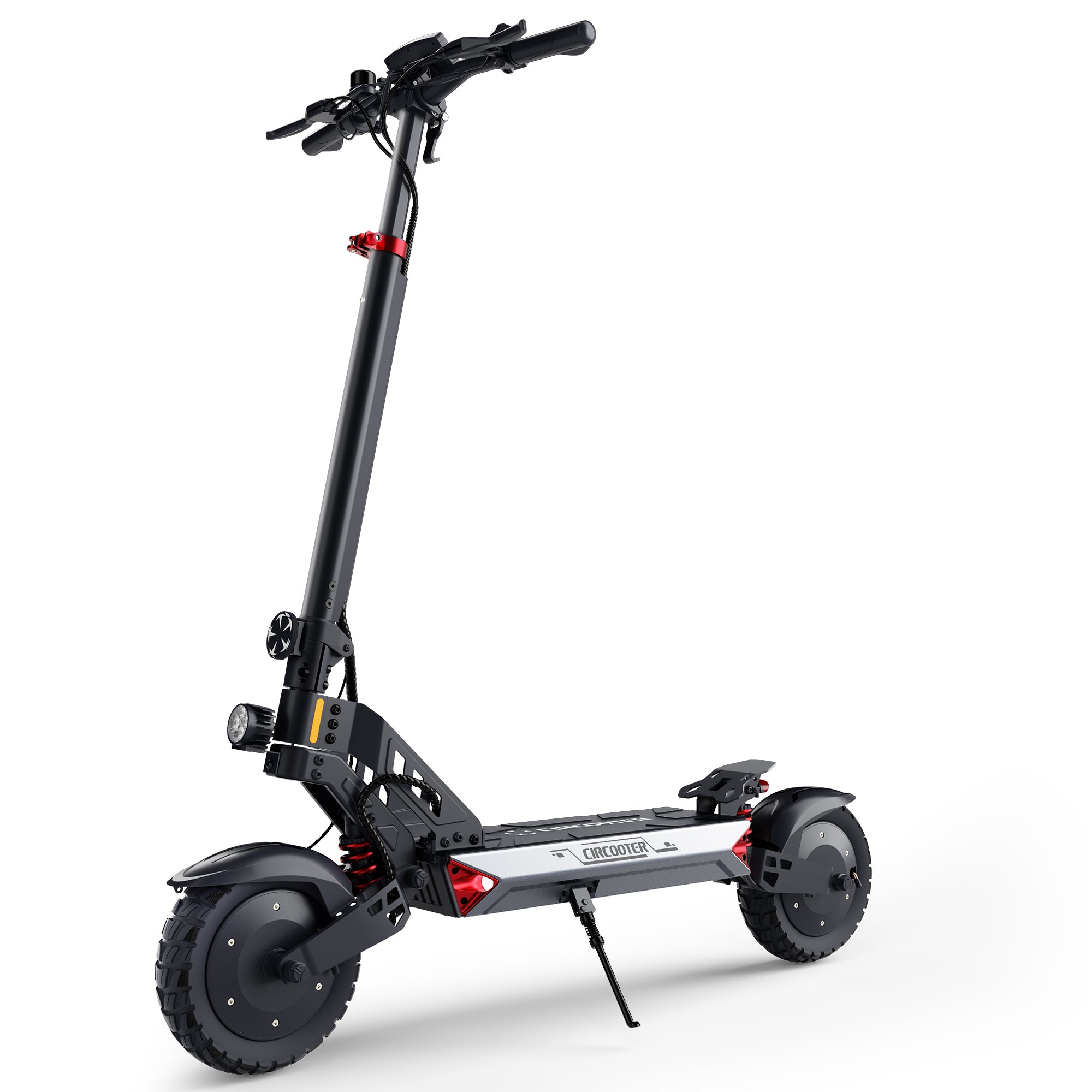
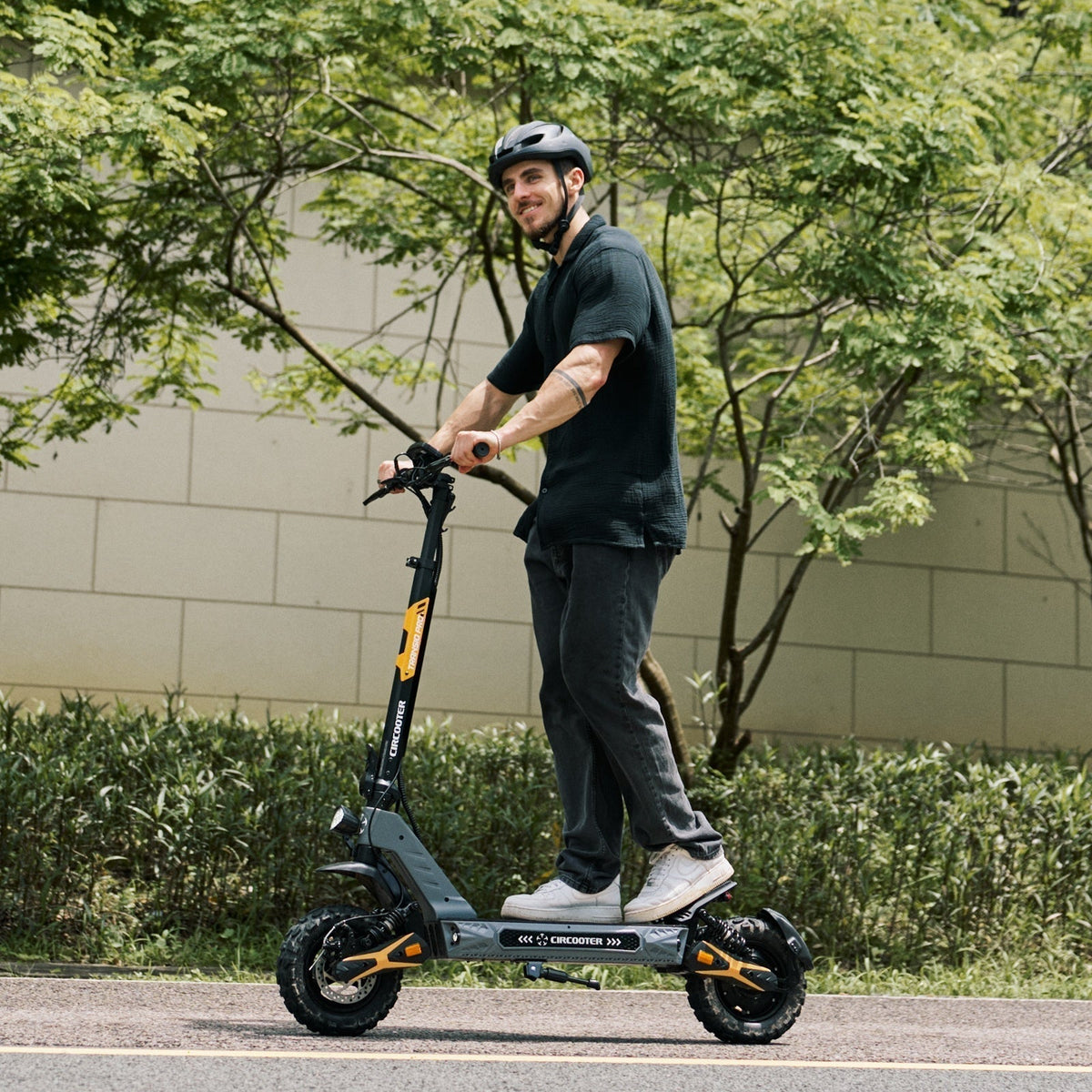
What Makes the Transio Pro Off-Road Electric Scooter Actually Stable
The short answer: it comes down to suspension, tires, and weight distribution working together. A scooter can have a strong motor and still feel shaky on rough ground if those three things aren't dialed in. That's the real difference between a scooter built for smooth sidewalks and one meant for gravel paths, uneven trails, or cracked city streets. When you're shopping for an electric scooter for rough roads, these are the specs worth actually paying attention to, not just top speed or range.
The Suspension System That Soaks Up the Shock

Suspension is where most of the "rough terrain" work happens. A basic spring or no suspension at all means every bump in the road travels straight up through the deck and into your knees and wrists. That gets tiring fast, and it also makes the ride less predictable because your wheels bounce instead of staying planted.
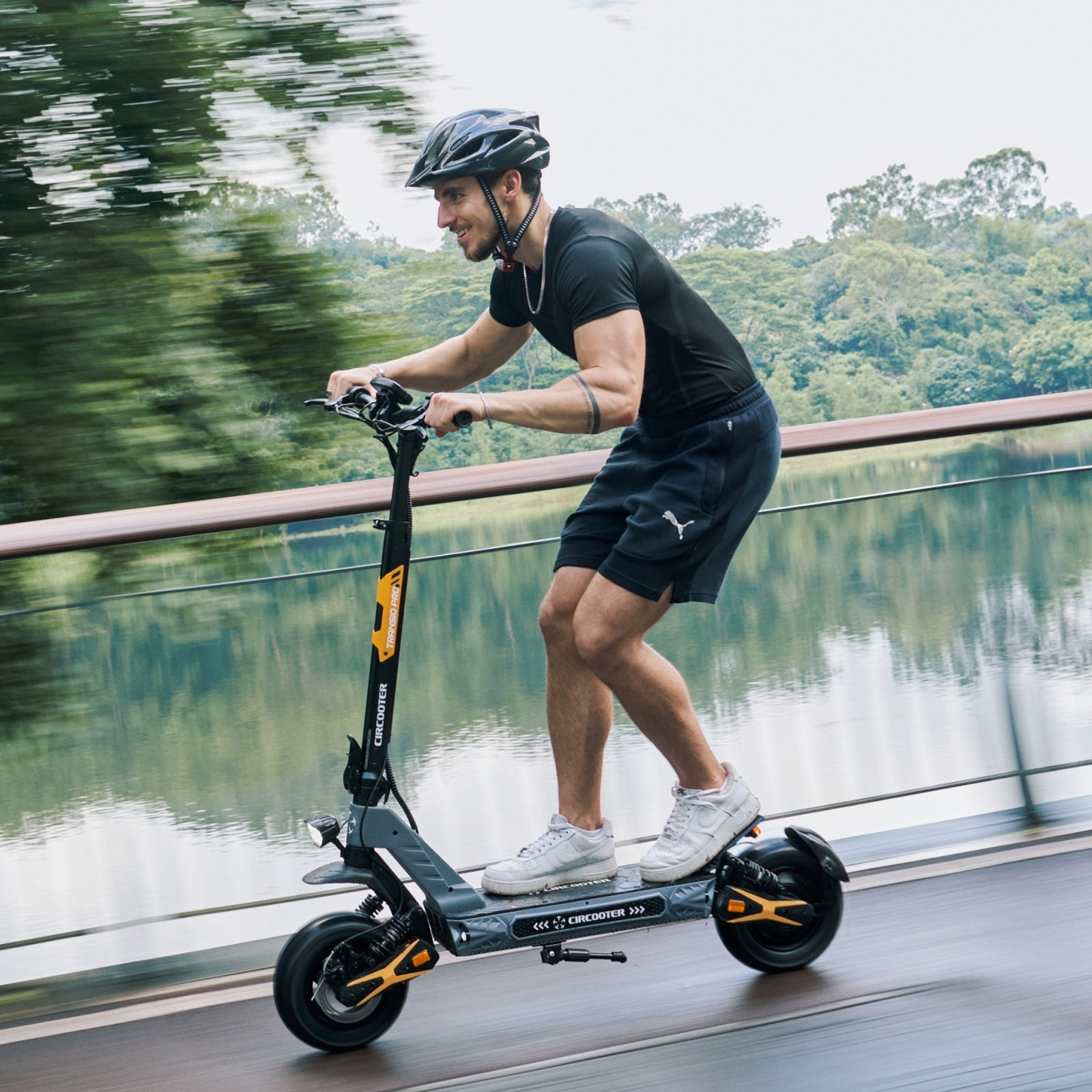
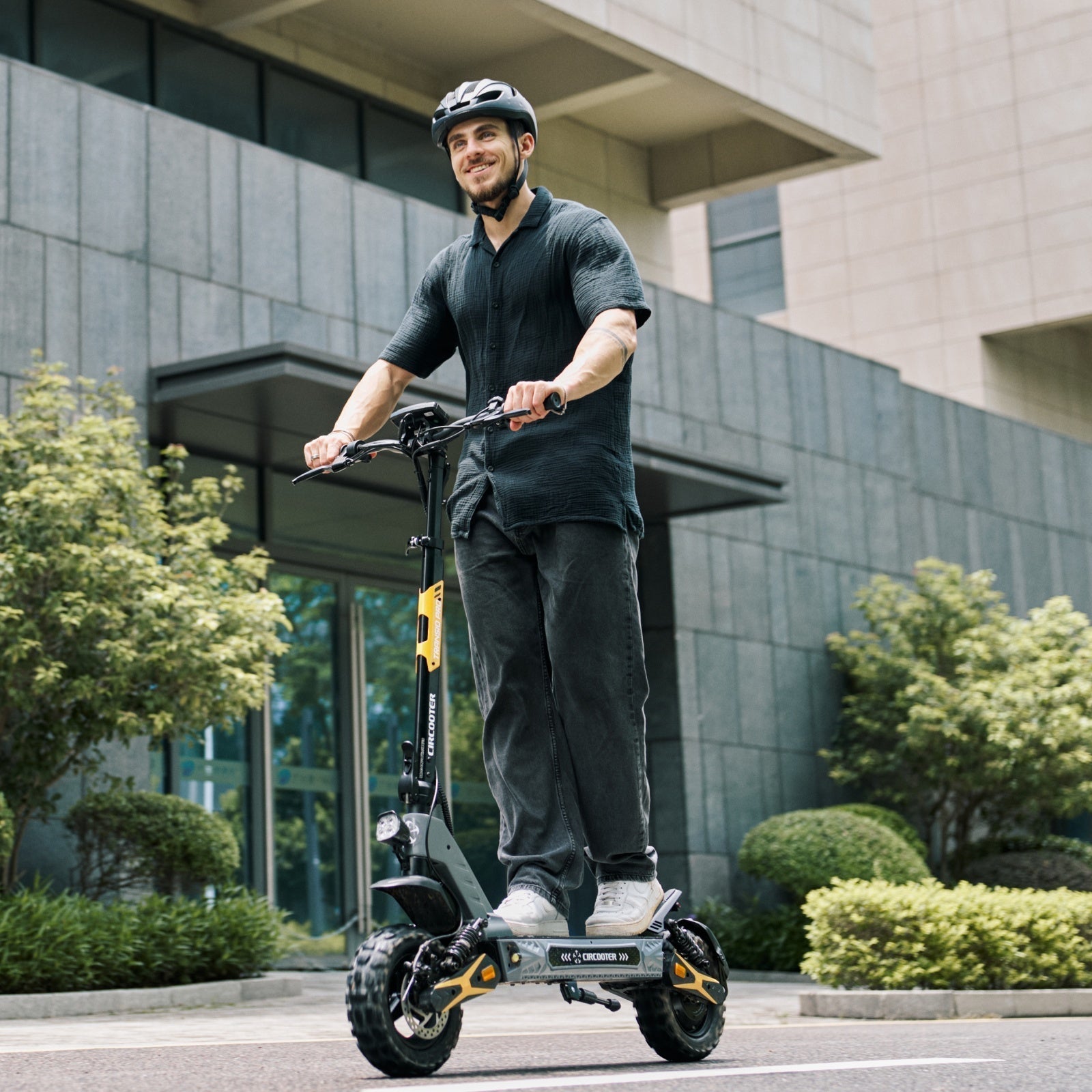
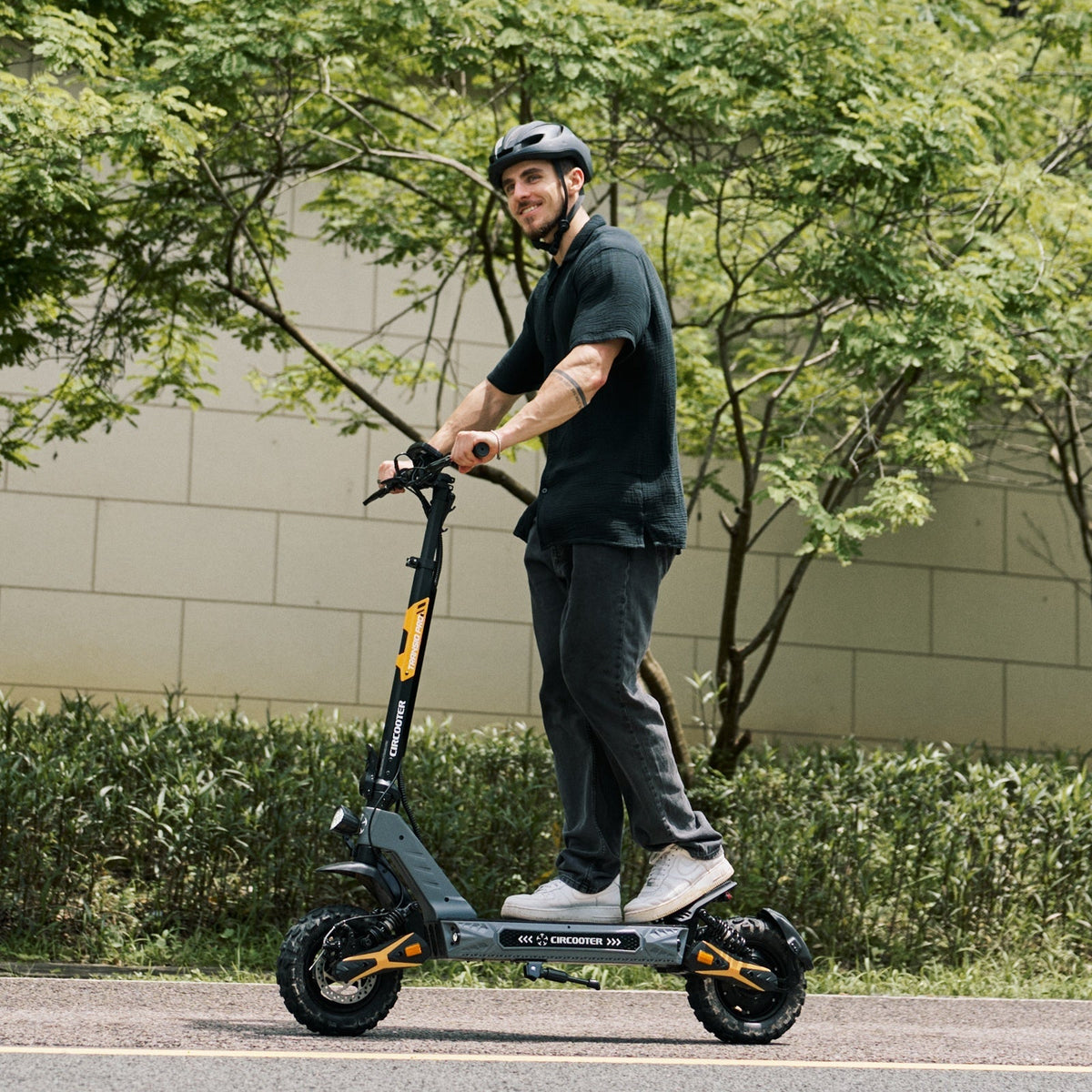
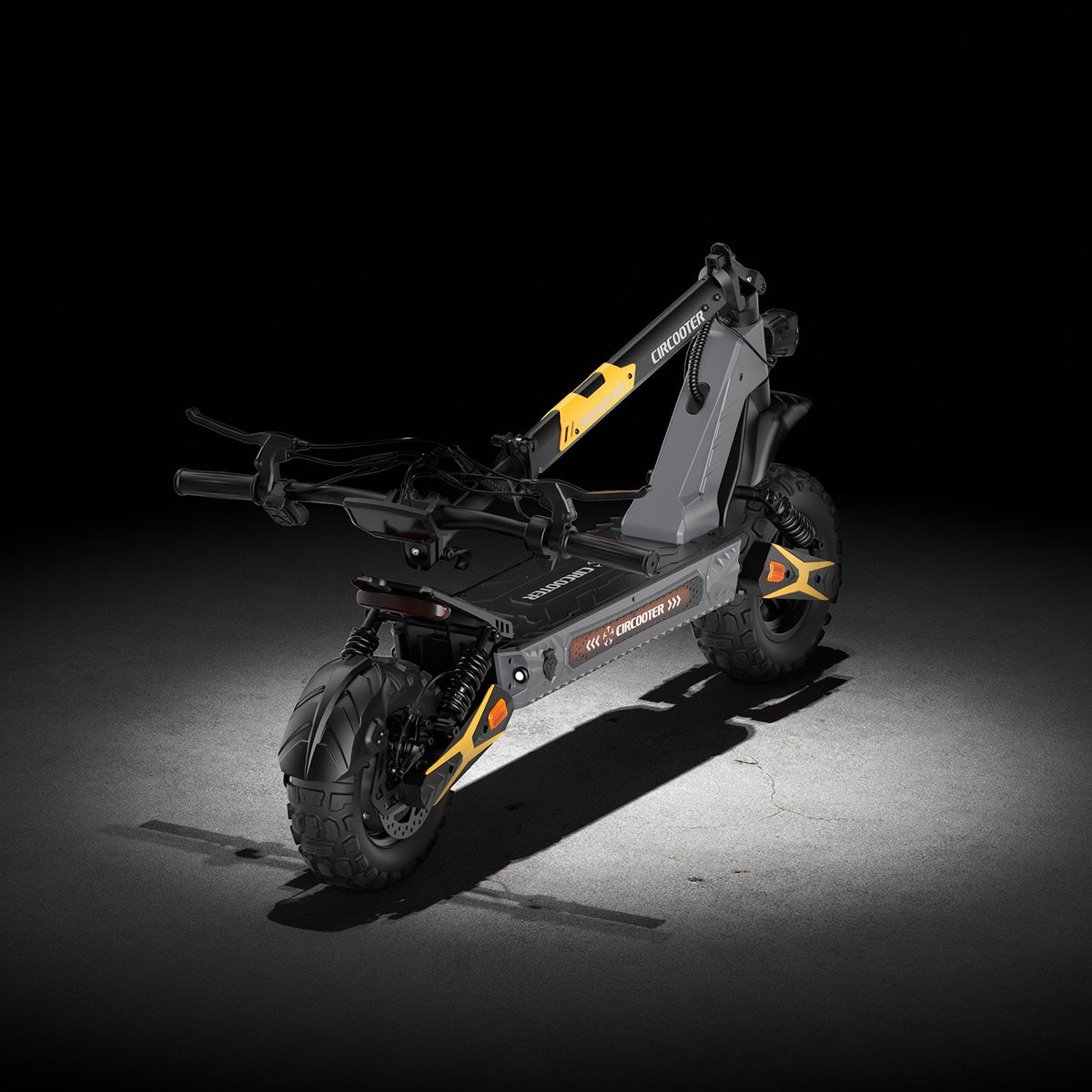
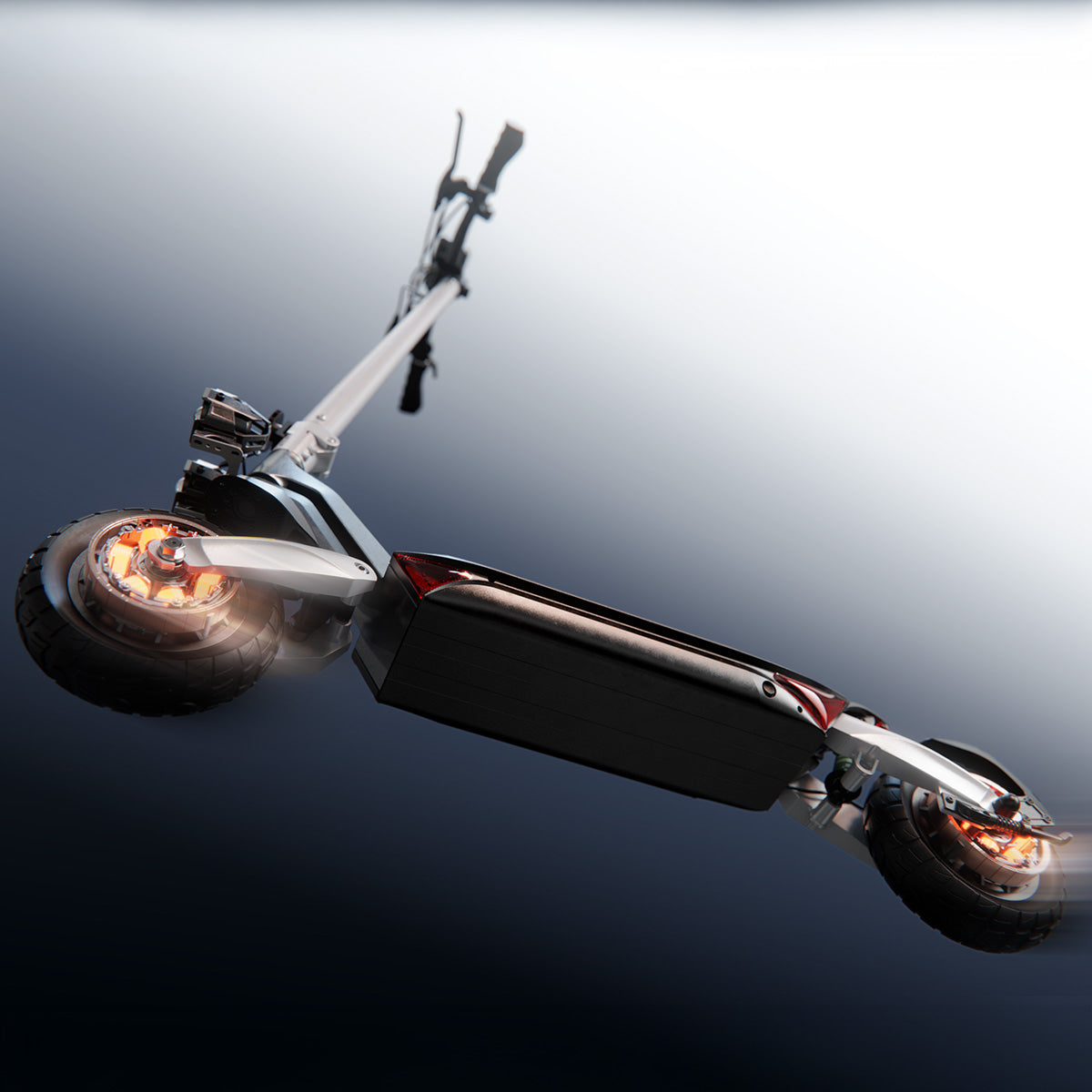
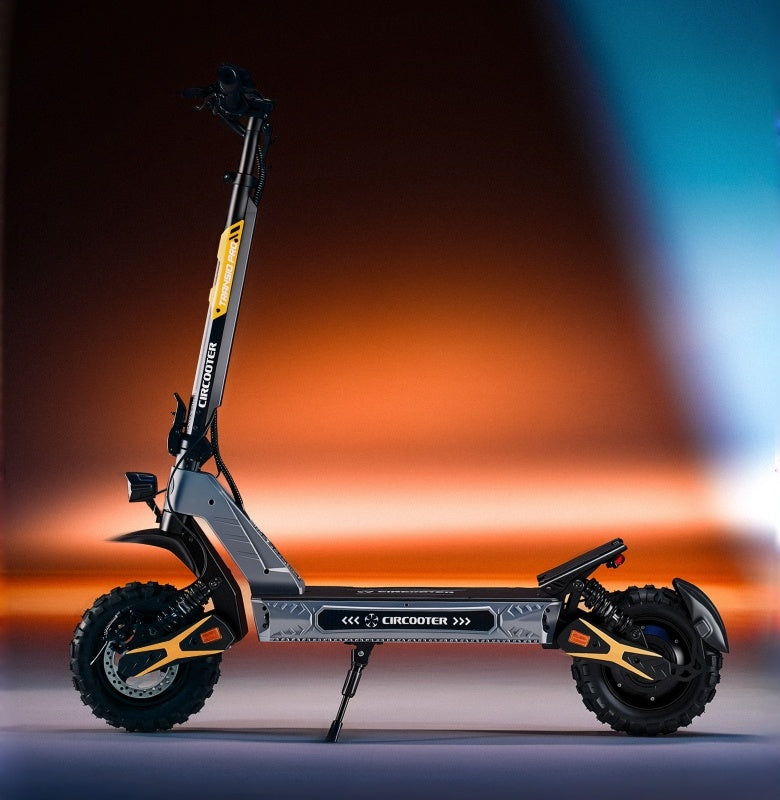
Dual-arm suspension changes that. Instead of a single shock trying to absorb everything, two independent arms let each wheel react to bumps on its own. If the front wheel hits a rock or a pothole, the rear wheel isn't thrown off balance by it. This kind of setup is common in off-road vehicles for a reason because it keeps contact with the ground more consistent, which means better control when you're riding somewhere other than flat asphalt.
This is also the kind of detail that shows up across different terrain types, not just dirt trails. Reviewers digging into how the Landturbo Ultra handles off-road terrain found that suspension quality mattered just as much on gravel and hills as it did on rocky paths. It's less about one specific surface and more about how the scooter reacts to sudden changes underneath it.
Tubeless Tires Built for Off-Road Grip
Tires matter almost as much as suspension, and they work together rather than separately. An 11-inch tubeless tire scooter setup gives you a larger contact patch with the ground compared to smaller wheels, which naturally improves grip and stability on loose or uneven surfaces.
Tubeless construction also matters for a practical reason: no inner tube means no pinch flats, which are one of the most common tire failures on rough terrain. Hit a sharp rock or a curb edge on a tubed tire and you risk a pinch flat right there. Tubeless tires handle those impacts better and tend to hold air pressure more evenly, which keeps the ride steady instead of gradually getting softer and less controlled.
Bigger tires also absorb small bumps before they even reach the suspension, so the two systems share the workload. That's part of why all-terrain riding feels noticeably different on 11-inch tubeless tires versus the smaller solid tires you'd find on a basic commuter scooter.
Load Capacity and Stability Under Weight
Stability isn't just about suspension and tires in isolation, but it's also about how a scooter behaves under real-world weight. A higher load capacity generally means a sturdier frame and a lower center of gravity, both of which help keep things planted when you're riding over uneven ground.
A scooter rated for 330 lbs, for example, isn't just built for heavier riders. That extra structural capacity also means better stability at any weight, because the frame and suspension aren't working near their limit. When a scooter is engineered with headroom built in, it responds more predictably to bumps and shifts in weight, which matters a lot when the terrain itself is unpredictable.
Quick Look: What Actually Keeps a Scooter Stable Off-Road
Here's a simple rundown of the core factors that determine how well a scooter handles rough terrain:
Suspension type - independent dual-arm systems react to bumps on each wheel separately, rather than transferring shock across the whole frame
Tire size - larger tires (10 to 11 inches) create a bigger contact patch and roll over small obstacles more smoothly
Tire construction - tubeless designs resist pinch flats and hold pressure more consistently than tubed tires
Load capacity - a higher weight rating usually points to a sturdier frame with more stability margin
Braking system - dual disc brakes with anti-lock features help maintain control when stopping on loose or wet surfaces
Ground clearance - more clearance means fewer scrapes and snags on rocks, roots, or curbs
All-Terrain Riding Beyond the Trail

It's worth pointing out that "off-road" doesn't only mean dirt trails or mountain paths. A lot of daily riding involves rough patches too, such as potholed streets, gravel shortcuts, unpaved driveways, or parks with dirt paths connecting paved sections. All-terrain riding capability is just as useful for someone commuting through a city with inconsistent road quality as it is for someone deliberately seeking out trails.
That's part of why suspension and tire quality shouldn't be treated as a "nice to have" feature reserved for adventure riding. If you're planning longer trips off the beaten path, it also helps to think ahead about battery use. This guide on off-road scooter range planning for remote routes covers how rough terrain and hills affect range differently than flat city riding, which is worth factoring in before you head out.
Compared to lighter, single-motor options built mainly for pavement, scooters designed with off-road capability in mind, including models like the Landturbo Pro or the dual-motor Raptor Pro are built from the ground up with terrain variability in mind, not just top speed on a flat road.
The Real Takeaway for Rough-Road Riders
At the end of the day, handling rough terrain well is about how the suspension, tires, and frame work together under real conditions. Independent suspension keeps each wheel reacting on its own, tubeless tires resist the flats that rough surfaces cause, and a solid load capacity keeps the whole ride stable rather than twitchy. If you regularly deal with gravel, potholes, or unpaved shortcuts, these are the specs that make the difference between a rough ride and a controlled one. The Transio Pro brings this combination together, alongside options like the Landturbo Ultra for riders who want even more power behind the same terrain-focused design.
Common Questions About Off-Road Electric Scooters
Do I need an off-road scooter if I mostly ride in the city?
Yes, if your city has potholes, gravel patches, or unpaved shortcuts, rough-terrain features help on more than just trails.
What's the difference between dual-arm suspension and a single shock?
Dual-arm suspension lets each wheel react independently, so a bump on one side doesn't unbalance the whole scooter.
Are tubeless tires harder to maintain than tubed tires?
Not really. They're actually less prone to flats and hold air pressure more consistently over time.
Does a higher weight capacity matter if I'm not close to that limit?
Yes, a higher rating usually means a sturdier frame overall, which improves stability for any rider weight.
Can all-terrain scooters still be used for daily commuting?
Definitely. The added stability and grip make daily rough-road commuting smoother, not just off-road adventures.



Leave a comment
All comments are moderated before being published.
This site is protected by hCaptcha and the hCaptcha Privacy Policy and Terms of Service apply.