
Rethinking the Ride to Work
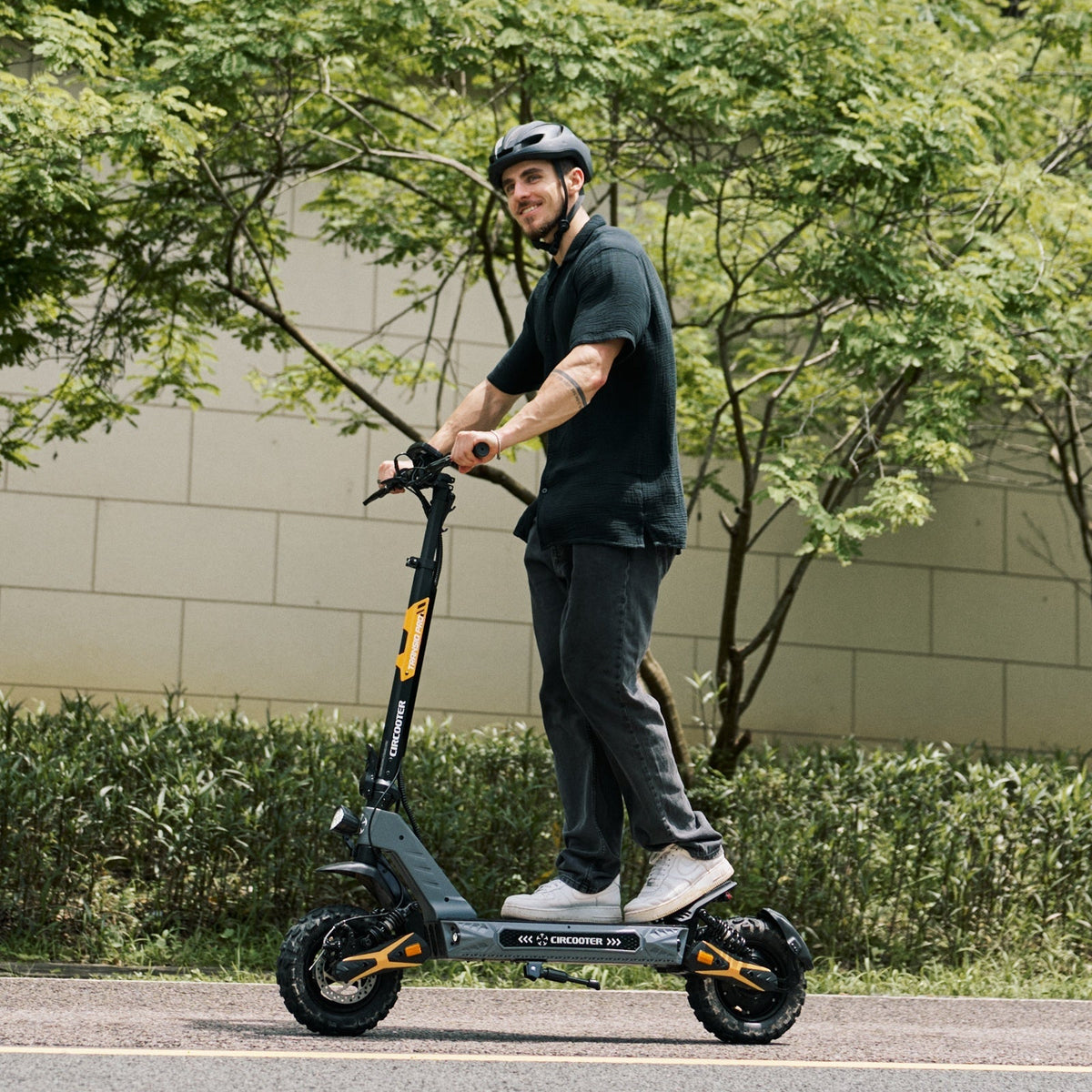
Does Labor Day have anything to do with how people get to their jobs? In a roundabout way, yes. The holiday was built to honor the everyday worker, and part of that everyday experience is the commute itself — the walk, the drive, the transit ride, or increasingly, the e-scooter commute that gets someone from their door to their desk. As work patterns shift and cities get more crowded, the way people travel those first and last miles has quietly become part of the conversation about modern labor.
This piece looks at why e-scooter commuting has picked up momentum, what it's actually good for, and where its limits are. The goal isn't to declare a winner in the transportation debate but to lay out where an electric scooter commute realistically fits into a workday.
What Labor Day Says About Modern Work
Labor Day started as a tribute to the achievements of workers, and over the decades the nature of "work" itself has changed a lot. Fewer people clock in at a single factory for forty years; more people juggle hybrid schedules, gig work, or jobs that require moving between multiple sites in a single day. That shift has quietly reshaped commuting habits too.
When a chunk of the workforce only needs to be in the office two or three days a week, the old model of a single long car commute starts to feel less efficient. Shorter, more flexible trips such as going to a coworking space, a client meeting, or the train station, call for transportation that's just as flexible. That's part of why alternative transportation options, including e-scooters, have found a growing audience among today's workers.
How Commuting Has Changed
Urban commuting used to mean picking one method and sticking with it: drive, take the bus, or walk. Now it's common to combine several modes in a single trip. Someone might drive to a transit hub, then finish the last mile on foot, by bike, or on a scooter.
This "multi-modal" pattern is one of the biggest shifts in how cities move. It's also where commuting by scooter tends to shine, since it fills exactly the kind of short gap that traditional transit doesn't always cover well, the stretch between a train station and an office that's too far to walk comfortably but too short to justify a car.
Why Short Commutes Are Ideal for E-Scooters
Not every commute is a good match for an e-scooter, and that's worth saying plainly. Long highway commutes, commutes through areas without safe road infrastructure, or trips in heavy rain and snow are usually better suited to a car or transit.
Where an e-scooter commute tends to work well is the short-to-mid distance range, roughly one to five miles, especially in areas with bike lanes, low-speed streets, or dedicated scooter paths. At that distance, a scooter can often be faster door-to-door than circling for parking or waiting on a bus that's running behind schedule.
E-Scooters as an Alternative for Short Trips

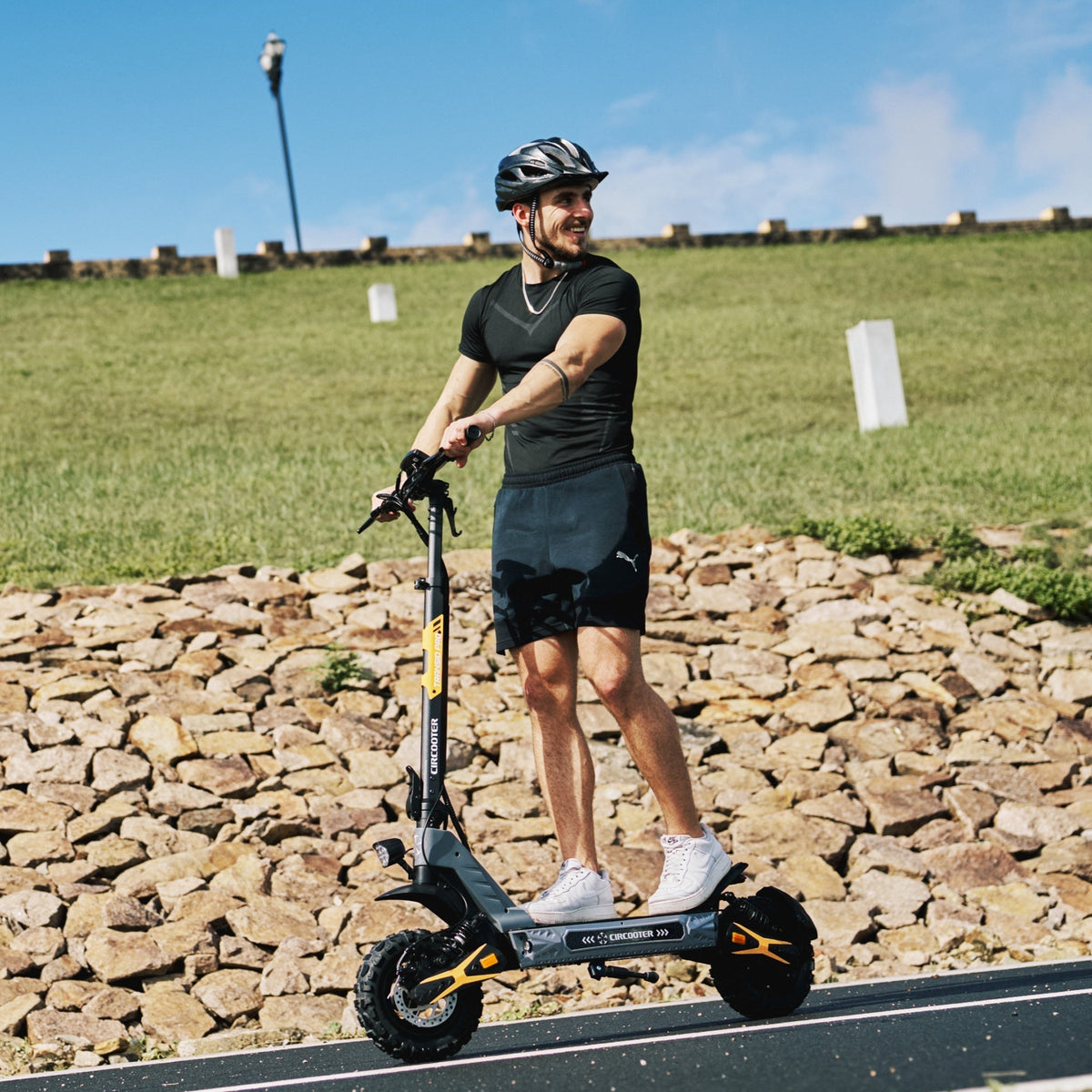
For workers whose daily routine includes small, repeated trips, an electric scooter commute can serve as a practical alternative transportation option rather than a full car replacement.
This is really the honest way to frame it: e-scooters aren't trying to replace cars for every trip. They're better understood as a tool for the short trips that make up a surprising share of a person's daily travel, especially in dense or mixed-use neighborhoods where parking and traffic add friction to every drive.
The Benefits and Limitations of E-Scooter Commuting
Benefits:
Lower cost per trip compared to fuel, parking, and rideshare fares
No circling for parking near the office
Easy to combine with transit for multi-modal trips
Compact enough to fold and store at a desk or in a locker
Generally quicker than walking for distances under a few miles
Limitations:
Weather sensitivity, such as rain, snow, and ice make riding less practical
Local laws vary widely on where scooters can be ridden or parked
Limited cargo capacity compared to a car
Battery range caps how far a single charge can take a rider
Road conditions and bike infrastructure aren't consistent everywhere
Local rules matter here more than people expect. Speed limits, sidewalk restrictions, and helmet requirements differ from city to city, so it's worth checking regulations before treating e-scooter commuting as a daily habit. Riders curious about scooter speed settings sometimes look into topics like how to remove the speed limiter on an electric scooter, though local speed laws should always come first when deciding what's appropriate for street riding.
How to Make an E-Scooter Part of Your Workday
Turning an e-scooter into a reliable part of a routine takes a bit of planning, not just enthusiasm. Set aside a few minutes to go through this list:
Map the route in advance and note bike lanes or low-traffic streets
Charge the battery the night before, not the morning of
Keep a lock on hand for stops along the way
Check tire condition regularly, since worn tires affect both grip and range. CIRCOOTER’s tire replacement guidecan help riders spot when it's time for a swap
Have a backup plan (transit or rideshare) for bad weather days
Riders who plan to leave a scooter at work or a transit stop for hours should also think about where it's kept. A look atproper electric scooter storage can help protect the battery and frame from sun, moisture, and theft risk during the workday.
What to Know Before Your First E-Scooter Commute
Before committing to an e-scooter commute as a regular habit, it helps to test it on a low-stakes day first, a weekend errand or a short trip with flexible timing. This gives a realistic sense of travel time, comfort, and how the route feels in real traffic, without the pressure of being late for work.
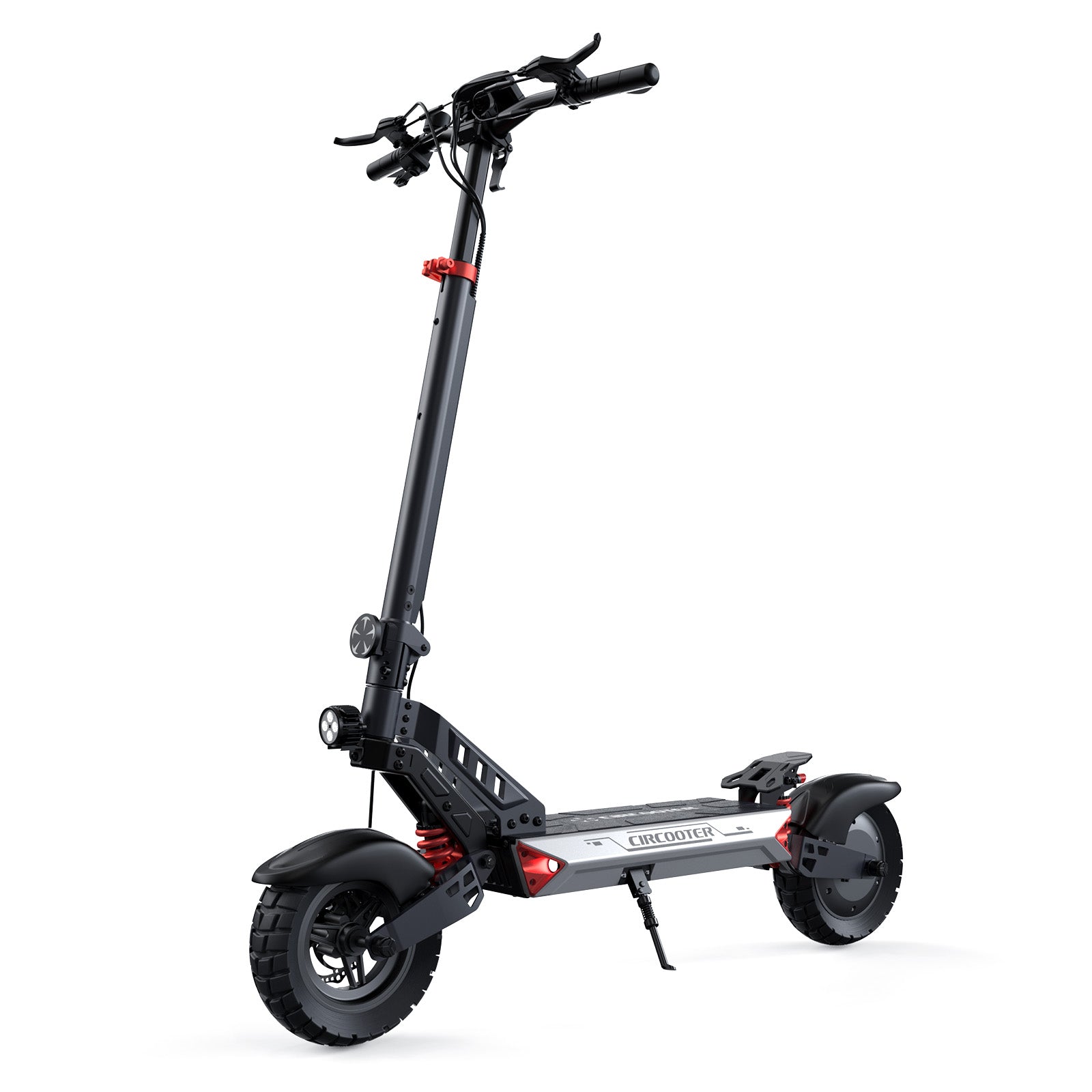
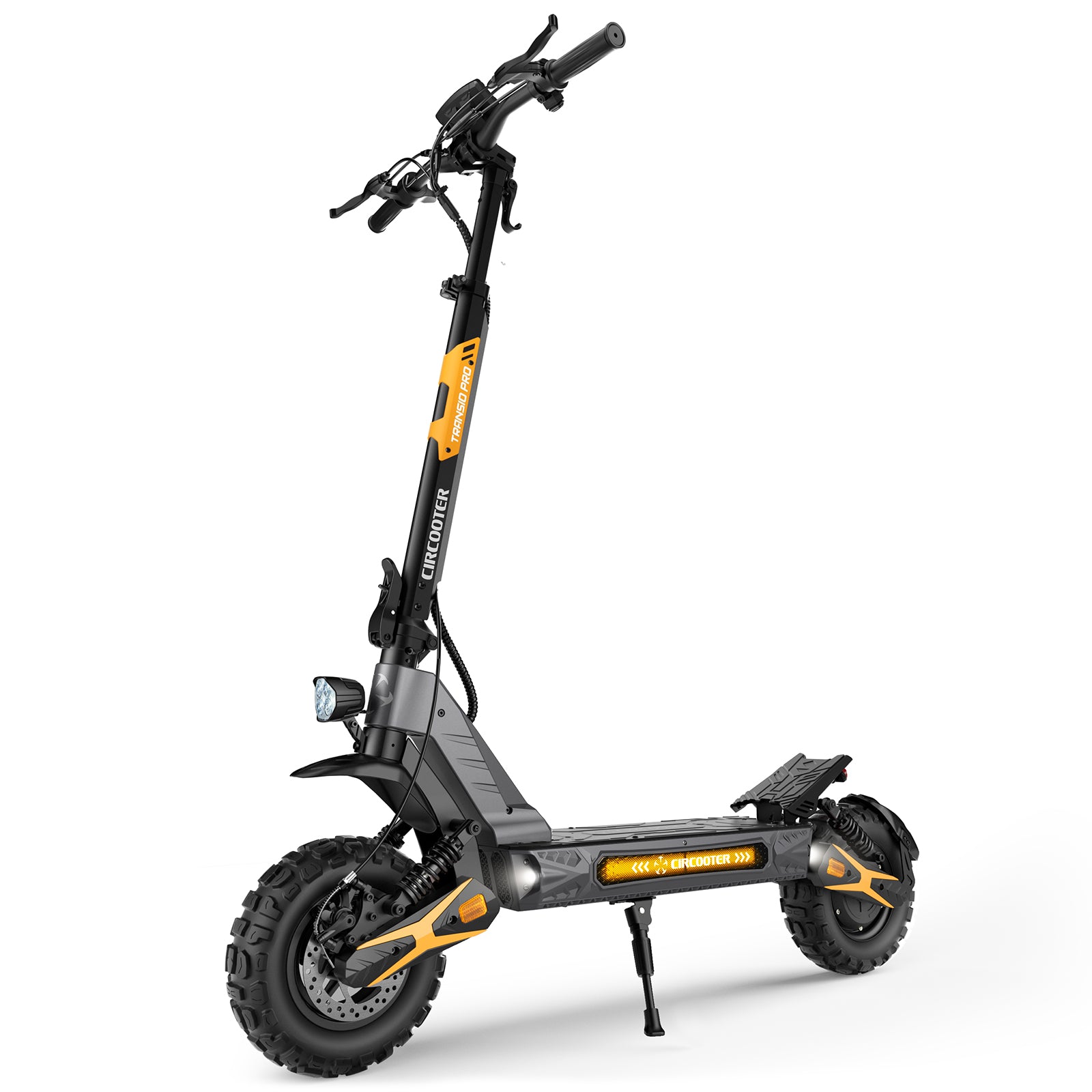
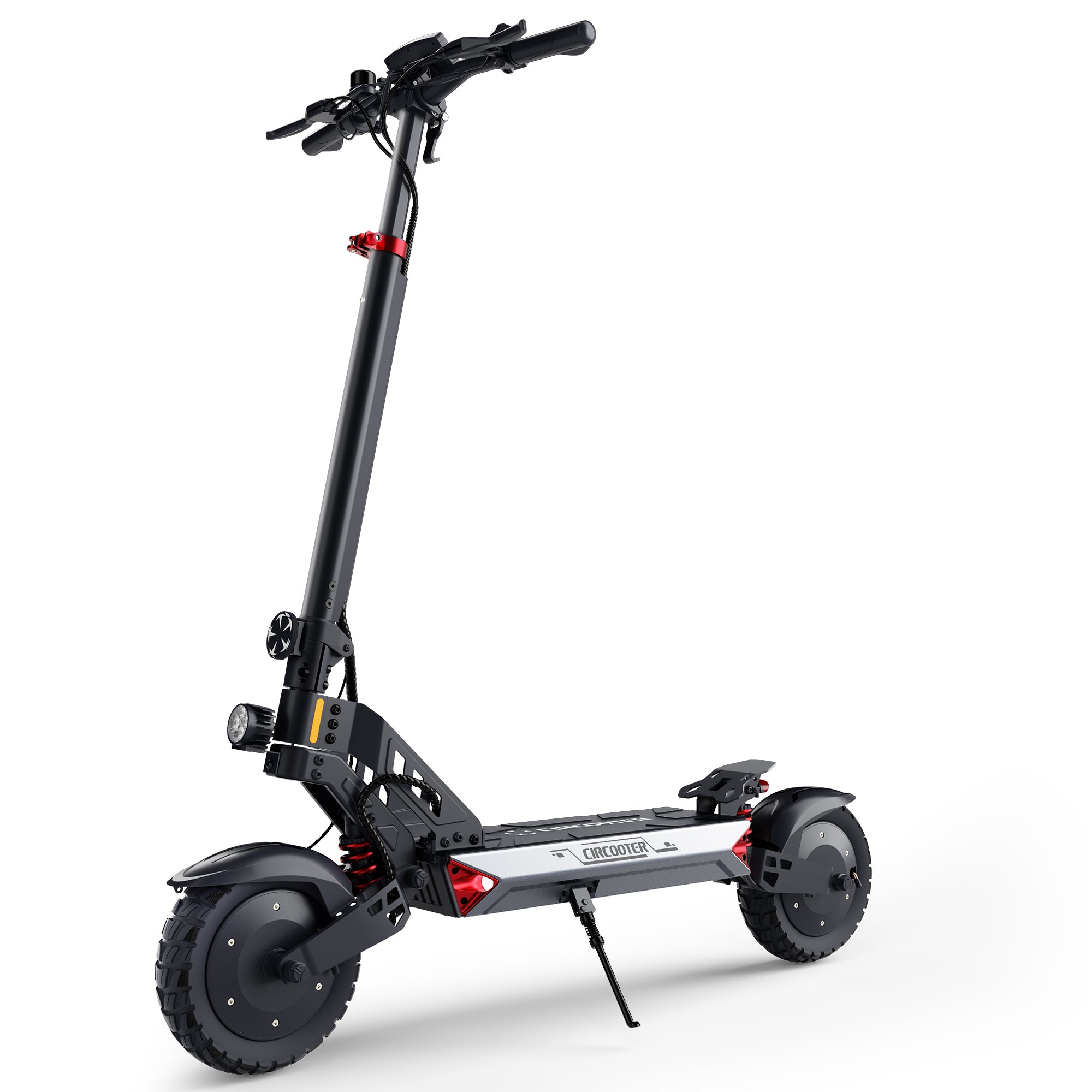
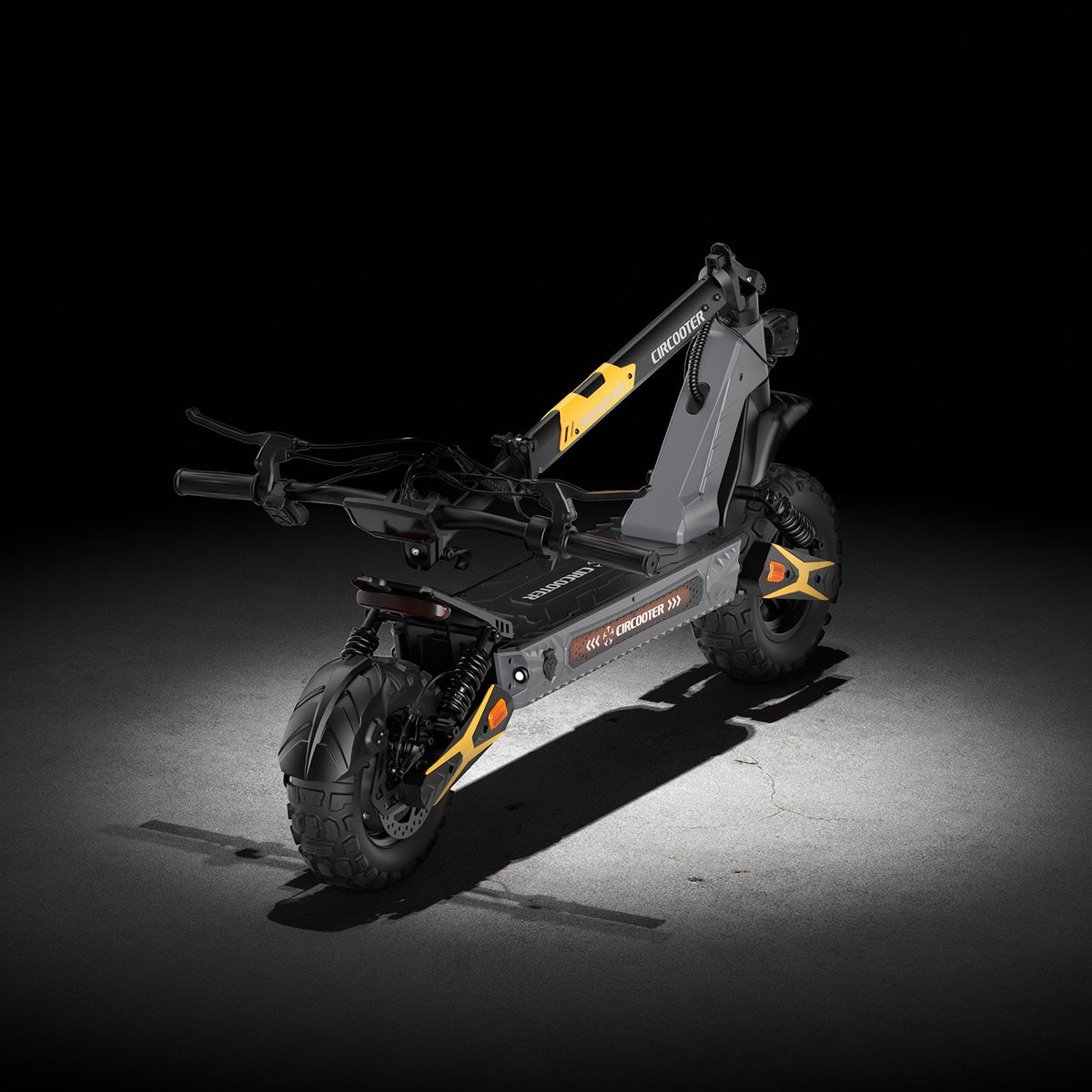
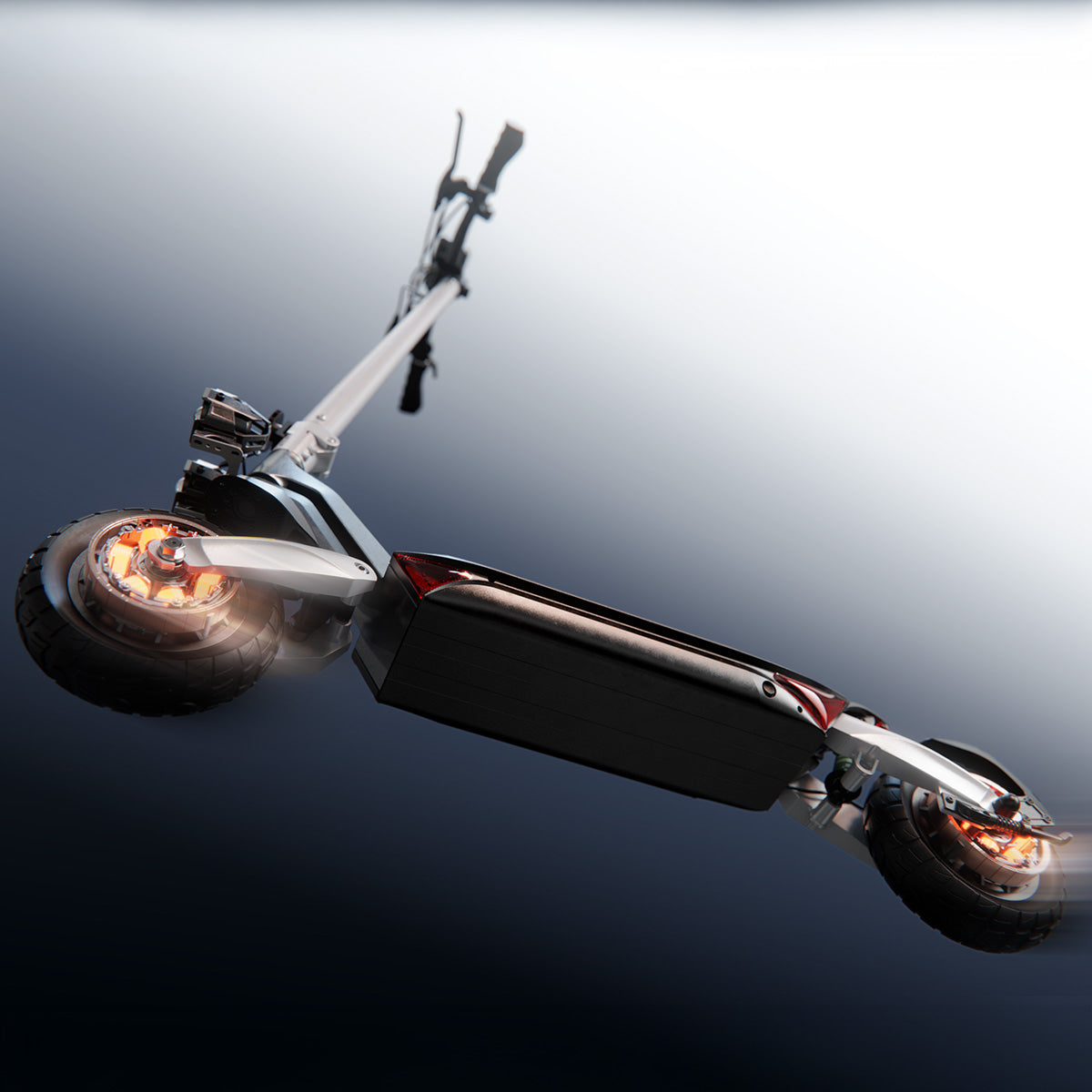
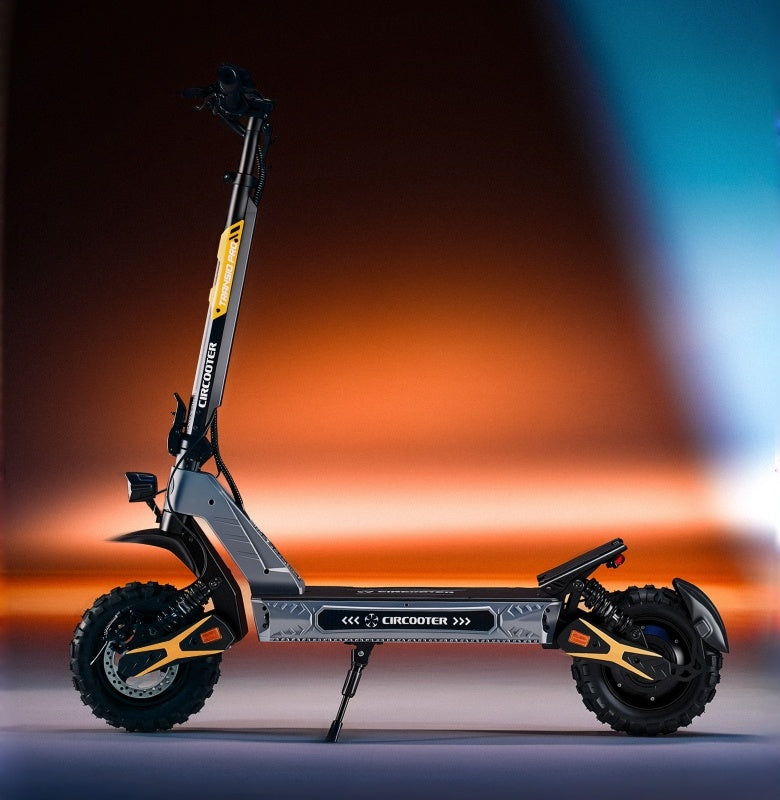
It's also worth understanding coverage. Some riders look into electric scooter insurance once a scooter becomes part of their daily routine, since regular street riding carries different risks than occasional recreational use. And for anyone commuting through areas with rougher pavement or longer distances, models like the Landturbo, Landturbo Pro, orTransio Pro offer different range and stability trade-offs worth comparing against a specific commute's distance and terrain. Anyone weighing options across the current scooter lineup can browse the full collection of electric scooters to compare specs side by side.
A Small Shift With Real Staying Power
Labor Day is a reminder that work, and the way people get to it, keeps evolving. The e-scooter commute isn't a dramatic overhaul of how cities move — it's a smaller, practical shift that fits neatly into the short trips so many workdays are actually made of. Used with a realistic sense of its strengths and limits, commuting by scooter can be a useful piece of a modern, flexible transportation routine, sitting alongside cars, transit, and walking rather than trying to replace them outright.
Quick Questions About E-Scooter Commuting
Is an e-scooter commute practical for everyone?
Not quite. It works best for shorter trips in areas with decent road or bike lane infrastructure, and less well for long distances or harsh weather.
How far can most people expect to travel on a single charge?
Range varies by model and terrain, but many commuters plan for trips in the one-to-five-mile range to stay well within a scooter's battery capacity.
Do I need insurance for a daily e-scooter commute?
It's not legally required everywhere, but riders who commute regularly often look into coverage once a scooter becomes part of their routine.
Can I combine an e-scooter with public transit?
Yes. This is one of the more common uses, covering the first or last mile between a transit stop and a final destination.
What's the biggest factor in whether e-scooter commuting works locally?
Local regulations and road conditions. Rules on speed, sidewalk use, and parking vary by city, so it's worth checking before making it a habit.


Leave a comment
All comments are moderated before being published.
This site is protected by hCaptcha and the hCaptcha Privacy Policy and Terms of Service apply.