

Rethinking the Ride to Work This Labor Day
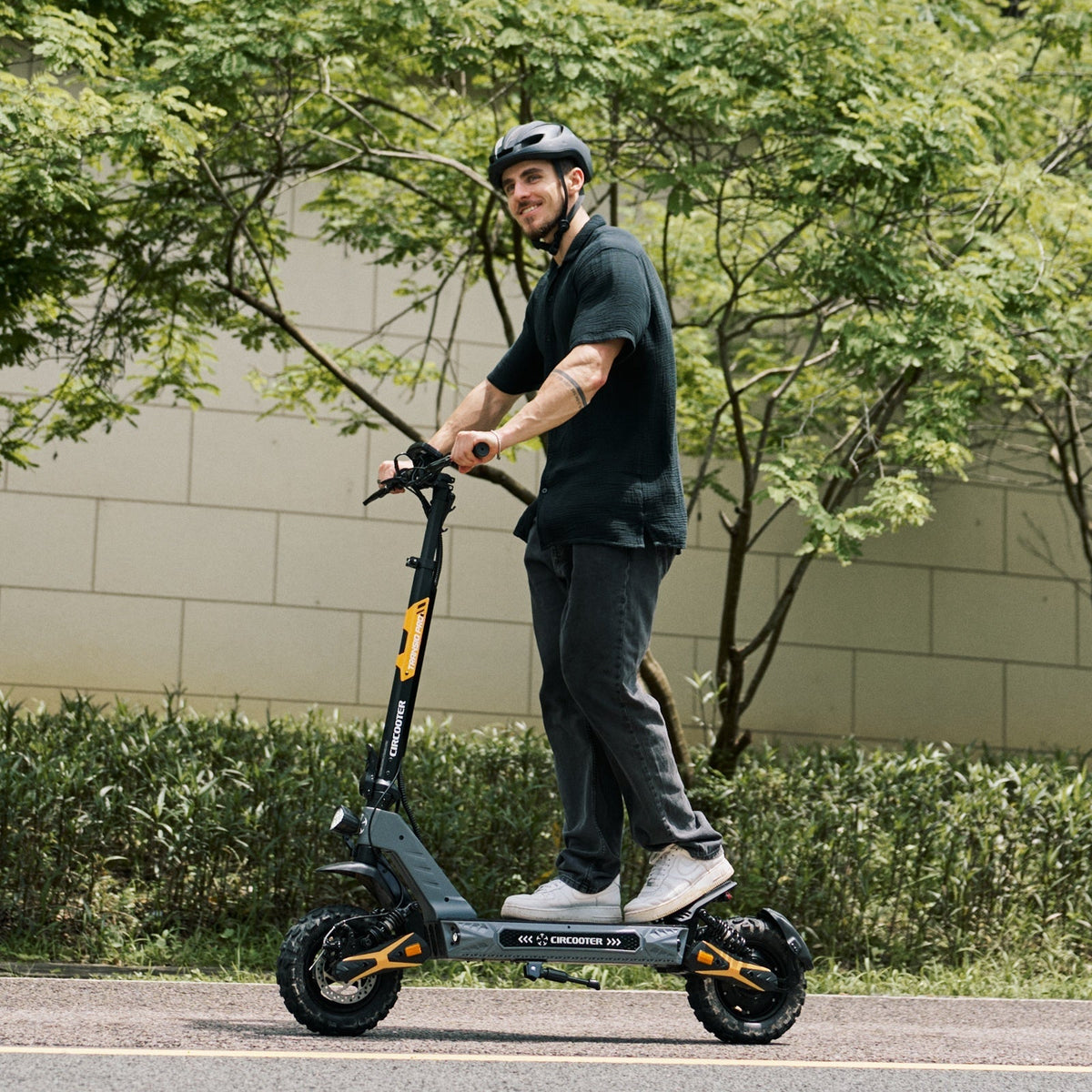
Can an e-scooter actually replace part of your daily commute? For a lot of workers with short, predictable trips, the answer is yes. E-scooter commuting works well for distances under a few miles, especially in cities and suburbs where parking is limited, traffic is unpredictable, and every extra minute in the morning counts.
Labor Day exists to recognize the people who show up every day to do their jobs, and a big part of that daily grind is simply getting there. Whether you're driving, taking transit, or walking, the commute eats into time you could be spending elsewhere. This article isn't about picking a scooter model but about looking honestly at whether commuting by electric scooter fits into your routine, and what to consider if it does.
Why Your Daily Commute Matters
The daily commute shapes more of a worker's day than people usually admit. A stressful drive or a delayed bus can set a bad tone before the workday even starts. Over a year, even a 20-minute daily commute adds up to well over 80 hours spent just getting to and from work.
For many workers, the commute is also a recurring expense — gas, parking, transit fares, or maintenance costs pile up quietly. Looking at how you get to work isn't just about convenience; it's about reclaiming time and money that could go toward things that actually matter to you.
How E-Scooters Can Simplify Commuting
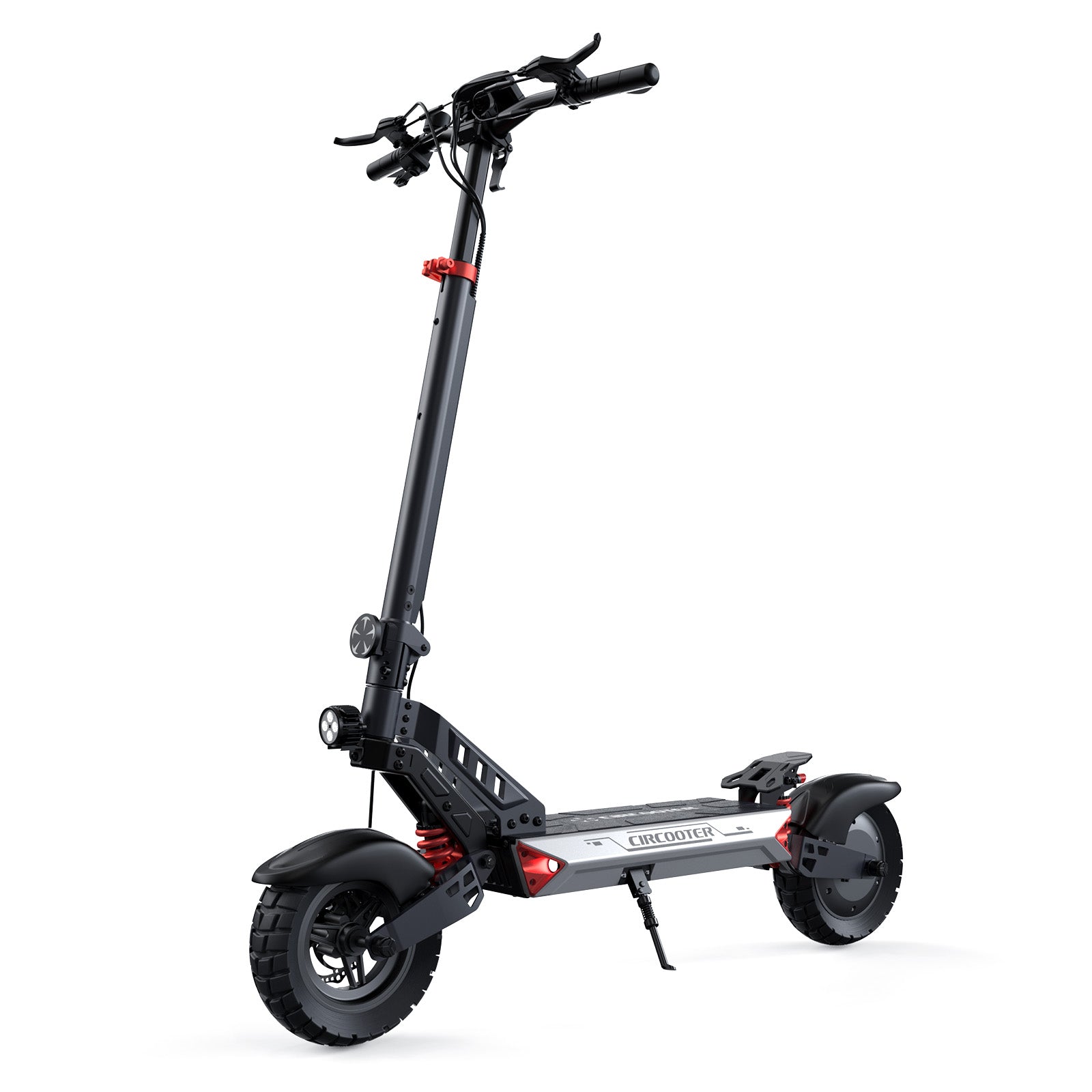
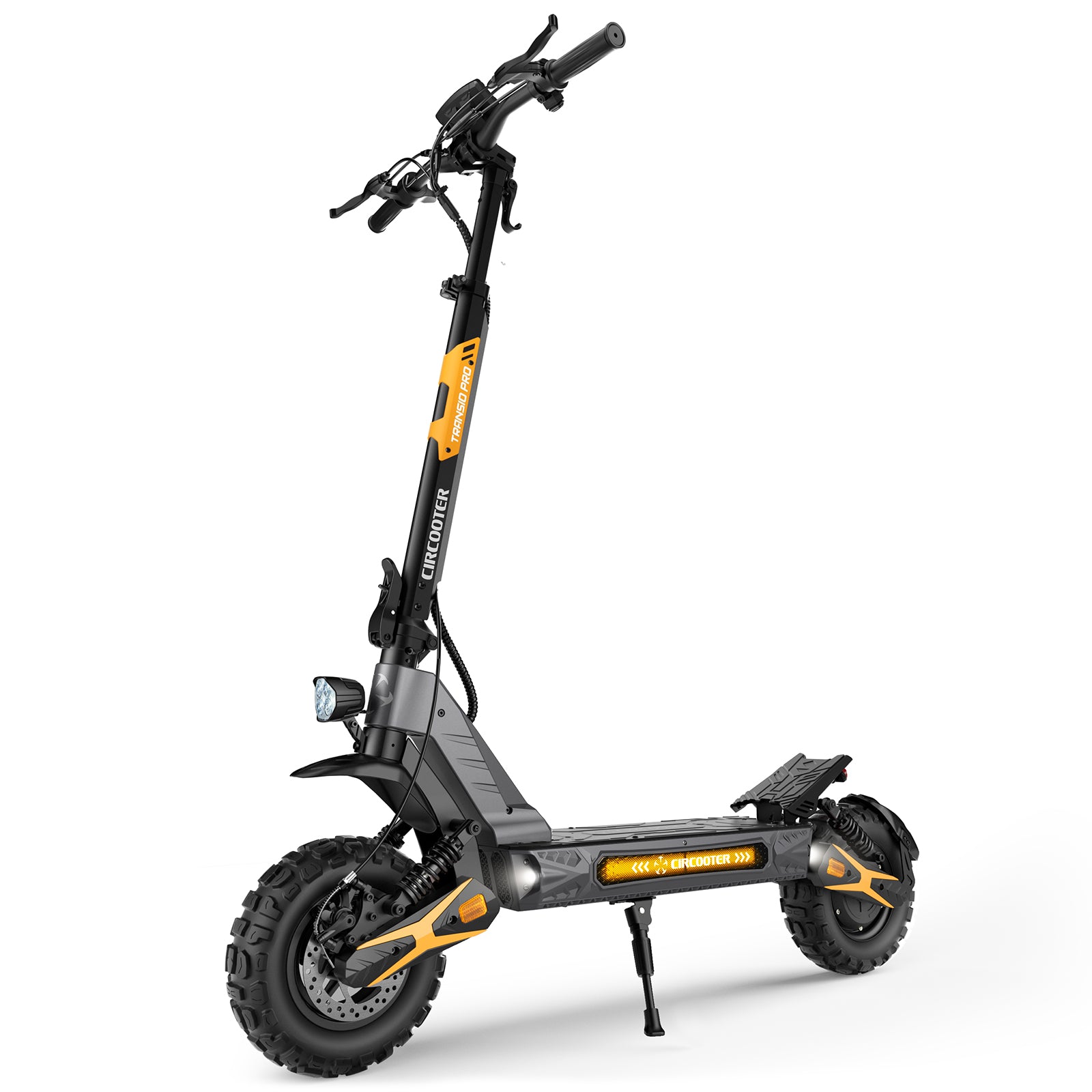
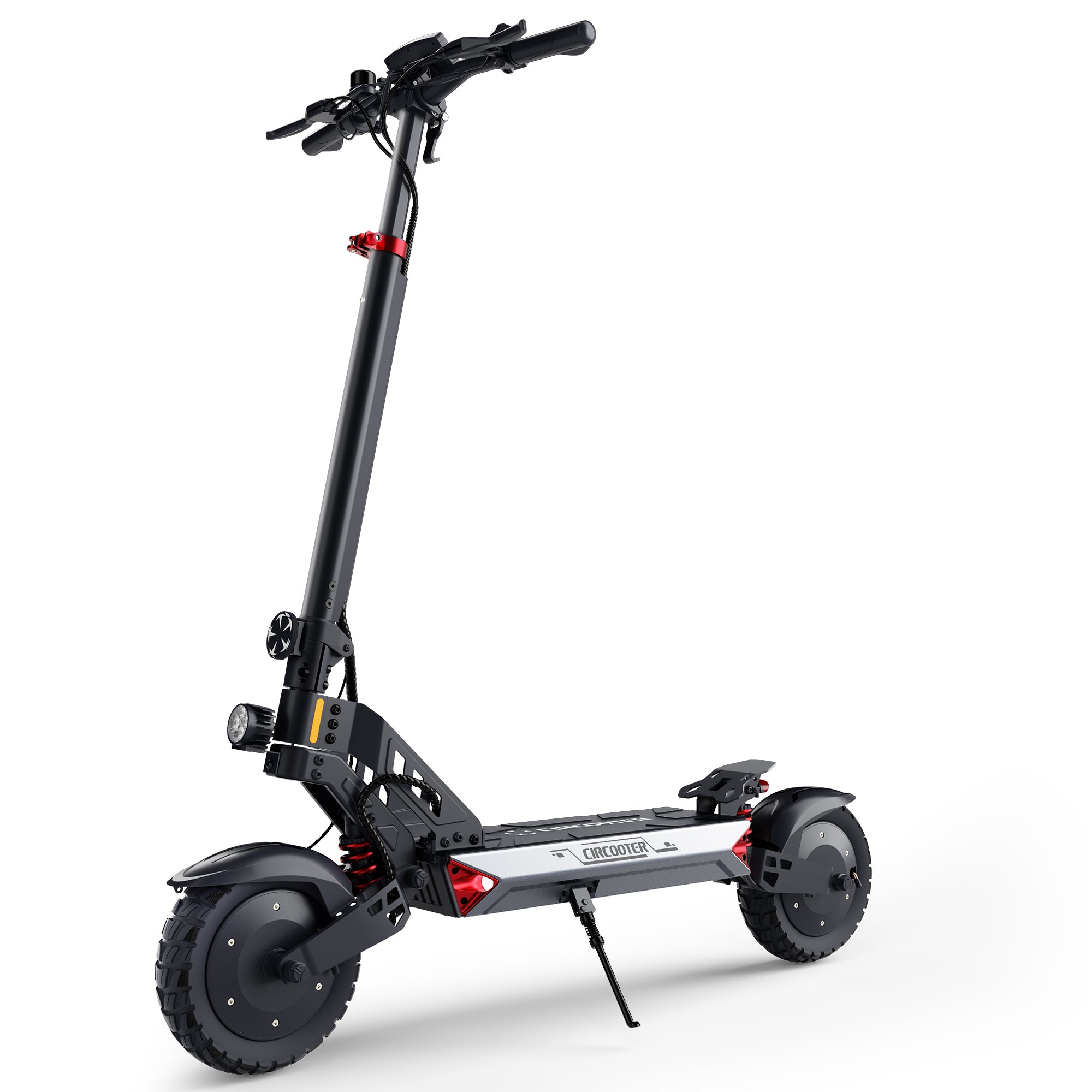
An electric scooter for commuting works best as a tool for short, direct trips, such as under five miles, on paved roads or bike lanes, in areas where you're not fighting steep hills or heavy weather every day. For workers who live close to their job or near a transit stop, an e-scooter for work can shave real time off a trip that would otherwise involve circling for parking or waiting on a delayed bus. Entry-level options like the Landturbo are built for exactly this kind of everyday, short-distance riding.
There's also a simplicity factor. No need to warm up an engine, find a parking spot two blocks away, or deal with fare cards. You unfold it, ride, and lock it up. For workers who split their trip between a scooter and public transit — riding to the station, then folding the scooter and hopping on a train — this kind of electric scooter commute can cut total travel time noticeably.
E-Scooter vs. Driving for Short Trips

For short trips, driving isn't always the faster or cheaper option. City driving involves stop-and-go traffic, circling for parking, and gas costs that don't shrink even for a two-mile trip. An e-scooter skips most of that. There's no parking spot to hunt for, and charging costs a fraction of what a tank of gas does.
That said, driving still wins for longer distances, bad weather, or when you need to carry equipment, tools, or groceries on the way home. Commuting by electric scooter makes the most sense as a replacement for short, low-cargo trips, not as a one-size-fits-all substitute for a car.
What to Consider Before Commuting by E-Scooter
Before switching part of your commute to an e-scooter, it helps to think through a few practical points:
Distance and terrain: Check whether your route has bike lanes, steep hills, or heavy traffic that might make riding uncomfortable. Riders covering longer stretches or hillier commutes sometimes look at higher-torque models like the Landturbo Pro for extra pull.
Local laws: Some cities have specific rules about where e-scooters can legally ride, and speed limits can vary by location.
Weather exposure: Rain, snow, and extreme heat all affect how practical daily riding is.
Storage at both ends: You'll need a safe place to park or store the scooter at home and at work. CIRCOOTER’s guide on electric scooter storage covers a few practical setups for apartments, garages, and office storage.
Insurance and liability: It's worth understanding what protection you actually have. This breakdown of electric scooter insurance walks through coverage options many riders overlook.
How to Build a Reliable E-Scooter Commute
A dependable e-scooter commute doesn't happen by accident — a little routine maintenance goes a long way toward avoiding surprises on a workday morning:
Charge the battery the night before, not the morning of.
Check tire pressure weekly, since low pressure affects range and ride comfort. This tire replacement guide is useful once wear starts showing.
Keep a backup plan (transit, rideshare) for days with bad weather or mechanical issues.
Wear a helmet and reflective gear, especially if part of your ride happens before sunrise or after dark.
Map your route in advance to avoid unexpected road closures or unsafe intersections.
Compared to driving, this kind of upkeep is lighter and cheaper, but it still needs consistency to keep your commute reliable day after day.
Making Your Work Commute More Efficient
Efficiency isn't only about speed, it's about predictability. A shorter, more predictable commute means less stress and more control over your morning. Riders who commit to e-scooter commuting often find that combining it with transit (scooter to the station, train the rest of the way) creates a more flexible daily commute than relying on a single mode of transportation.
If you're curious about the mechanical side of getting more consistent performance out of daily riding, this guide covers a few practical adjustments that can help extend range on regular routes, which matters most for anyone riding the same distance every single day.
Is an E-Scooter Right for Your Daily Commute?
The honest answer depends on your specific situation. If your commute is short, mostly flat, and doesn't require hauling heavy gear, an e-scooter for work can genuinely simplify your routine. Riders who want more range and power for mixed commutes sometimes look at dual-motor options like the Raptor Pro. If you're commuting long distances, dealing with harsh winters, or need to transport equipment daily, it may only work as a partial solution — say, for the "last mile" between a train station and your office.
Rather than an all-or-nothing decision, many workers treat e-scooter commuting as one tool among several, used on the days and routes where it makes the most sense.
A Commute Worth Rethinking This Labor Day
Labor Day is about recognizing the effort workers put in every day, and how you get to work is part of that effort. E-scooter commuting won't fit every job, route, or climate, but for workers with short, predictable trips, it offers a practical way to cut commute time, lower transportation costs, and add a bit more control to the start and end of the workday.
If your commute is under manageable distance, decent weather most of the year, and a safe place to store it, it's worth a closer look this Labor Day season.
Common Questions About E-Scooter Commuting
Is an e-scooter commute realistic for someone who lives more than 5 miles from work?
It can work as a partial solution, such as pairing the scooter with public transit for the remaining distance, but riding the full distance daily may be impractical for most riders.
Do I need a special license to commute by e-scooter?
In most areas, personal e-scooters don't require a special license, but rules vary by city and state, so it's worth checking local regulations before relying on one for daily commuting.
How do I keep my e-scooter secure while at work?
A sturdy lock and a visible or monitored parking area help significantly; some offices also allow scooters to be stored indoors or in secure bike rooms.
What happens to my commute plan if it rains?
Having a backup option, like transit or rideshare, keeps your commute reliable on days when riding isn't practical or safe.
Does commuting by electric scooter actually save money compared to driving?
For short, regular trips, charging costs are typically much lower than gas and parking fees, though the exact savings depend on your specific commute and local rates.


Leave a comment
All comments are moderated before being published.
This site is protected by hCaptcha and the hCaptcha Privacy Policy and Terms of Service apply.