
Built for the Rough Stuff: What Makes the Landturbo Ultra Trail-Ready
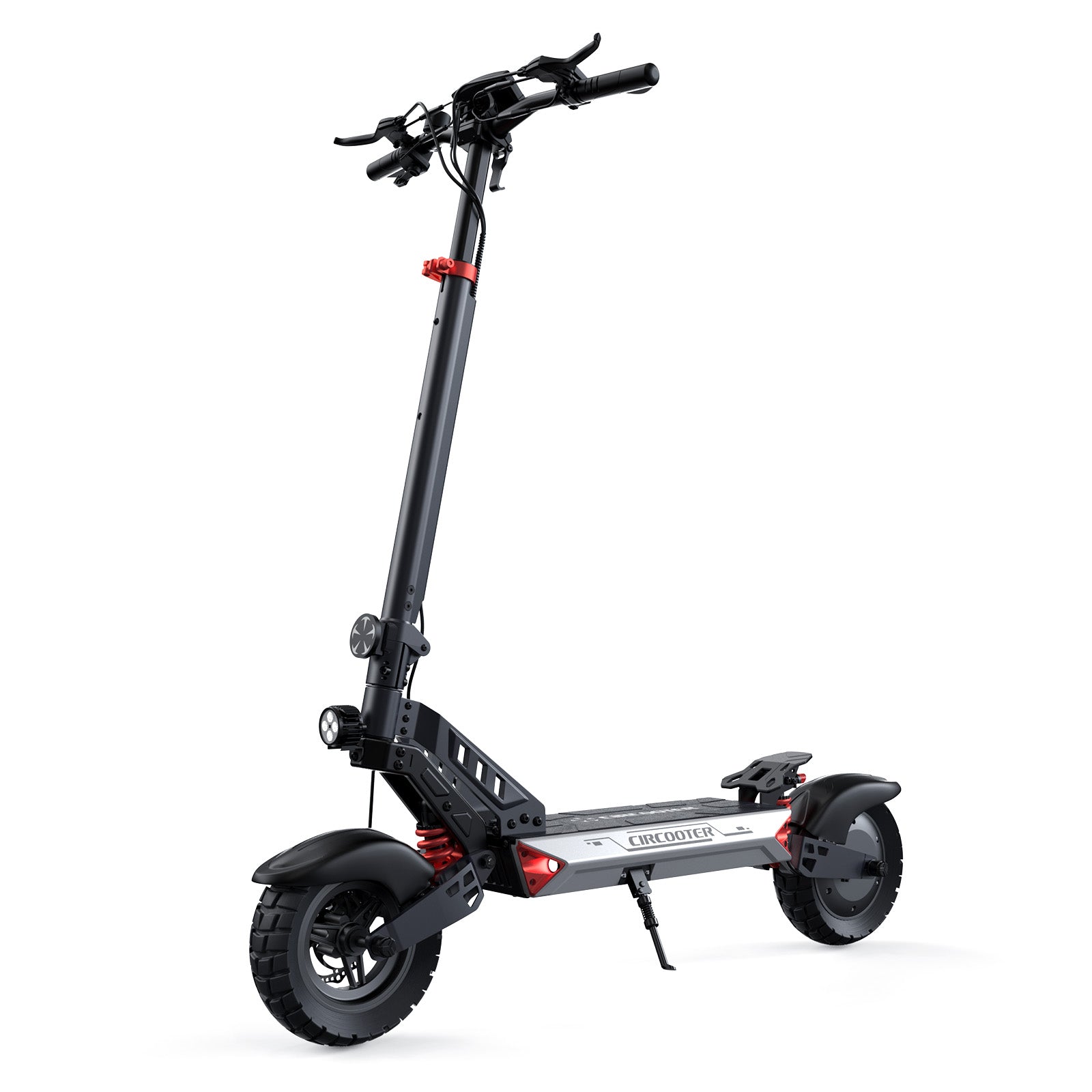
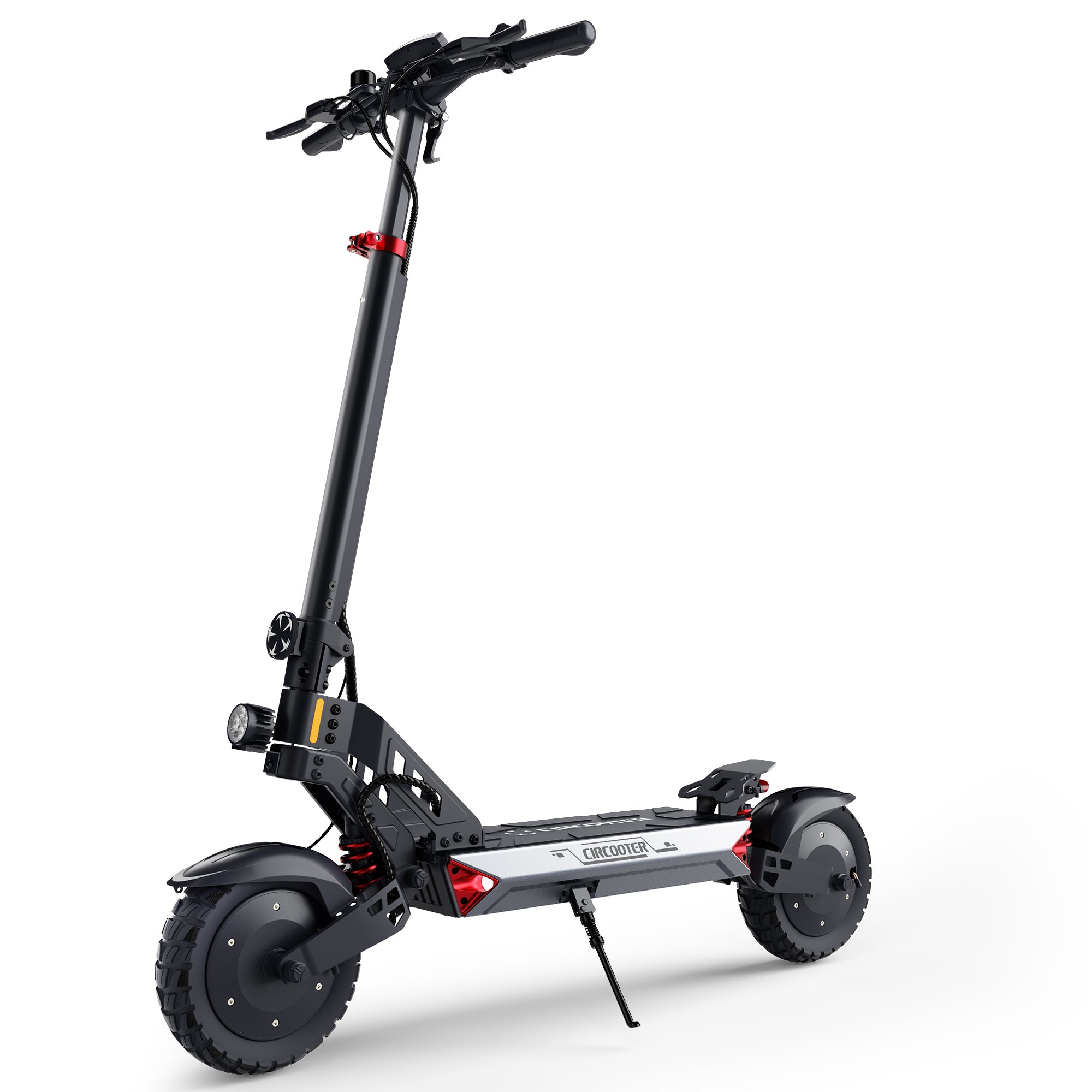
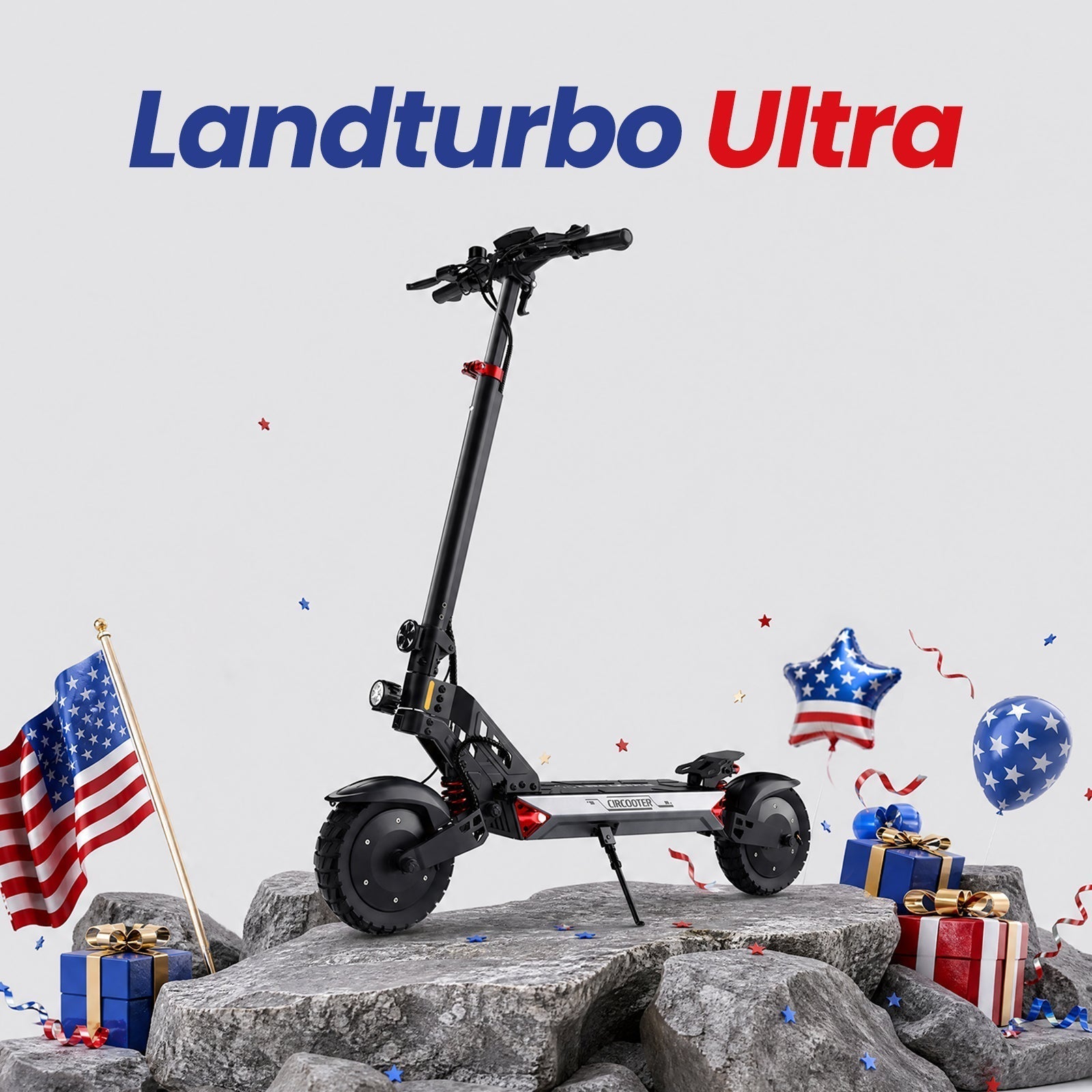
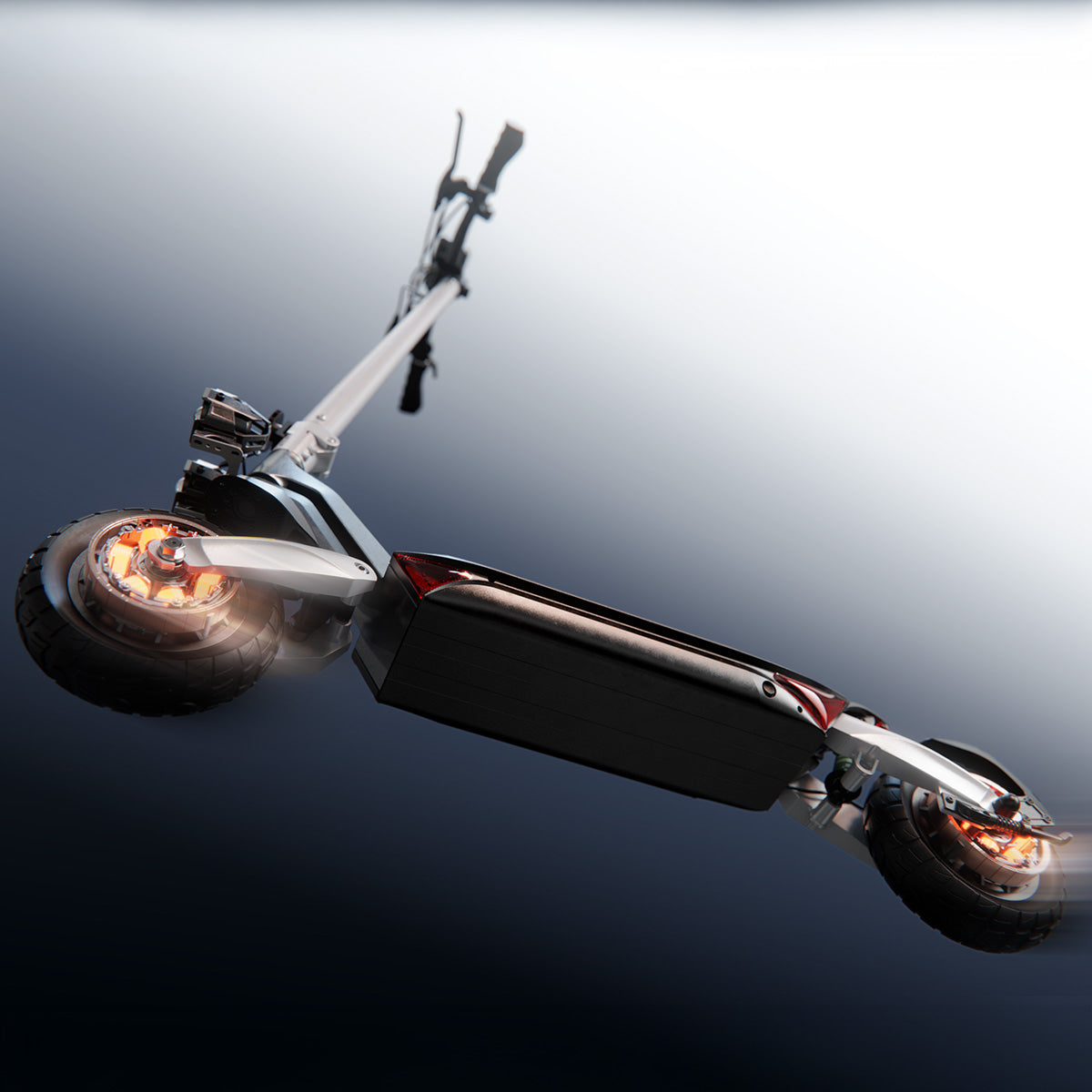
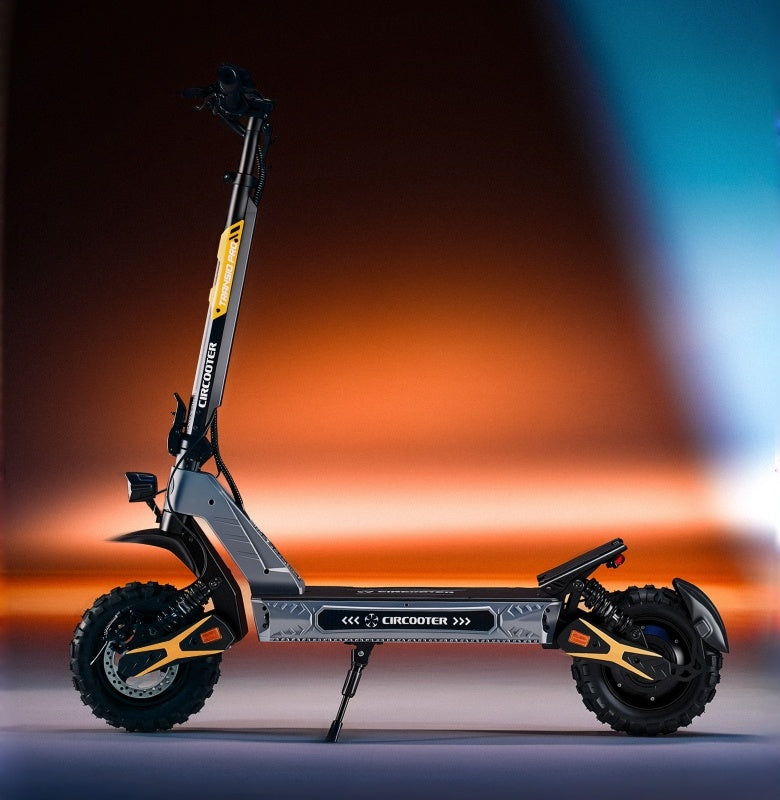
The short answer is that the Landturbo Ultra handles off-road terrain by pairing a 2400W dual-motor setup with 10-inch all-terrain tires and a dual-arm suspension system, giving riders enough torque and traction to climb grades of up to 45% without losing control. That combination is what separates an off-road electric scooter from a scooter that simply says off-road on the box. Riders who split their time between paved commutes and weekend trail runs need a machine that can do both without feeling like two different vehicles, and that's the gap the Landturbo Ultra is built to close.
Below, we'll walk through exactly what happens under the deck when the pavement ends, plus a few off-road riding tips worth knowing before you head out.
Power That Doesn't Back Down on Climbs
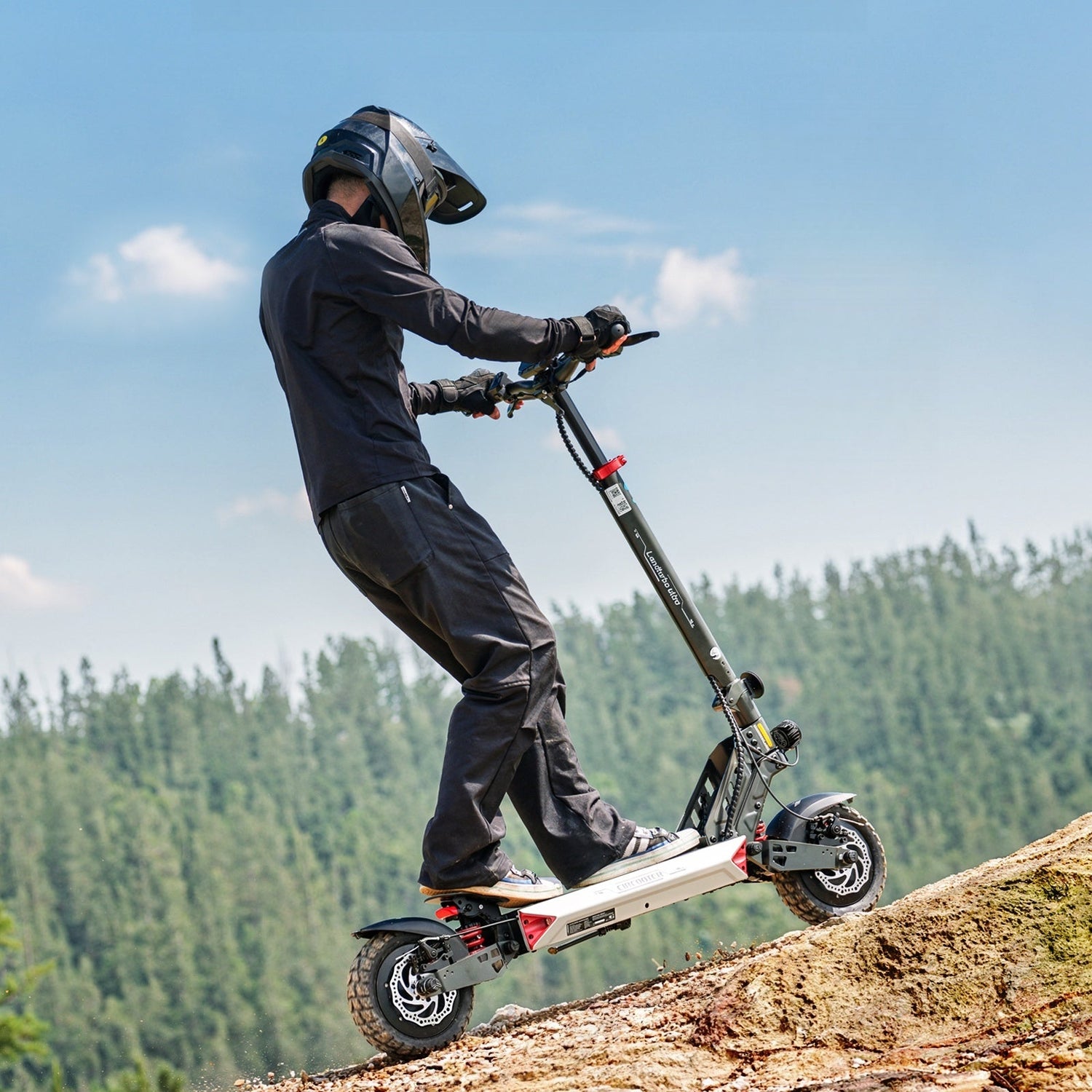
Trail riding is mostly a hill problem. Loose dirt, packed gravel, and root-covered inclines all ask more of a motor than a flat bike path ever will. The Landturbo Ultra runs on a 2400W dual motor system, with both wheels independently driven so traction isn't lost the moment one wheel hits a soft patch. That dual-drive setup is also what lets the scooter climb inclines up to a 45% grade, which covers most fire roads and moderate singletrack, whether that's a canyon trail outside Los Angeles or a gravel stretch through the Blue Ridge Mountains, without the motor straining.
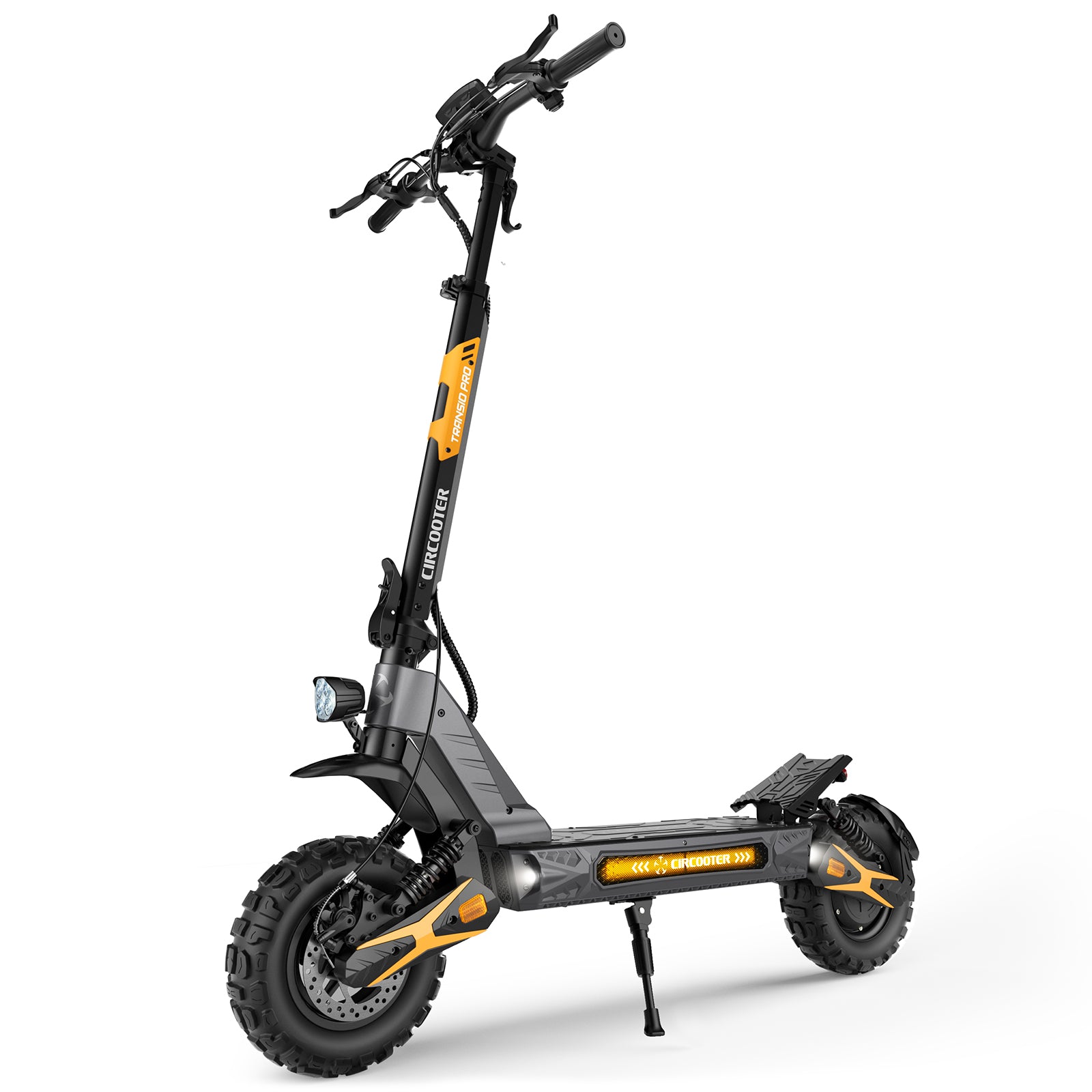
Riders comparing motor configurations across the CIRCOOTER lineup can see how the Ultra's dual-motor system stacks up against the single-motor Landturbo Pro in this model comparison guide, which breaks down wattage, range, and ride feel side by side.
Tires and Suspension Built for Uneven Ground

10-Inch All-Terrain Tires
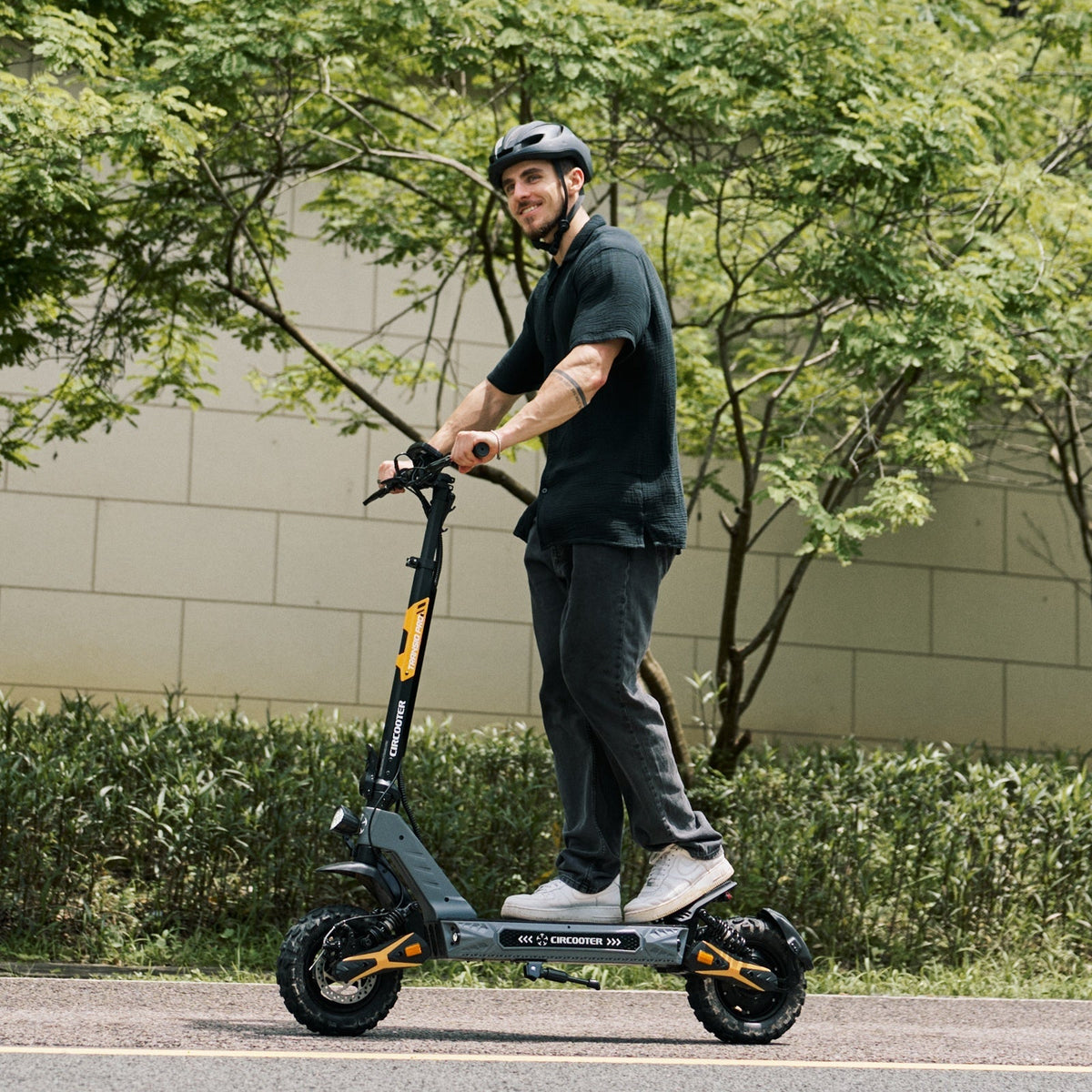
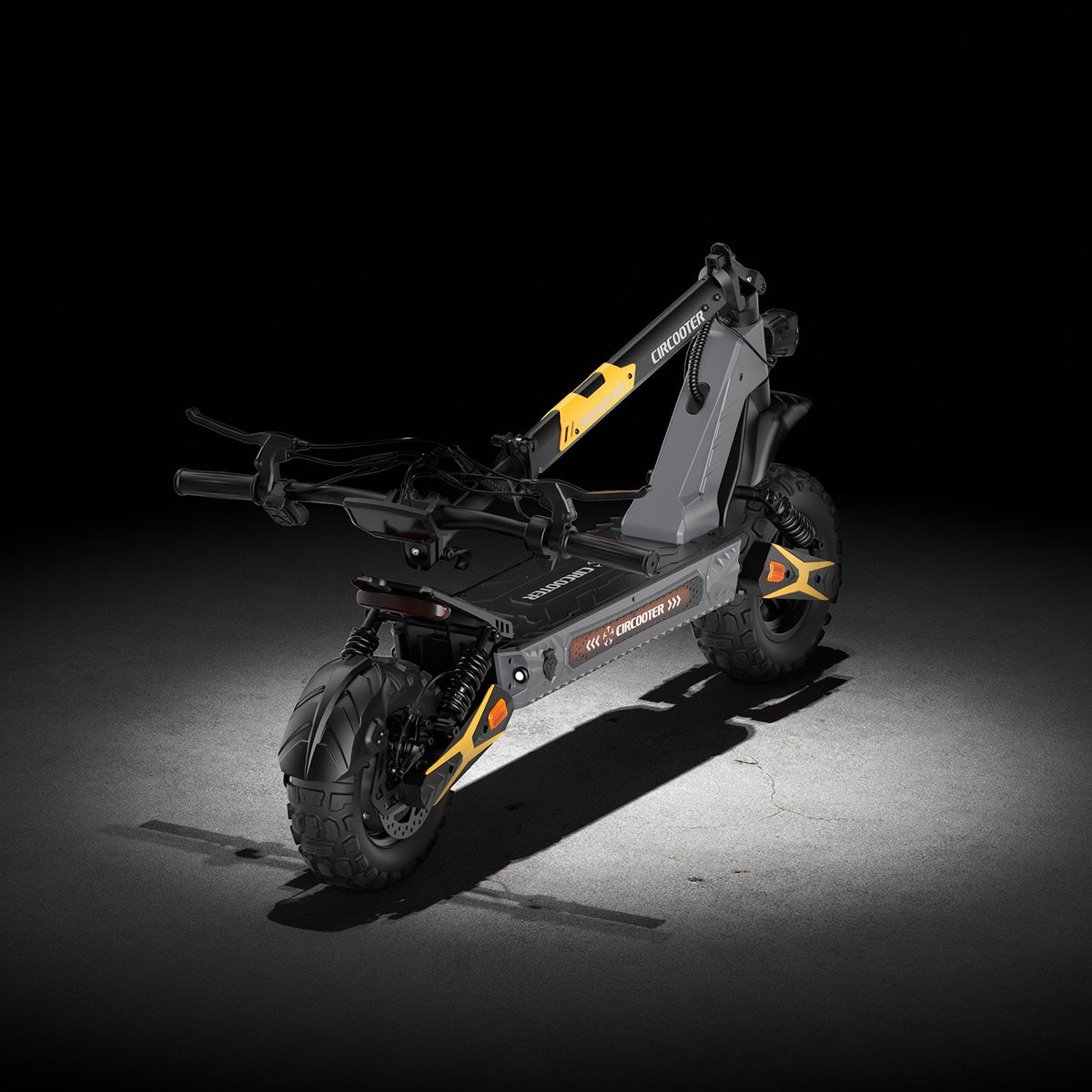
The Landturbo Ultra's 10-inch off-road tires are designed to grip a wider range of surfaces than standard street tires. They hold their line on wet pavement, dig into loose gravel, and roll over the kind of cracked or uneven ground that would rattle a commuter-only scooter. That versatility matters because most riders aren't choosing between city streets and trails; they're doing both in the same ride.
Dual-Arm Suspension System
Underneath the tires, the dual-arm suspension absorbs the shock of rocks, roots, and potholes before it reaches the rider. On a long off-road stretch, that difference shows up as less fatigue in your wrists and knees by the time you turn around. It's the kind of feature that's easy to overlook on a spec sheet but hard to miss the first time you hit a washboard trail without it.
Staying in Control No Matter the Surface
Climbing and gripping are only half the equation; stopping matters just as much, especially on a downhill grade with loose footing. The Landturbo Ultra pairs front and rear dual-disc brakes with an EABS system to reduce skidding, so braking stays predictable whether you're slowing down on wet asphalt or on a dry dirt slope. A water-resistant IPX5 LED display keeps speed, battery, and riding mode visible in rain or shine, which is one less thing to think about mid-ride.
Off-Road Riding Tips to Keep in Mind
A capable scooter still rewards a little preparation. A few habits make off-road rides smoother and safer:
- Check tire pressure before you go. Slightly lower pressure improves grip on loose dirt, while firmer tires hold up better on packed trails.
- Plan your battery buffer. Off-road terrain drains a battery faster than pavement, so it's worth turning around with more charge left than you'd normally keep in reserve. Circooter's route-planning guide walks through how to build that buffer into a ride.
- Scout the surface, not just the trail name. A trail listed as moderate can mean packed dirt or loose sand depending on where you ride, and those surfaces handle very differently.
- Wear a helmet and check local scooter laws. Off-road speed limits and helmet rules vary by state and city, so it's worth a quick check before your first ride on a new trail.
Who Rides the Landturbo Ultra
The Landturbo Ultra tends to suit a specific kind of rider more than a specific kind of trail:
- Commuters who want one scooter for both city streets and weekend trail rides
- Riders who've outgrown a single-motor scooter and want more climbing power
- Anyone riding routes with mixed surfaces, pavement, gravel, and dirt in the same trip
- Trail riders who prioritize range, since the Ultra's battery is built for longer sessions away from a charger
Riders who want even more dual-motor torque for technical trails sometimes compare the Ultra against the Raptor Pro, which takes a similar dual-motor approach with different power and range trade-offs.
Where Pavement Ends, the Ultra Keeps Going
Off-road capability isn't one feature; it's the motor, the tires, the suspension, and the brakes all working together, and that's where the Landturbo Ultra earns its name. Whether the plan is a weekend fire road or a daily commute that occasionally detours onto gravel, it's built to handle the terrain without asking the rider to slow down and think about it.
What Riders Want to Know
Is the Landturbo Ultra good for beginners?
Yes, but new riders should start in a lower speed mode until they're comfortable with how the dual motors respond on loose surfaces.
Can it handle sand or mud?
It can manage light sand and mud, though very soft or deep surfaces will slow any scooter down regardless of tire type.
How steep of a hill can it climb?
The Landturbo Ultra is rated to climb grades up to 45%, which covers most trail inclines riders will encounter.
Does off-road riding affect the battery range?
Yes, rougher terrain and steeper climbs use more battery than flat pavement, so it's smart to plan routes with extra charge in reserve.
Is it street-legal for daily commuting too?
Yes, the Landturbo Ultra is built to handle city streets as easily as trails, making it usable for both commuting and weekend off-road rides.



Leave a comment
All comments are moderated before being published.
This site is protected by hCaptcha and the hCaptcha Privacy Policy and Terms of Service apply.