
Can a Scooter Really Be Fast and Comfortable at the Same Time?
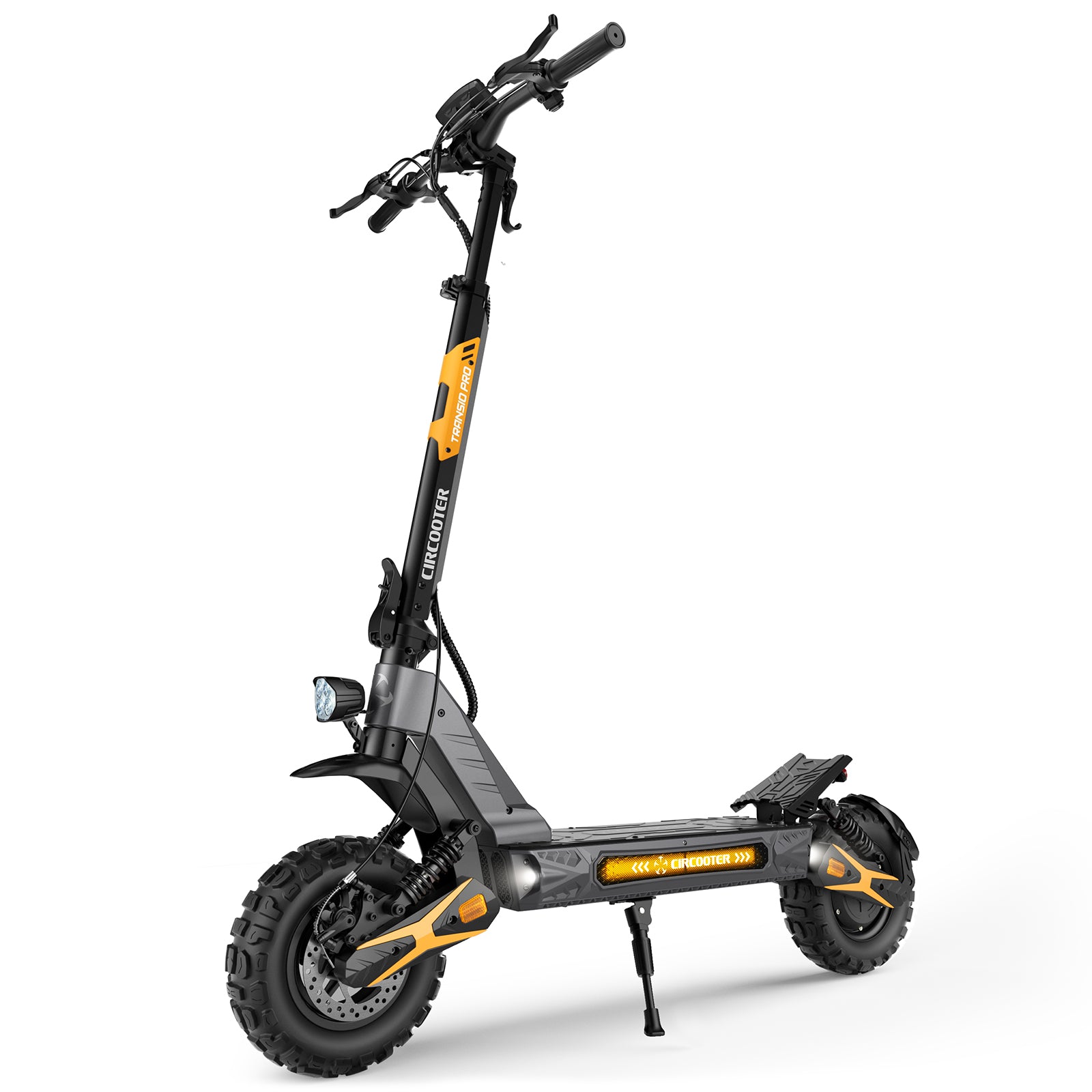
Yes, it can, and the answer comes down to how power and suspension work together. A powerful electric scooter with a strong motor but no suspension gets you places fast, but every crack, root, and pothole rattles straight up through the deck. A scooter with soft suspension but a weak motor feels smooth at low speed but struggles on hills or with a rider on board. The real trick is pairing enough motor power with suspension that can actually manage that power, so the ride stays controlled instead of harsh or sluggish. That balance is what separates a genuinely comfortable scooter ride from one that just looks good on a spec sheet. That's something that scooters like the Transio Pro Off-Road Electric Scooter are designed to prioritize.
Why Power Alone Doesn't Make a Good Ride

It's easy to assume more wattage automatically means a better scooter. A 1200W electric scooter can accelerate quicker and climb hills that a 500W or 700W model would struggle with. But power without support underneath it just means hitting bumps harder and faster.
Think of a car with a strong engine but bad shocks. It gets up to speed quickly, but every dip in the road becomes uncomfortable, and at higher speeds it can even feel unstable, since the wheels bounce instead of gripping the surface. Scooters work the same way: as motor output goes up, the demands on the suspension, tires, and frame go up with it. So the more useful question isn't just how strong the motor is, but what the scooter is doing with that power once it reaches the wheels.
How Dual-Arm Suspension Changes the Equation
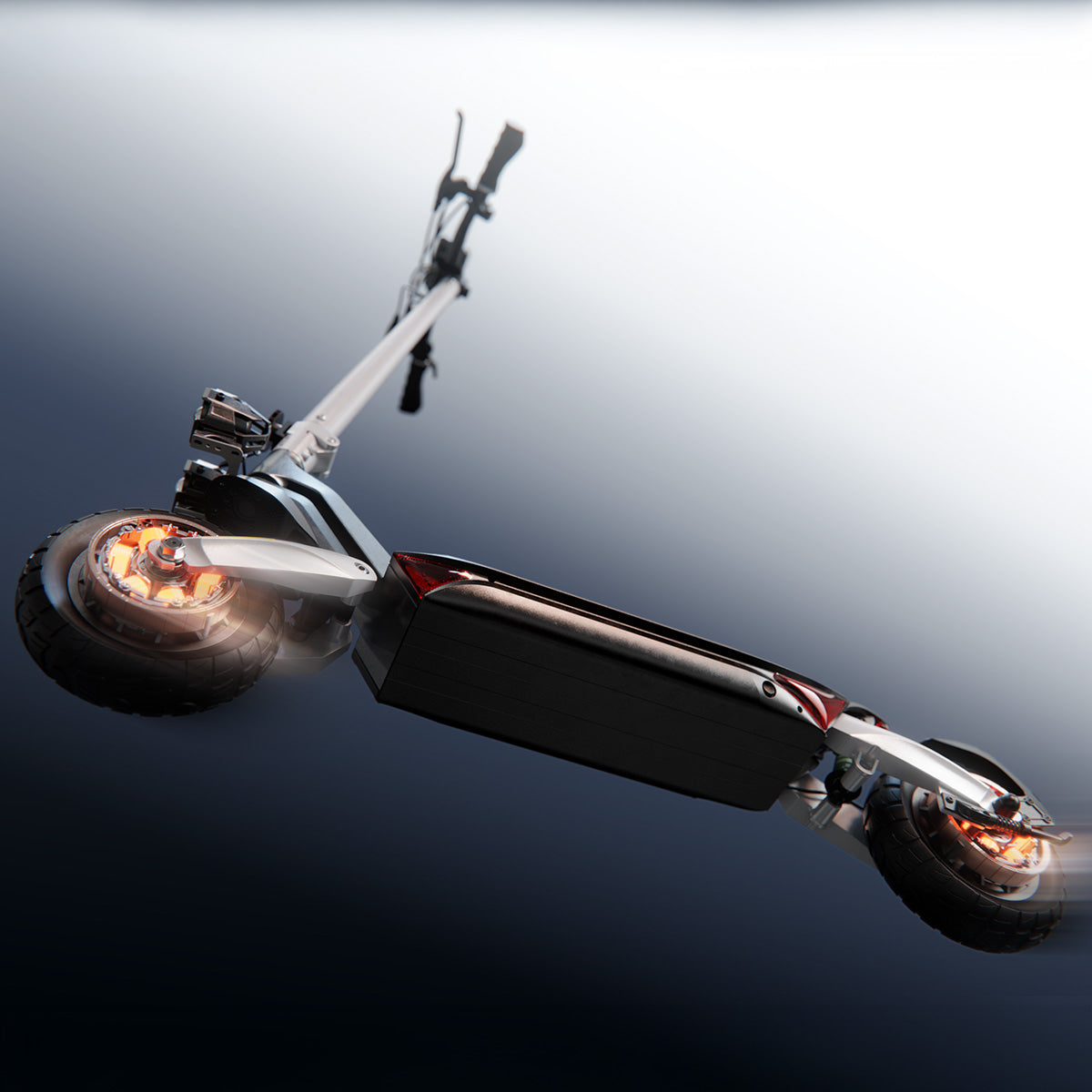
Suspension is what turns raw power into a rideable experience. On a suspension electric scooter, the front and rear arms absorb shock before it reaches the deck, so the rider's knees, wrists, and back aren't taking the hit instead.
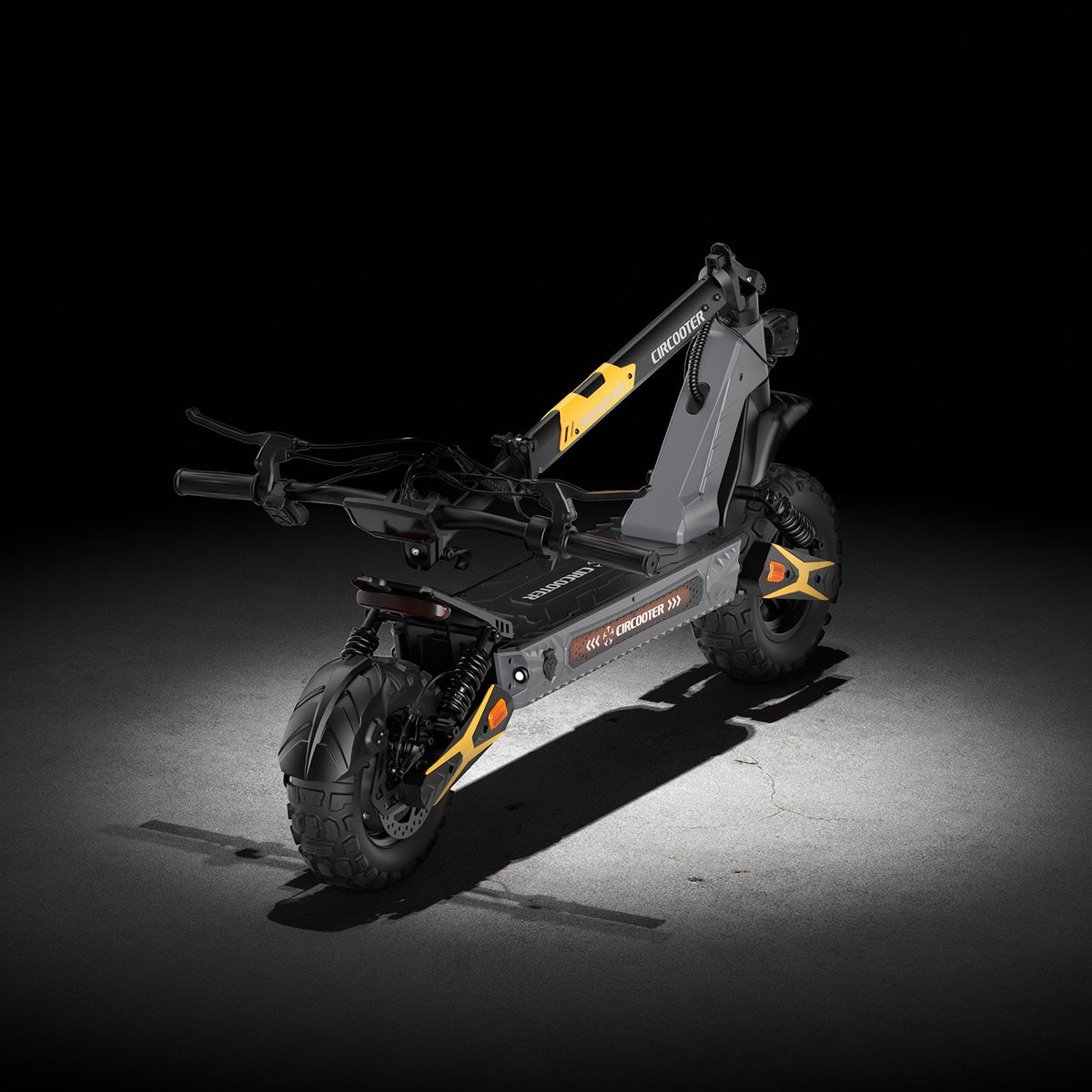
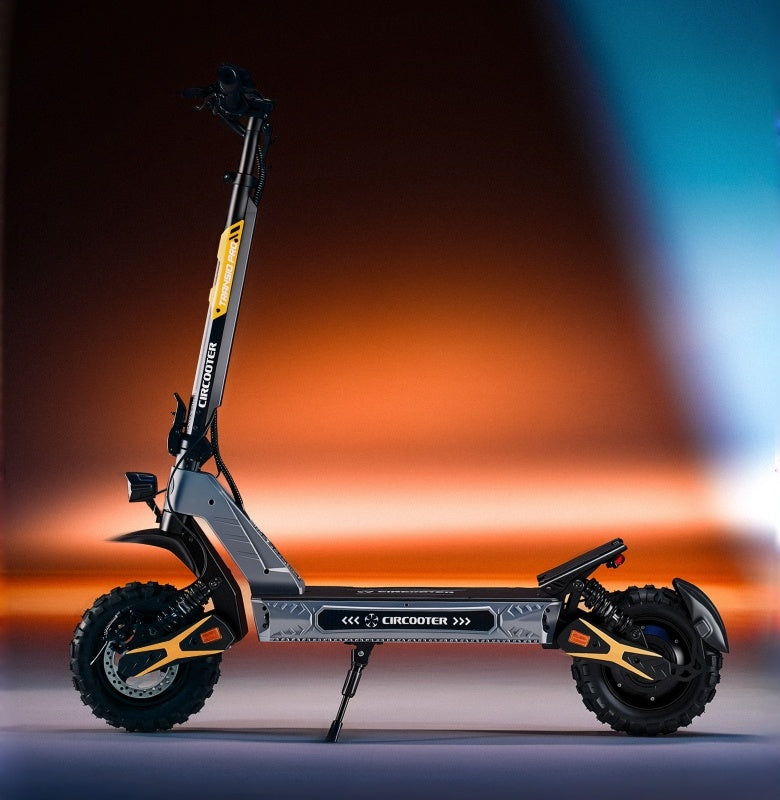
A dual-arm setup, where each wheel has its own spring-loaded arm rather than a single shared shock, tends to respond better to uneven terrain because each wheel can move independently. If the front wheel hits a rock, the rear wheel isn't forced to react the same way. That independent movement is a big part of what makes a comfortable scooter ride possible even when the terrain isn't perfectly flat.
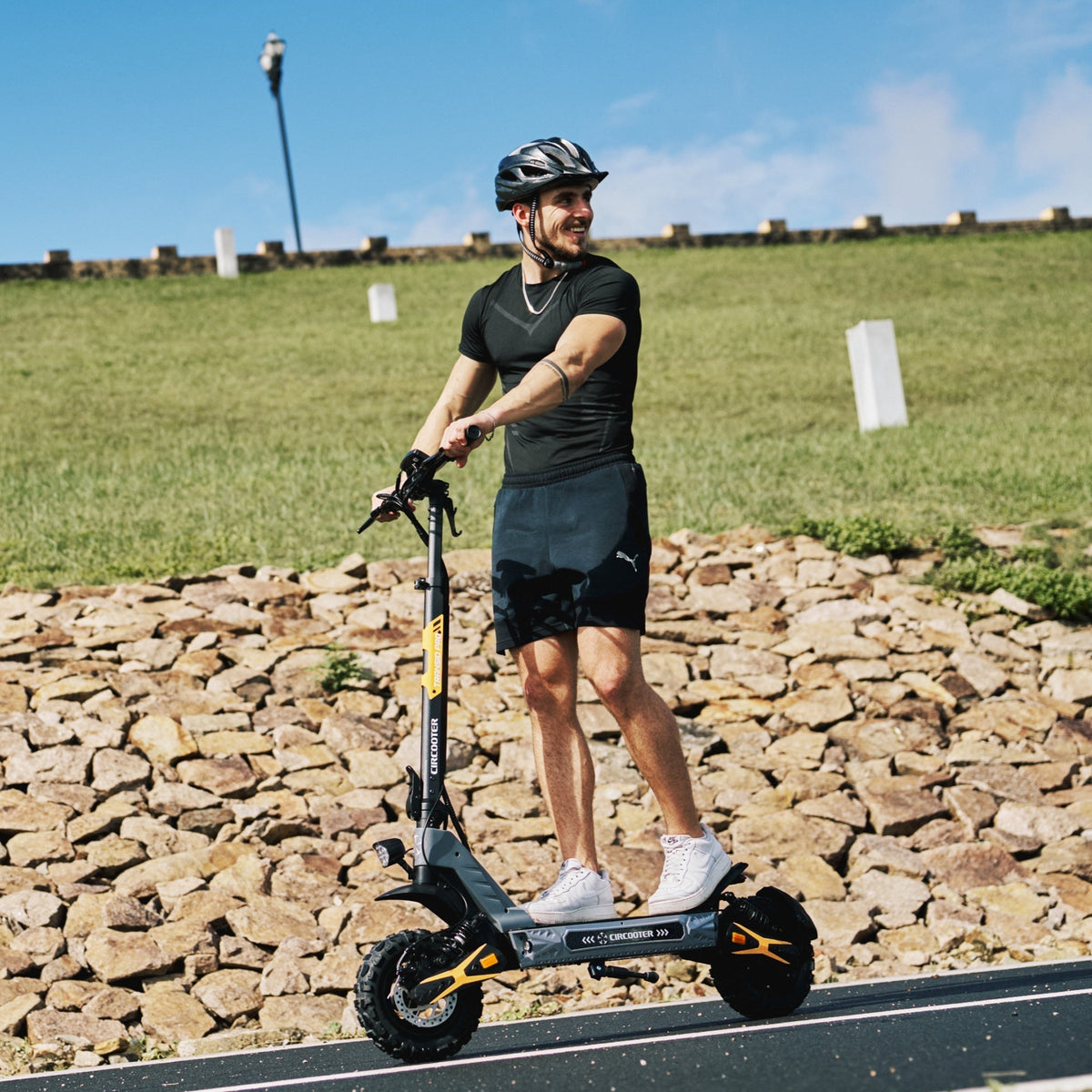
Riders who commute over tree root damage, cracked pavement, or gravel shortcuts tend to notice this the most. It's less about the scooter feeling "soft" and more about it staying stable and predictable, ride after ride.
What Riders Actually Feel: Power and Comfort Working Together
When motor power and suspension are matched well, riders feel it almost immediately:
-
Acceleration feels controlled rather than jerky, since suspension absorbs the initial surge of torque
-
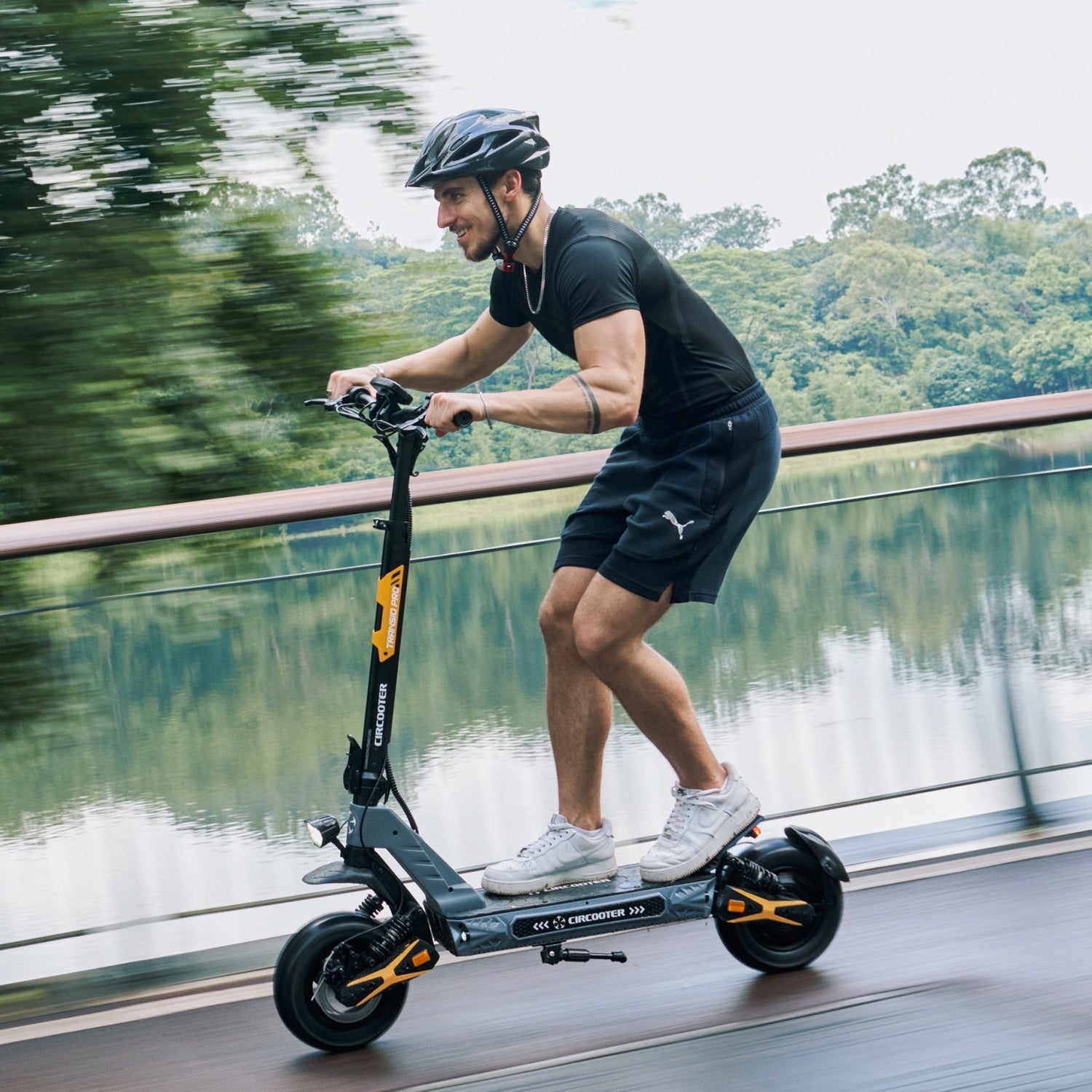
Bumps and cracks are felt less sharply, reducing fatigue on longer rides
-
Braking feels more stable, since tires stay in contact with the ground instead of skipping
-
Turning at speed feels more planted, since the wheels aren't bouncing independently
-
Longer rides feel less tiring on the wrists, knees, and lower back
This is also where range starts to matter. A long-range electric scooter is only useful if the ride stays comfortable enough that a rider wants to stay on it for the full distance. A scooter that travels far but shakes the rider apart after ten miles isn't solving the real problem: getting somewhere without arriving exhausted.
Where the Transio Pro Fits Into This
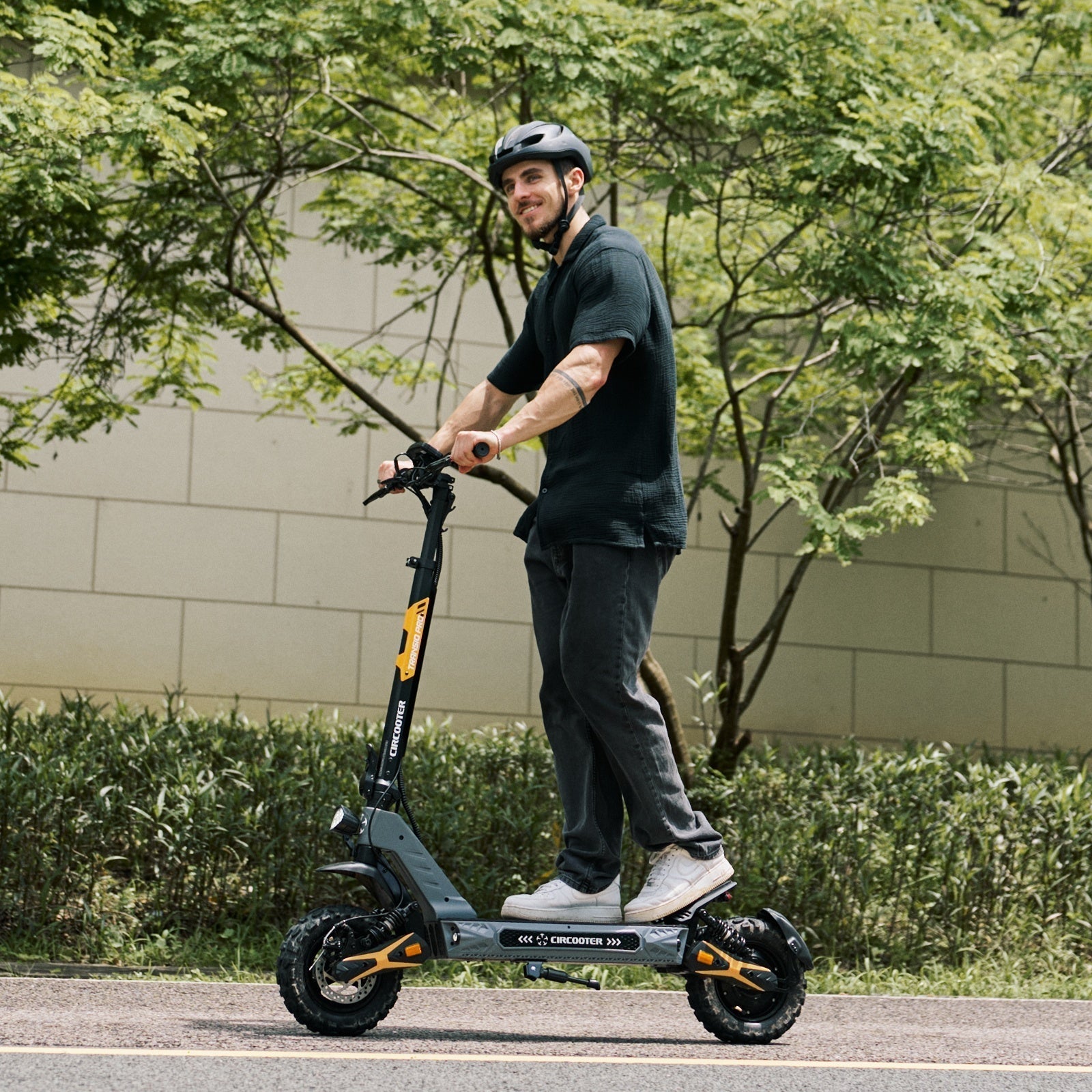
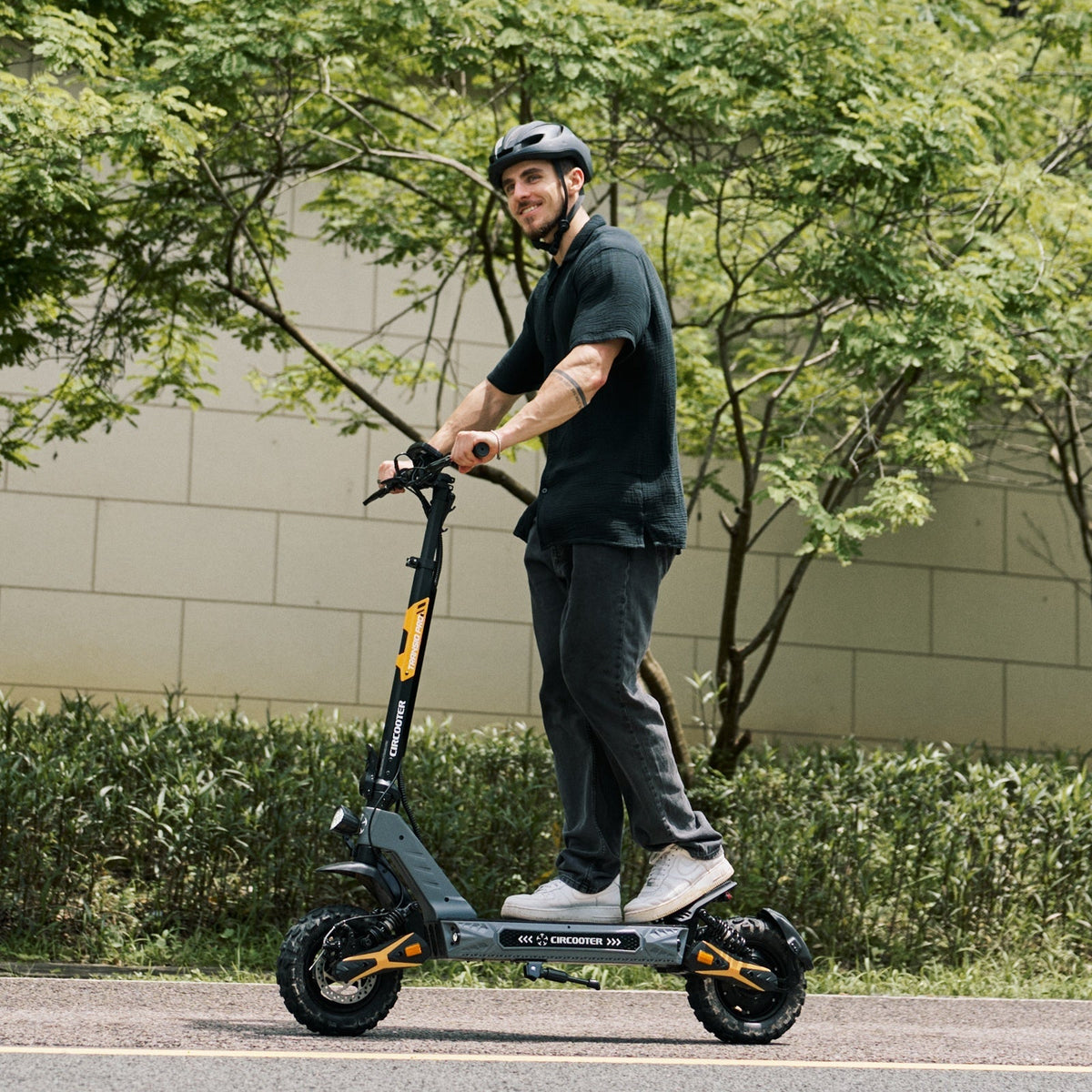
The Transio Pro is a good example of this balance in practice. It runs a 1200W motor, putting it solidly in the category of a powerful electric scooter capable of handling hills and rider weight without straining. Paired with that motor is a dual-arm suspension system, built to manage the extra torque instead of just passing it along to the rider.
The battery behind it also supports longer trips, which matters more once the ride is comfortable enough to actually use that range. Riders planning longer routes tend to care about this pairing specifically, since neither power nor comfort alone solves the whole problem.
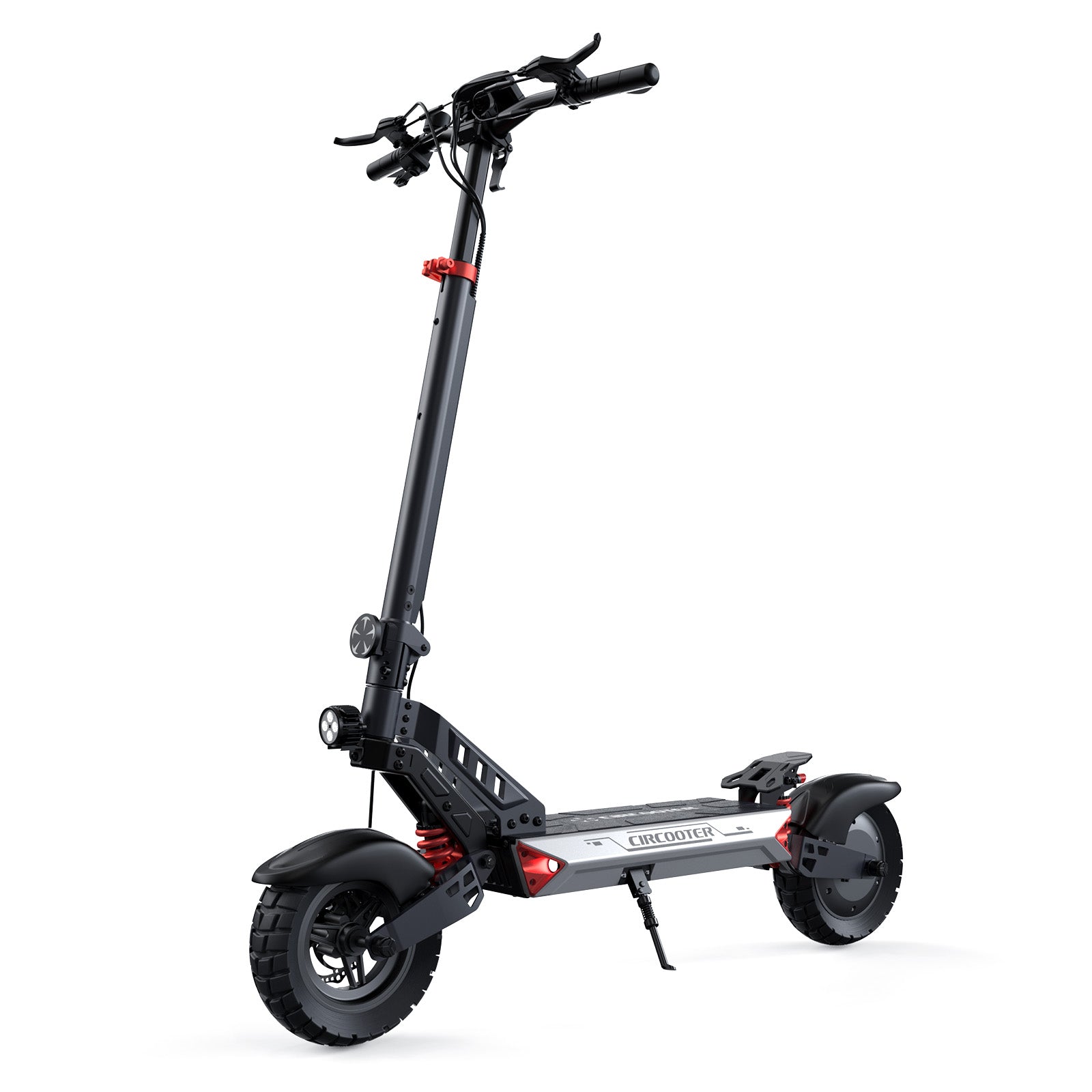
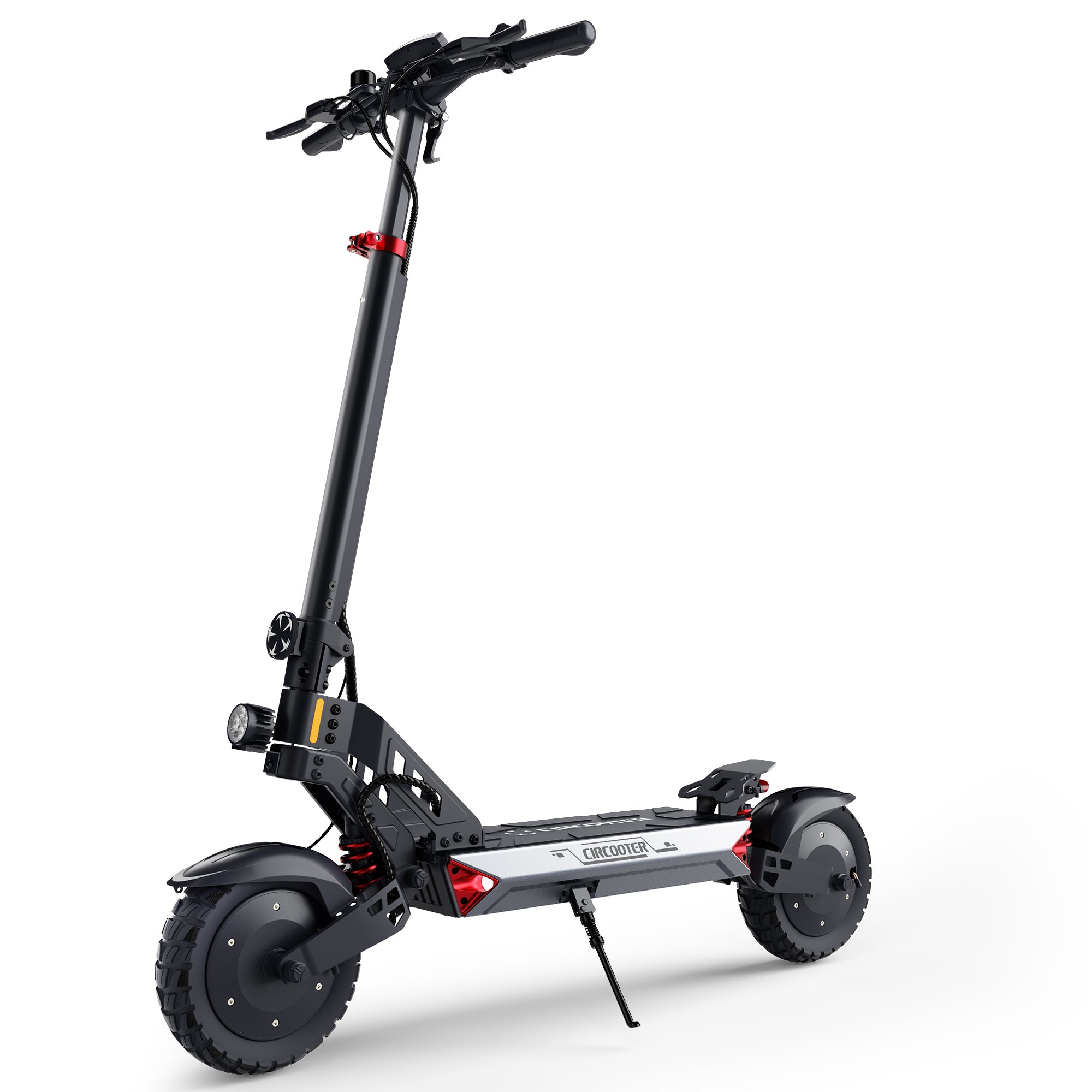
It also helps to see how other CIRCOOTER models approach this balance differently. The Landturbo Pro leans into higher motor output for adventure-style riding, while the Landturbo Ultra uses dual motors for extra stability on rough terrain, similar to what's covered in this look at how the Landturbo Ultra handles off-road terrain. Comparing these builds makes it easier to see how power and suspension choices shift with the kind of riding someone plans to do.
Getting the Balance Right for Your Own Riding

Not every rider needs the same combination of power and cushioning. Someone riding flat sidewalks for short errands has different needs than someone commuting over cracked pavement daily. A few points are worth keeping in mind:
-
Higher wattage matters more for hills, extra rider weight, or quicker acceleration
-
Suspension matters more if your routes include cracks, roots, gravel, or uneven pavement
-
Battery range is only as useful as the comfort that lets you actually ride that distance
-
Tire type also plays a role, since pneumatic tires absorb some shock on their own
Matching these factors to your actual routes, rather than chasing the highest number on a spec sheet, tends to lead to a better long-term experience.
The Takeaway: Power Needs a Partner
A powerful motor and a comfortable ride aren't opposing goals; they're two parts of the same system. Motor power gets you moving and up hills, while suspension keeps that power from turning into a rough, tiring ride. When a scooter like the Transio Pro pairs a 1200W motor with dual-arm suspension, the goal isn't just higher numbers on paper, it's making sure that power is actually usable, ride after ride, on the terrain people really commute over.
What Riders Want to Know
Does a more powerful motor always mean a rougher ride?
Not necessarily. A stronger motor can feel rougher if the suspension isn't built to match it, but when the two are designed together, extra power doesn't have to cost comfort.
What does dual-arm suspension do differently?
It lets the front and rear wheels react independently to bumps instead of sharing one shock, which keeps the ride more stable on uneven surfaces.
Is a 1200W motor enough for hilly commutes?
For most riders, a 1200W motor provides enough torque to climb typical hills without straining, especially paired with suspension that keeps the tires gripping the road.
Does suspension affect how far a scooter can travel on one charge?
Not directly, but a more comfortable ride often means riders actually use the scooter's full range instead of cutting trips short due to fatigue.
What should I prioritize if comfort matters more than top speed?
Look at suspension type, tire type, and deck size first, then treat motor wattage as a secondary factor for hill-climbing and acceleration.


Leave a comment
All comments are moderated before being published.
This site is protected by hCaptcha and the hCaptcha Privacy Policy and Terms of Service apply.