
Featured in this post
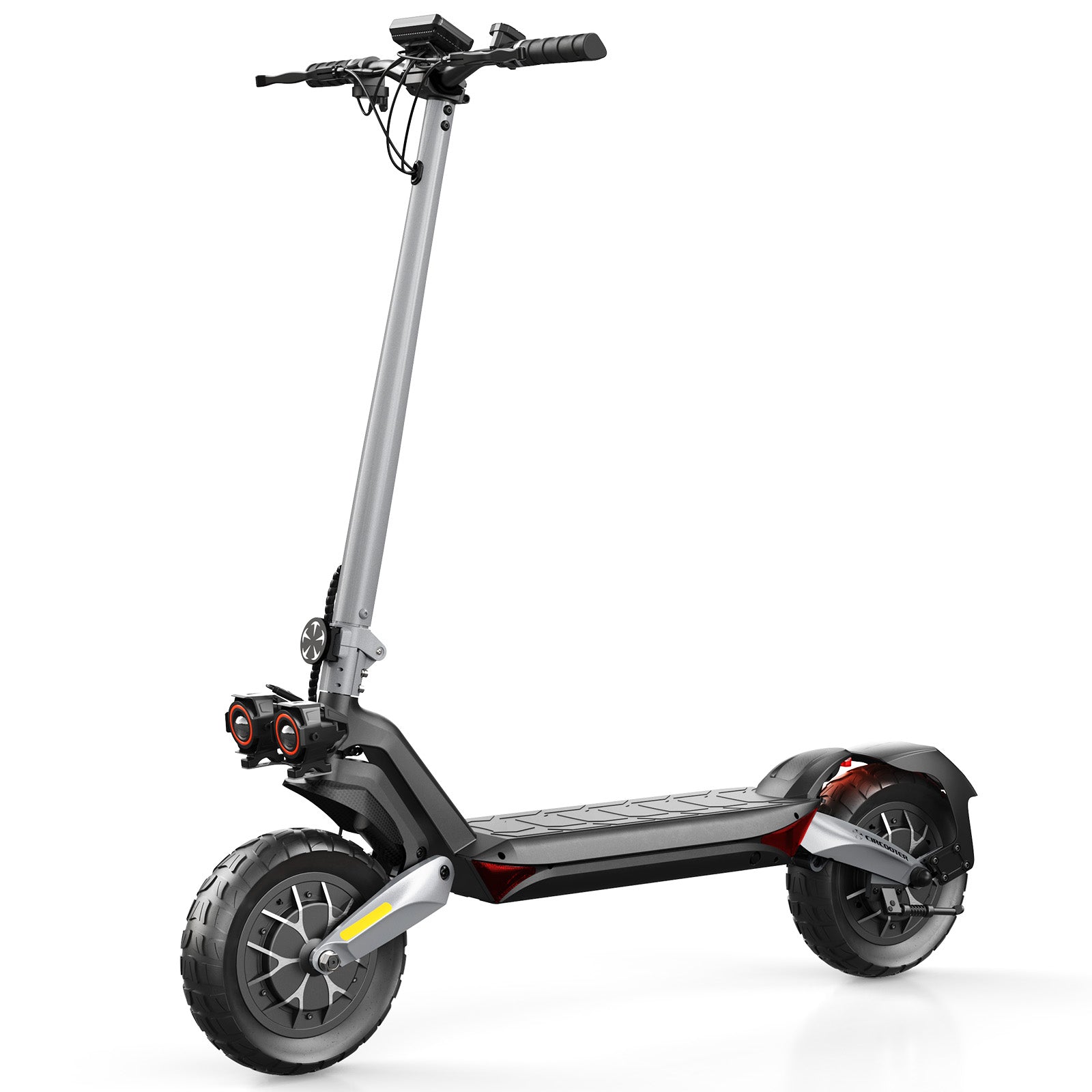
28 MPH
56 Miles
800W*2
960Wh
How to Choose an Electric Scooter for Snow Riding
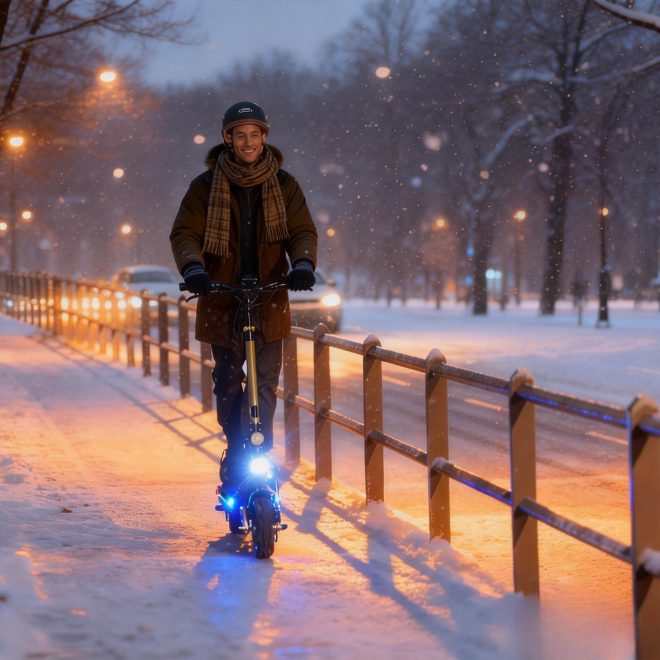
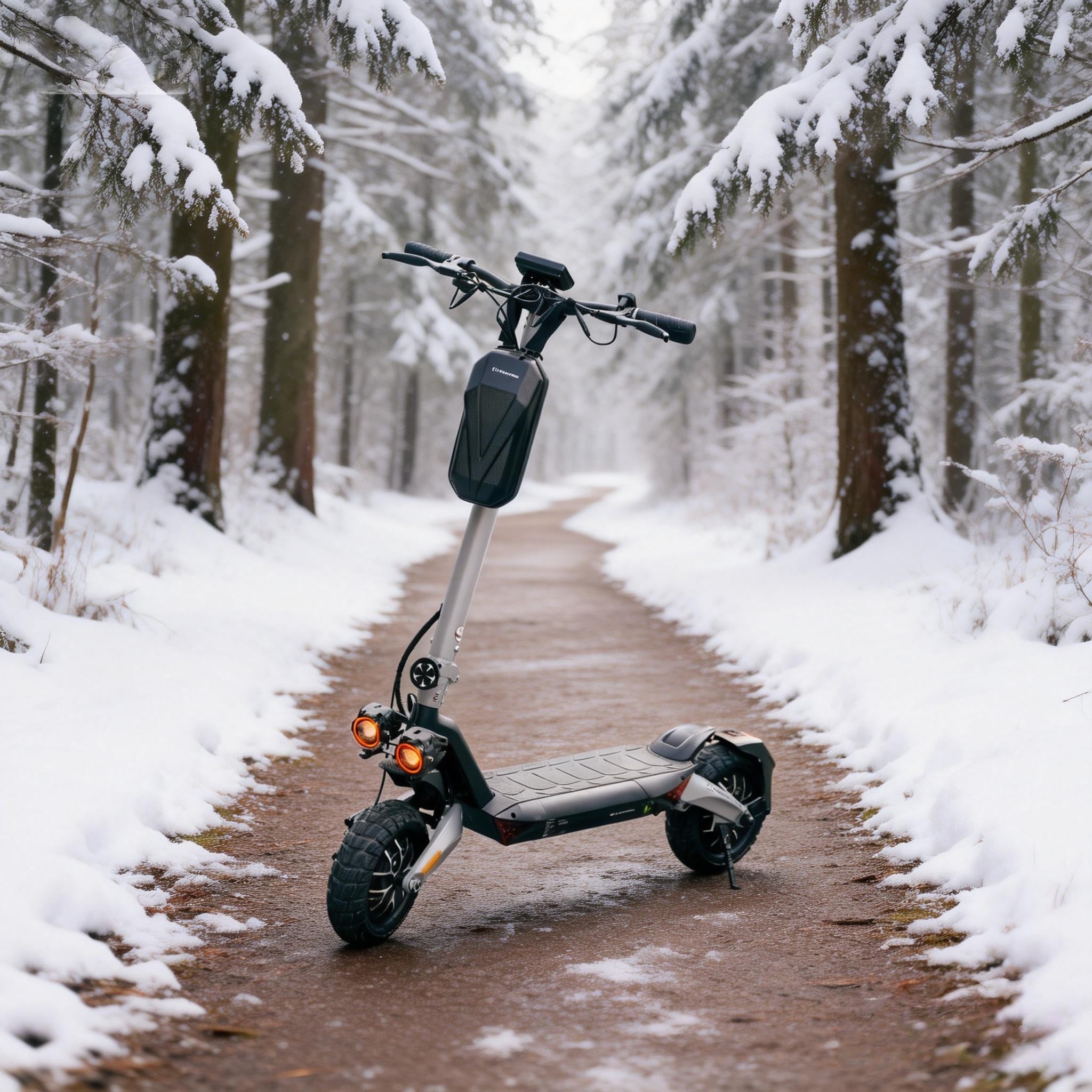
Snow and winter riding conditions place much higher demands on an electric scooter than normal city commuting. Reduced traction, uneven surfaces, and hidden obstacles under snow all require a scooter designed for stability and control.
If you plan to ride during winter, choosing the right e-scooter is not just about power—it's about traction, structure, and real-world usability. Below are two key factors that make a real difference when riding in snow.
1. Large Off-Road Tires: Traction Starts with Tire Size
Tires are the most critical component for snow riding.
Many commuter escooters use smaller, road-focused tires. While efficient on dry pavement, these tires can wear more quickly and struggle to maintain grip on snow, slush, or wet winter roads. Limited contact area often leads to reduced traction and less predictable braking.
Circooter Escooters are designed with large off-road tires built for challenging conditions:
-
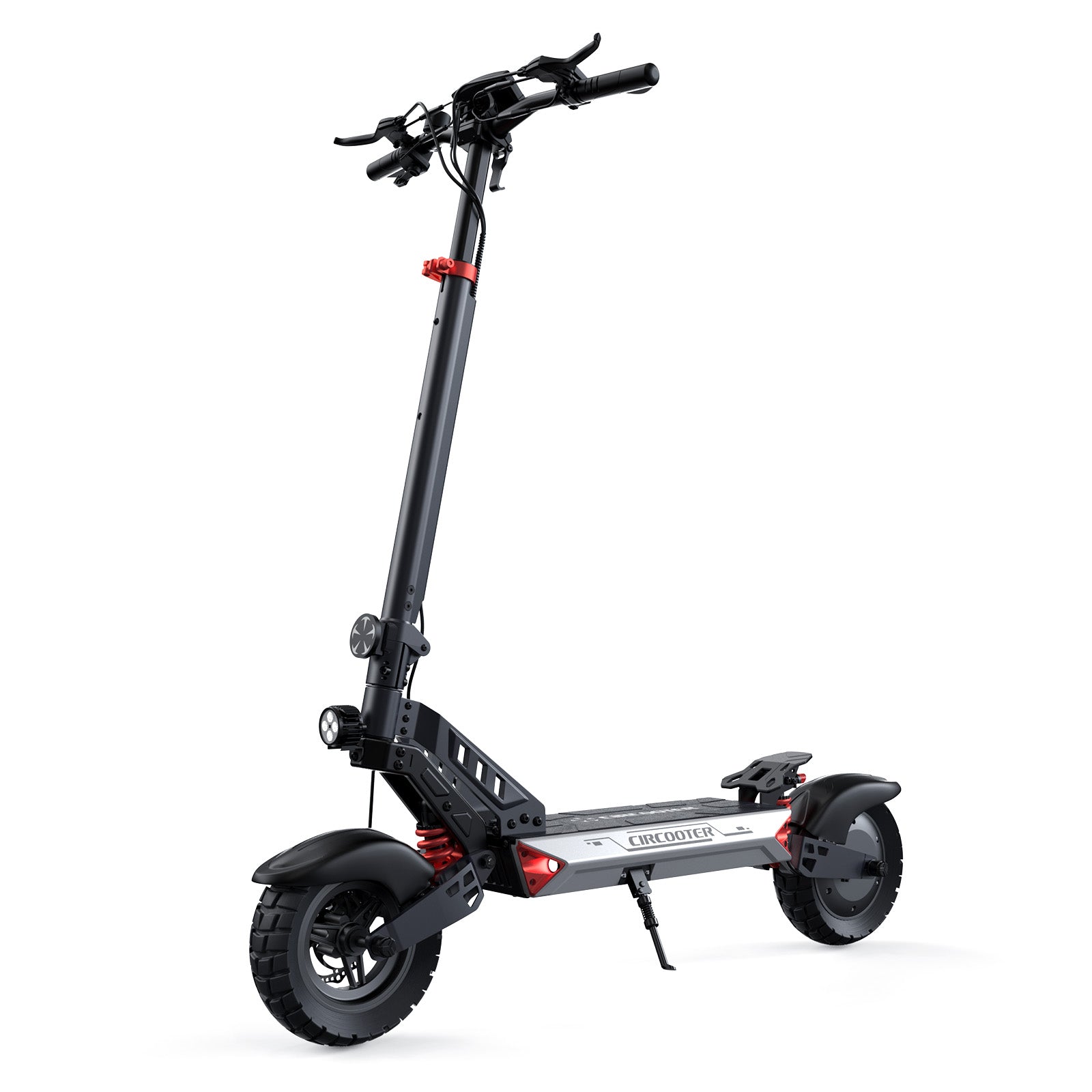
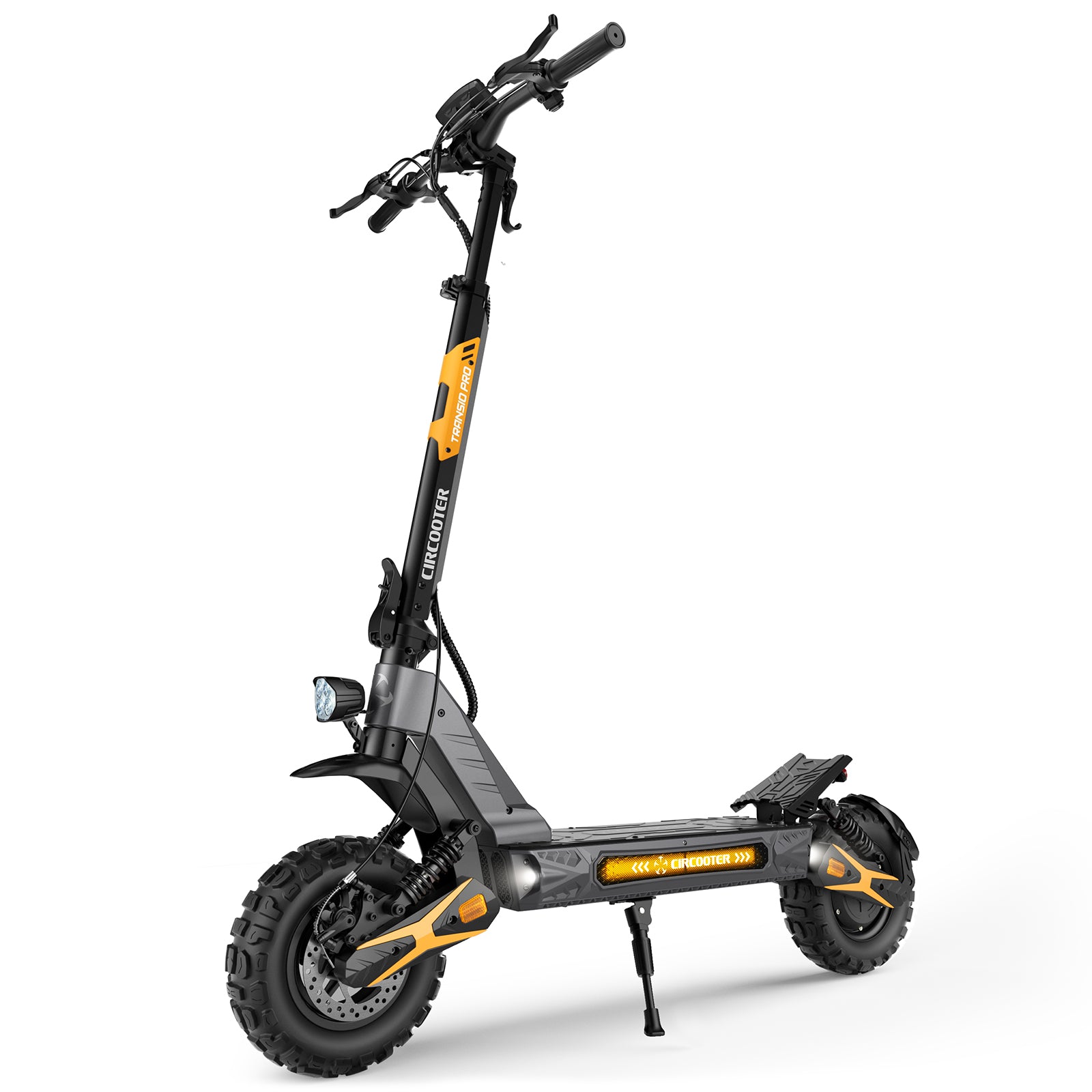
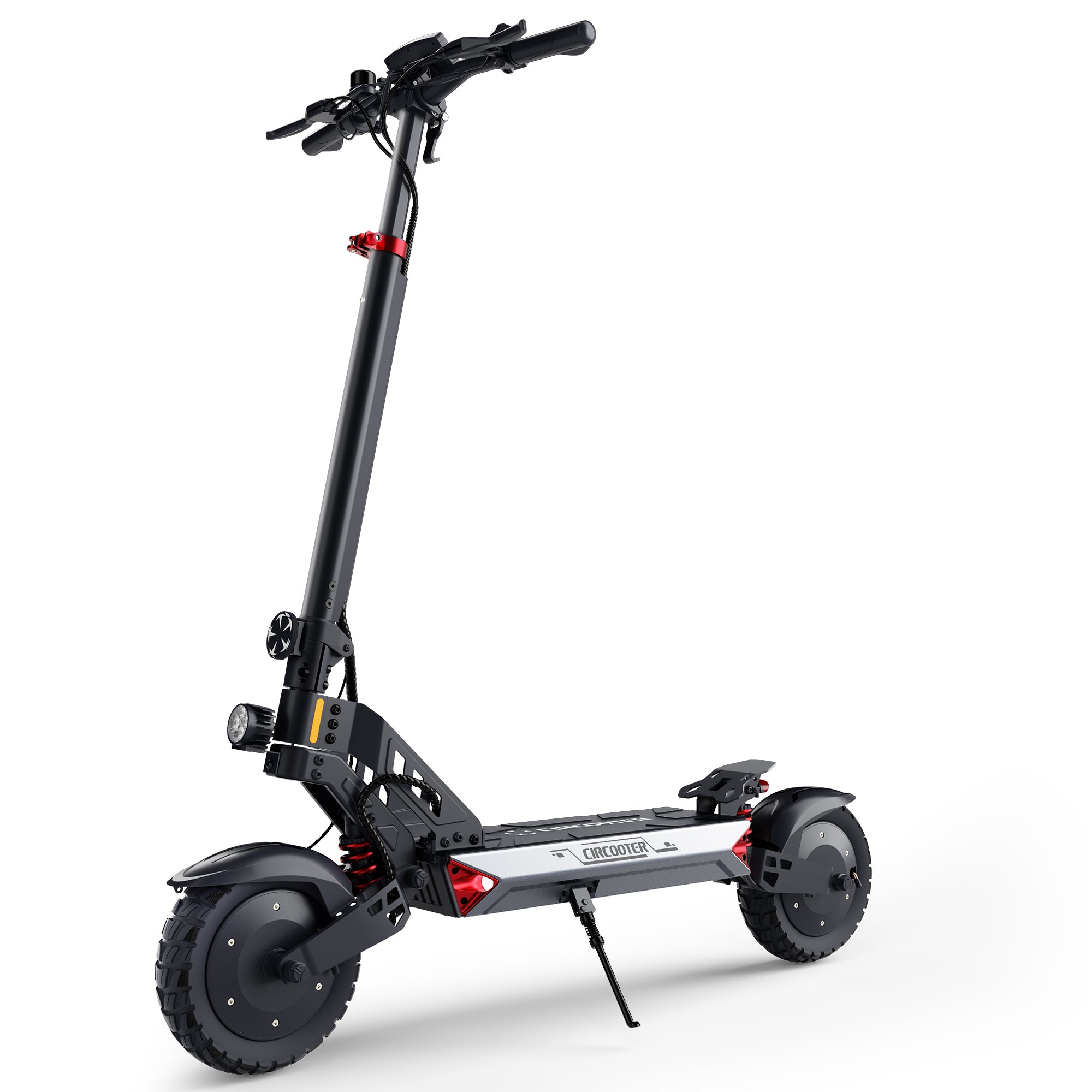
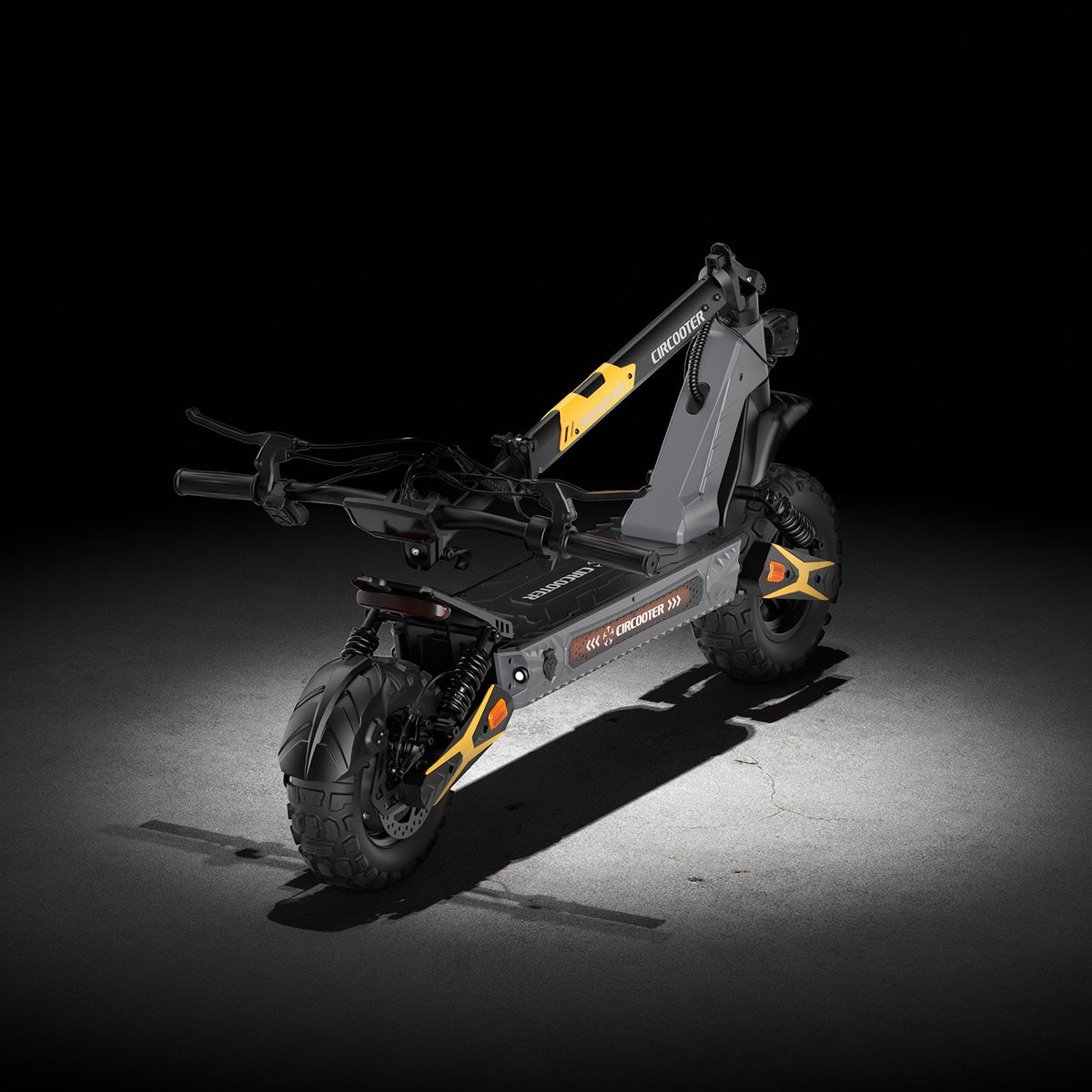
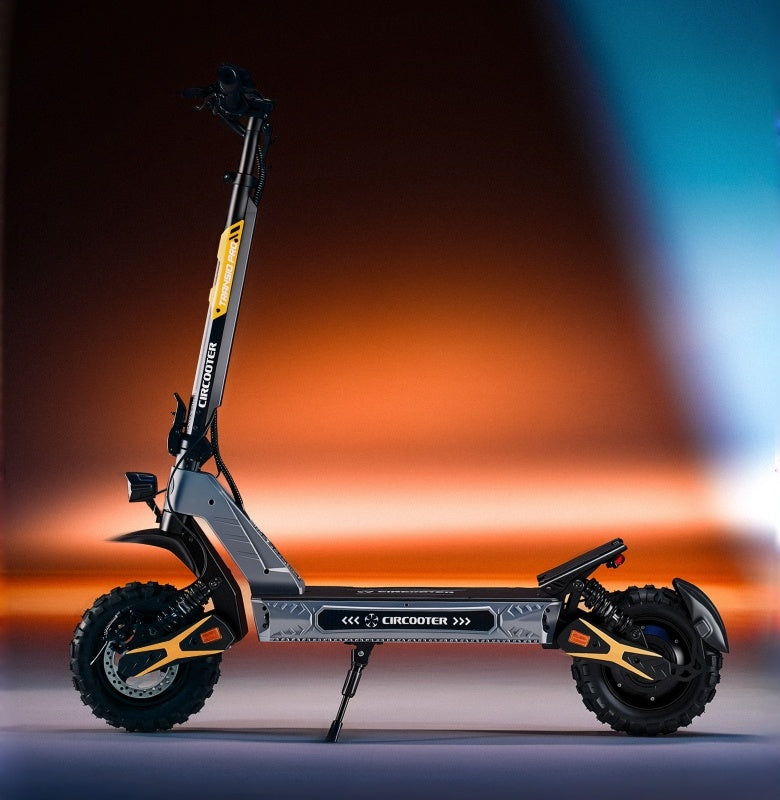
Cruiser Pro features 11-inch off-road tires, providing a larger contact patch for improved stability and smoother rollover on snow-covered surfaces
-
Raptor Pro uses 10-inch deep-tread off-road tires, offering a balance of control, traction, and maneuverability in winter environments
Larger tire diameters help reduce the chance of getting stuck in snow buildup, while aggressive tread patterns improve grip on slippery and uneven surfaces. This combination delivers more consistent traction and better control compared to smaller, urban-style tires.
2. Swing Arm Suspension: A Core Circooter Engineering Focus
Winter roads are rarely predictable. Snow can hide potholes, ice ridges, and uneven pavement, increasing the risk of bottoming out or losing balance.
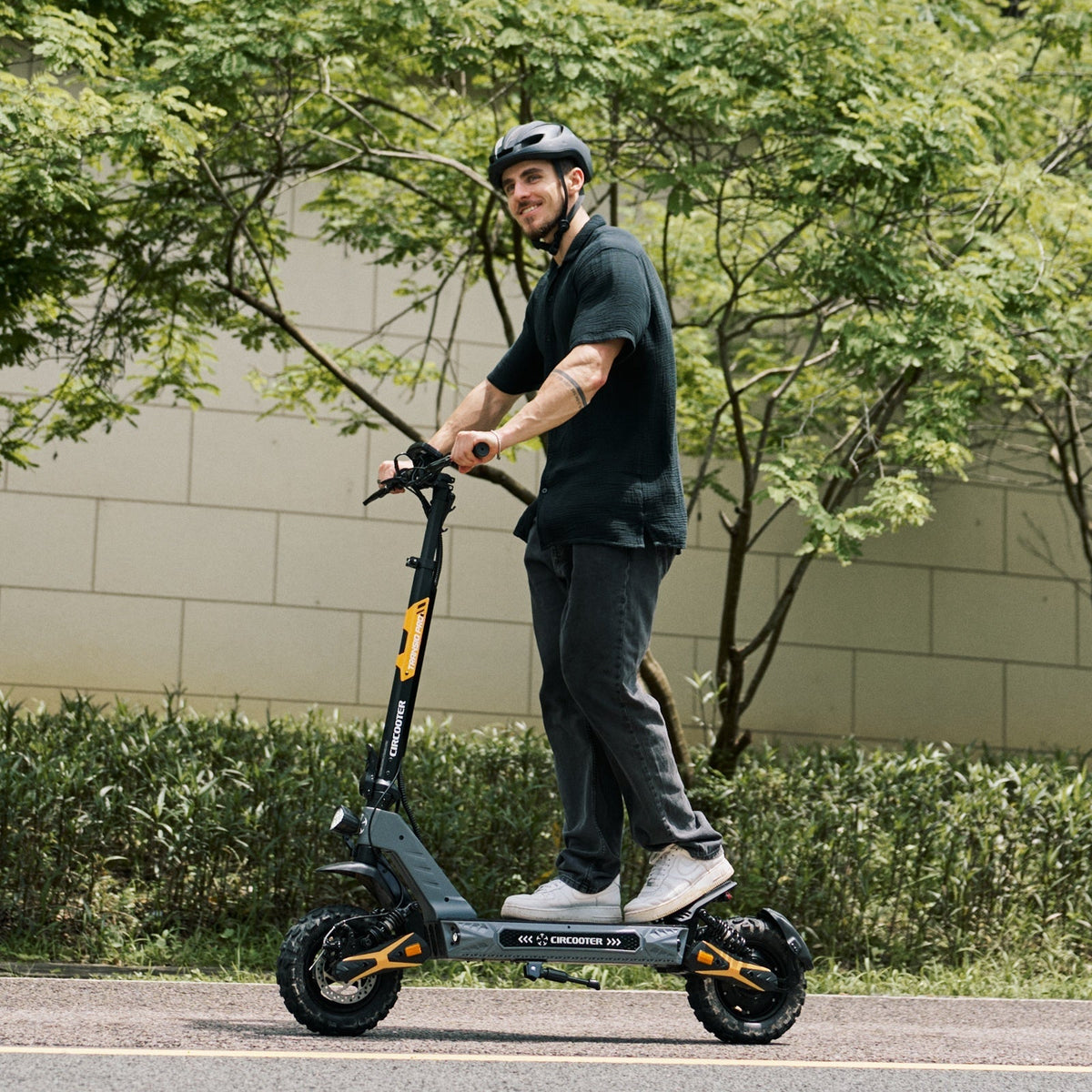
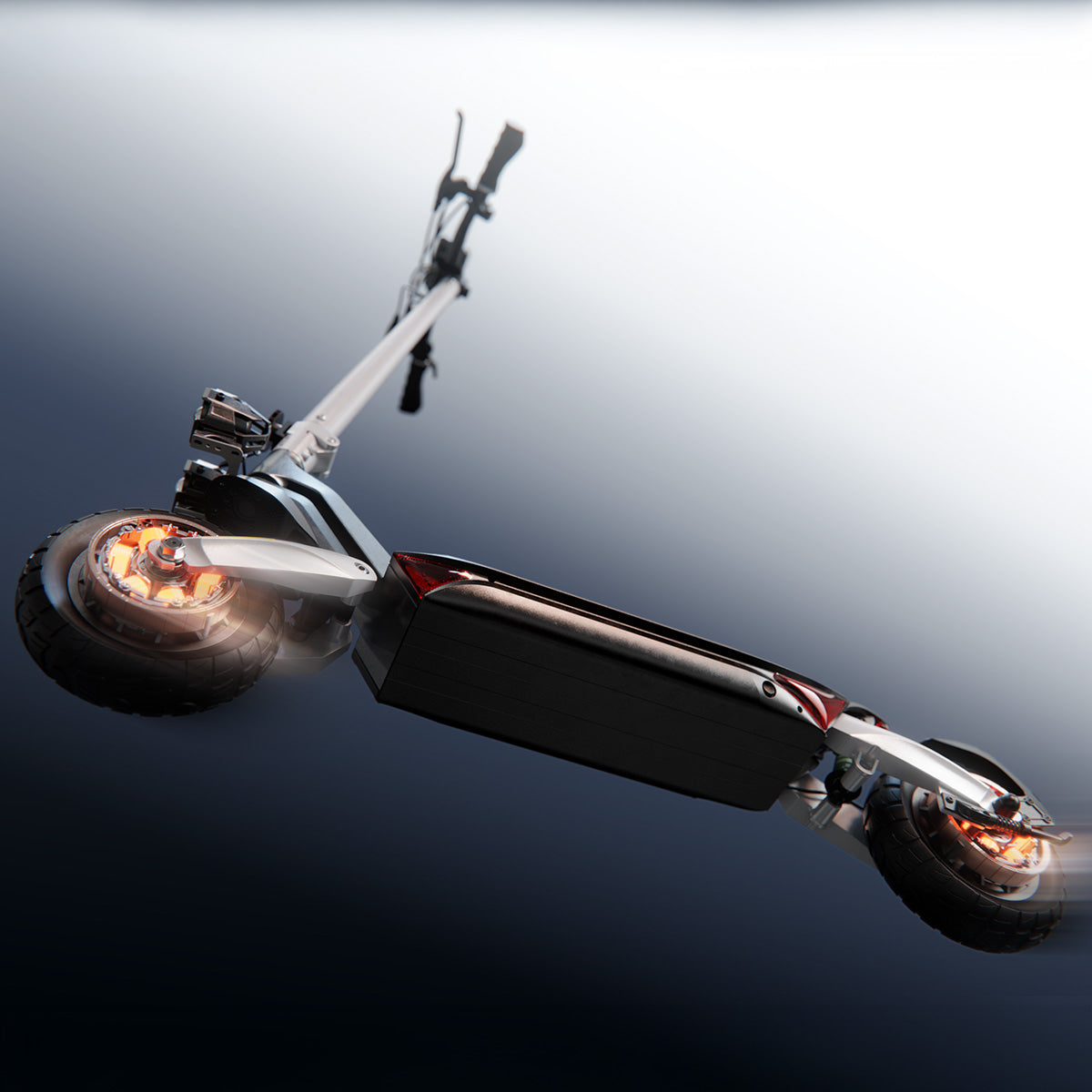
Circooter specializes in swing arm suspension structures, and every E-scooter currently in our lineup is built using this design.
Compared to basic or rigid frame structures, a swing arm suspension offers:
-
Higher ground clearance, reducing the risk of scraping or snow buildup under the deck
-
More consistent wheel contact, improving traction on uneven or slippery winter roads
-
Greater structural durability, especially important in cold and demanding riding conditions
This is not a single-model feature—it is a core design philosophy at Circooter. By standardizing swing arm suspension across all models, Circooter delivers consistent stability and ride confidence in snow, slush, and rough winter terrain.
Why These Features Matter for Winter Riding
Snow riding is not about speed—it's about control.
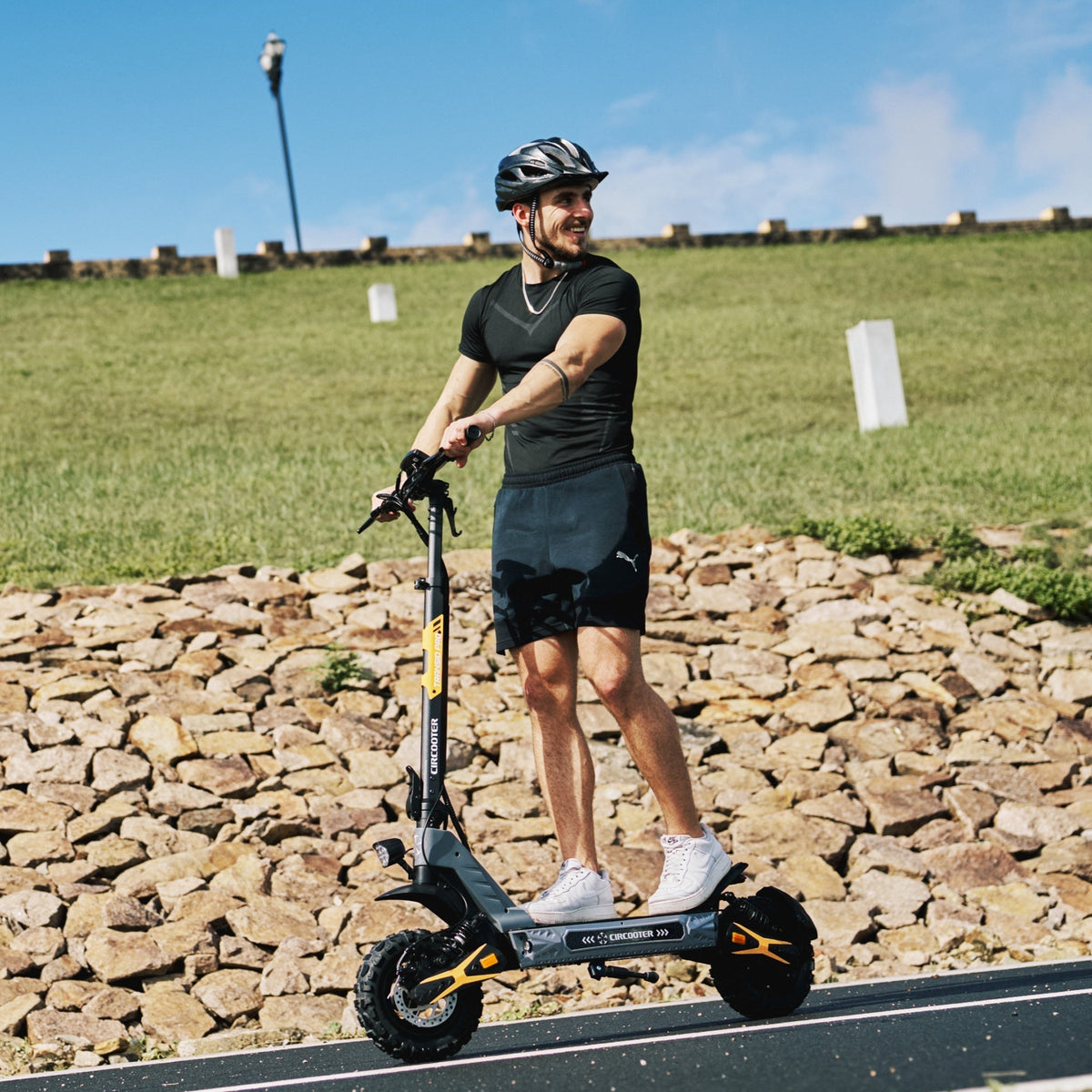
By combining large off-road tires (10-inch and 11-inch options) with a dedicated swing arm suspension structure, Circooter electric scooters are engineered to perform reliably when winter conditions become more challenging.
These are practical engineering choices that directly impact traction, stability, and rider confidence—not cosmetic upgrades.
Winter Riding Tips for Electric Scooters
Even with a winter-capable Escooter, riders should adjust their habits:
-
Ride at reduced speeds
-
Avoid sudden acceleration and hard braking
-
Start braking earlier to allow for reduced traction
-
Wear warm, protective riding gear suitable for cold conditions
Responsible riding combined with the right equipment makes winter travel safer and more enjoyable.
Conclusion: Choosing the Right Electric Scooter for Snow Riding
When selecting an electric scooter for snow or winter use, focus on two essentials:
-
Large off-road anti-slip tires for reliable traction
-
Swing arm suspension with higher ground clearance for uneven winter roads
With models like Cruiser Pro and Raptor Pro, Circooter applies these principles across its entire lineup—delivering stable, controlled performance when riding conditions are far from ideal.



Leave a comment
All comments are moderated before being published.
This site is protected by hCaptcha and the hCaptcha Privacy Policy and Terms of Service apply.