
When looking for an off-road electric scooter, most riders focus on top speed and battery range. While hitting 30+ mph is thrilling, experienced riders know that the most critical spec isn't how fast you go—it's how well you stop.
Enter Hydraulic Disc Brakes.
If you have only ridden rental scooters with mechanical brakes, you are missing out. Today, we break down what hydraulic brakes are, the differences between hydraulic and mechanical systems, and why they are standard on our flagship Circooter Cruiser Pro.
1. What Are Hydraulic Brakes?
Unlike mechanical brakes, which use a steel cable to pull the caliper, Hydraulic Brakes use fluid (usually mineral oil) to transfer force from the lever to the brake pads. It is the same technology used in cars and motorcycles.
Who Needs Them?
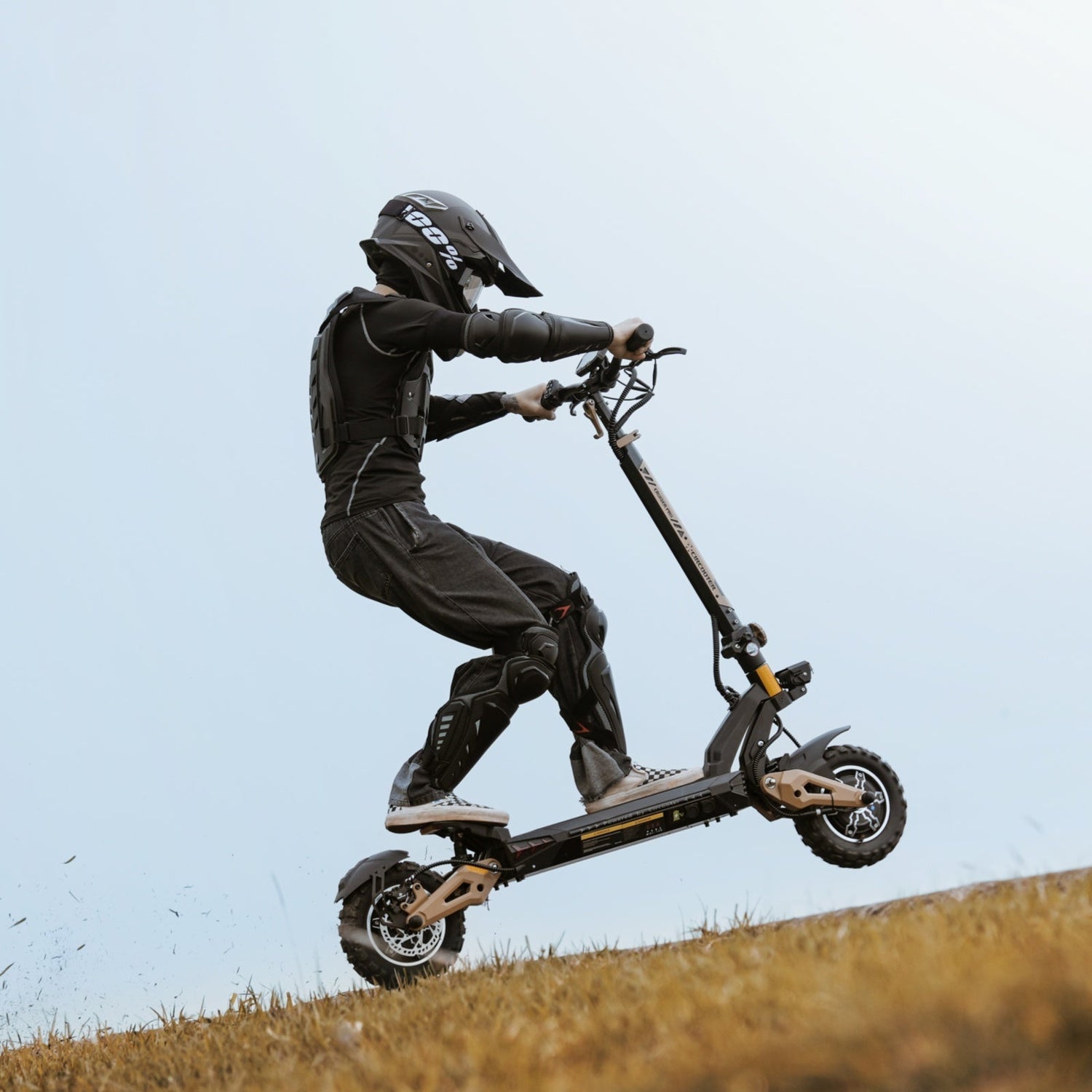
Hydraulic brakes are not necessary for slow, sidewalk scooters. They are built for Off-Road and All-Terrain models.
When navigating loose gravel, steep downhills, or wet trails at high speeds, you need precision. A mechanical brake is often "on or off," which can cause skidding. A hydraulic brake offers modulation—meaning you can control the exact amount of braking force with just one finger.
2. Pros and Cons: Hydraulic vs. Mechanical
Why do enthusiasts prefer hydraulics? Let's weigh the advantages and disadvantages.
The Advantages (Pros)
Smoother Operation: Because there is no cable friction, the lever feel is incredibly light. We call this "silky smooth" braking. You don't need to squeeze hard to get strong stopping power.
Auto-Adjusting: As brake pads wear down, hydraulic pistons automatically push further out to compensate. This means you don't have to constantly adjust cables like on cheaper scooters.
Less Hand Fatigue: On long off-road rides, your hands won't get tired from gripping the brake levers.
The Disadvantages (Cons)
Maintenance: The system is sealed, but if air gets into the line, you need to "bleed" the brakes (replace the fluid). This requires specific tools.
Higher Cost: Hydraulic systems are significantly more expensive to manufacture than mechanical ones, which is why they are usually found on premium models.
3. The Cruiser Pro Advantage
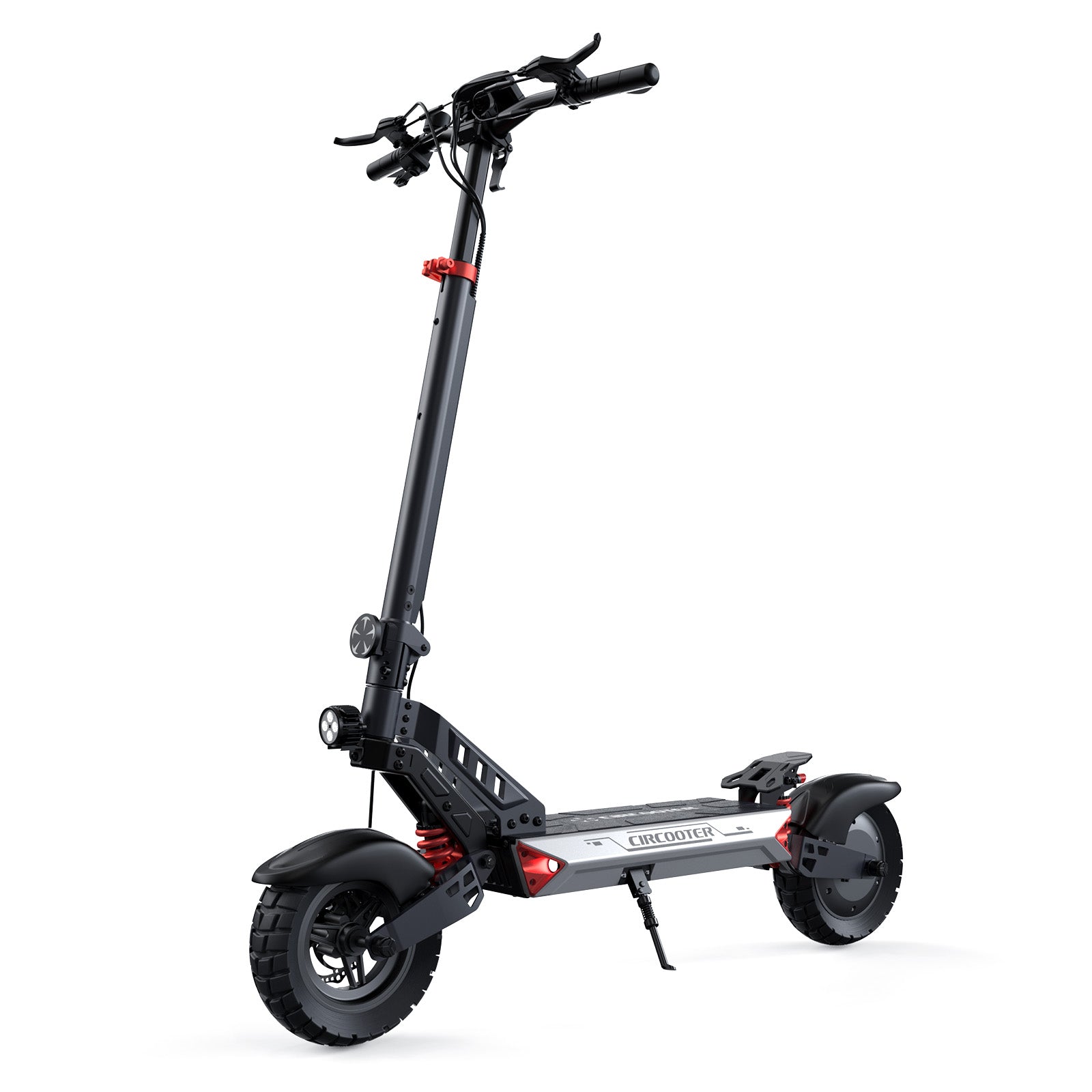
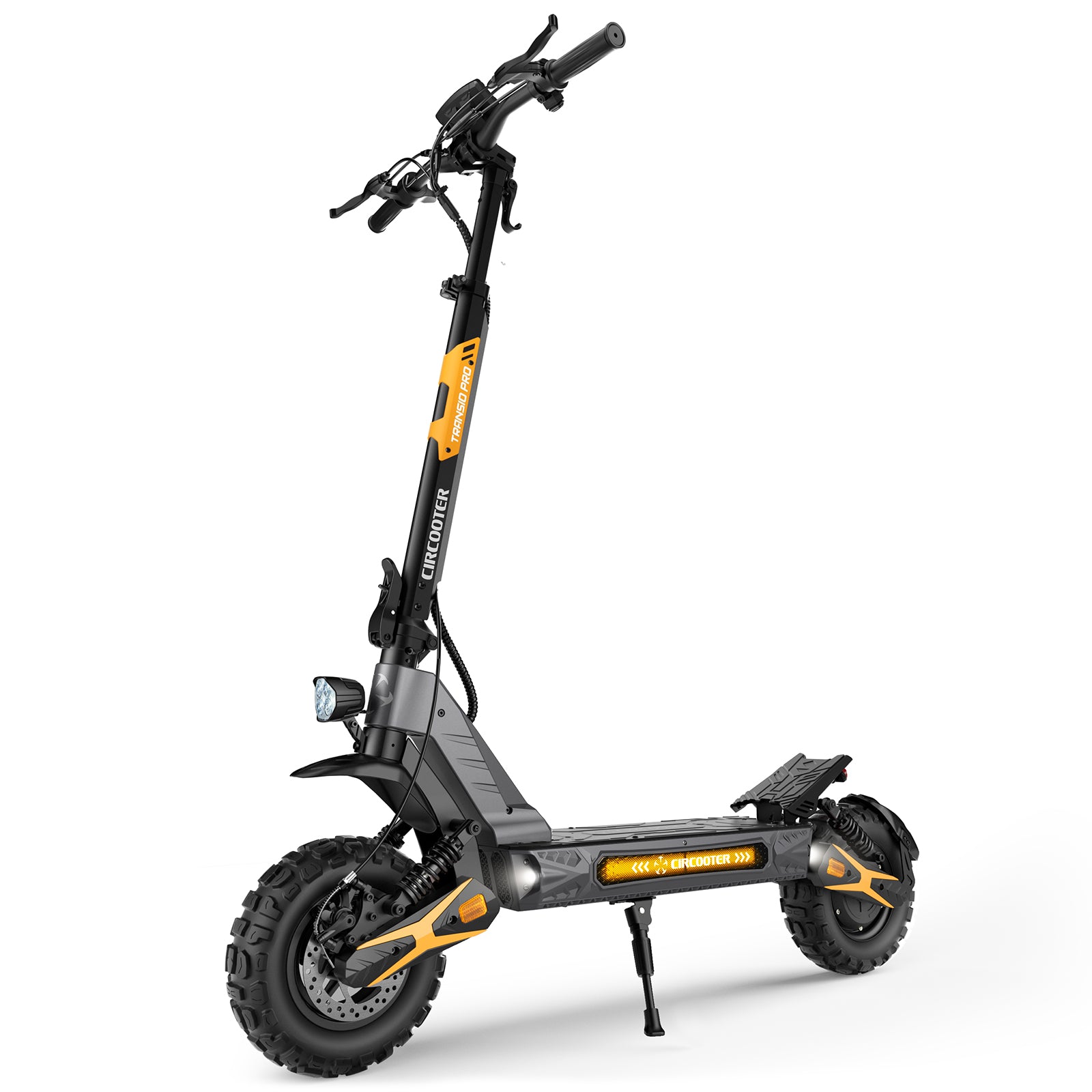
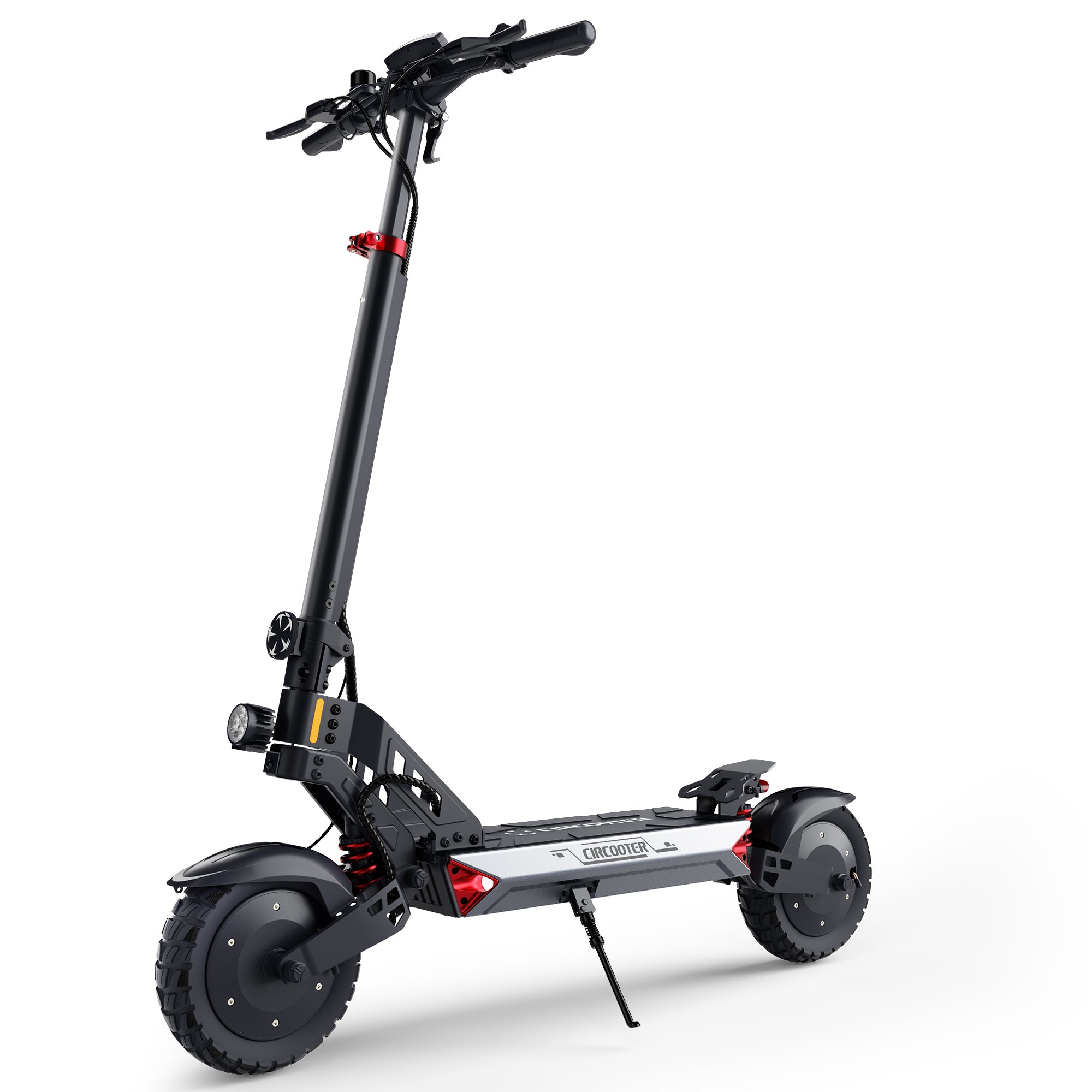
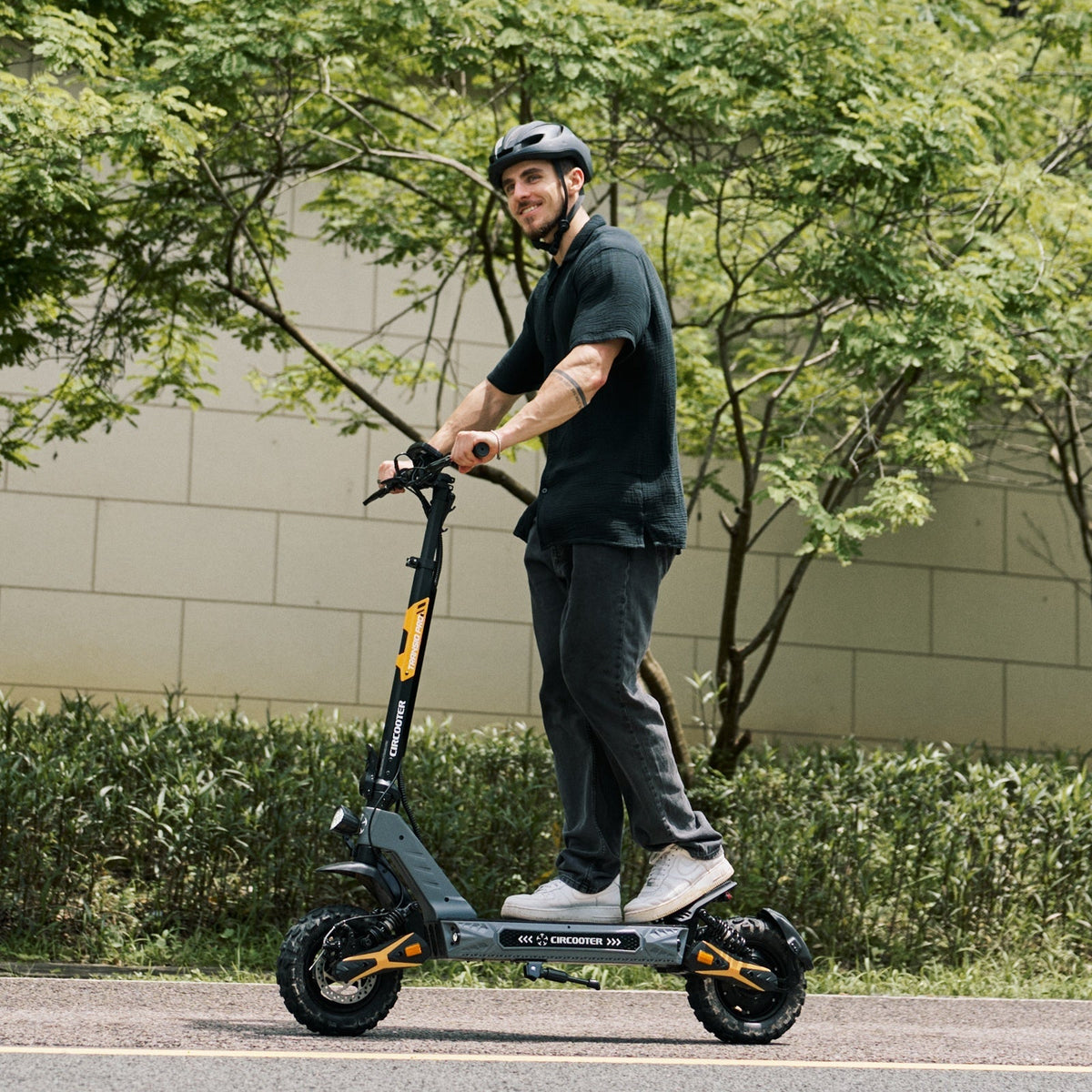
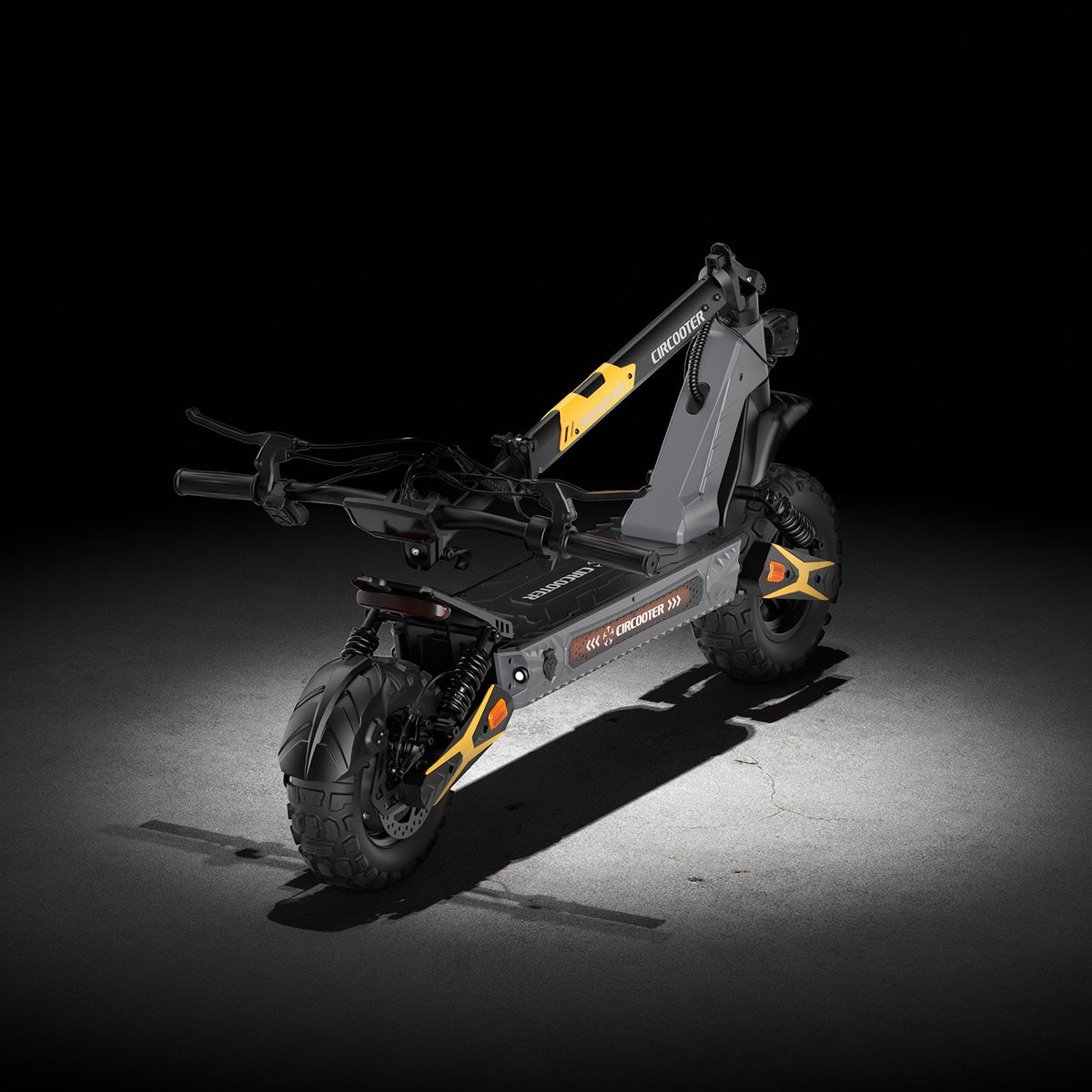
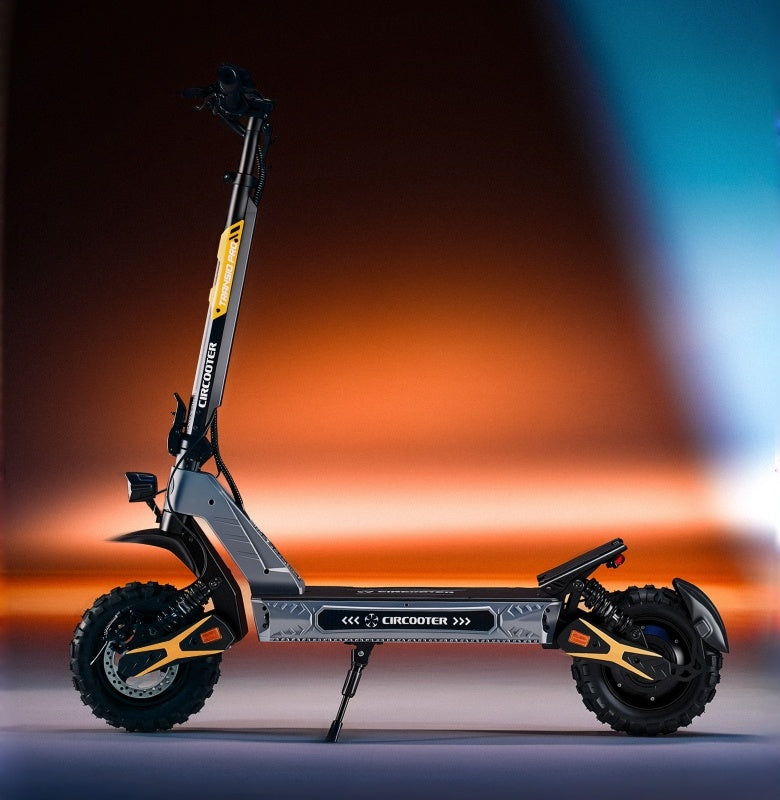
At Circooter, we believe safety should be standard. That’s why the Cruiser Pro is equipped with a premium dual hydraulic braking system.
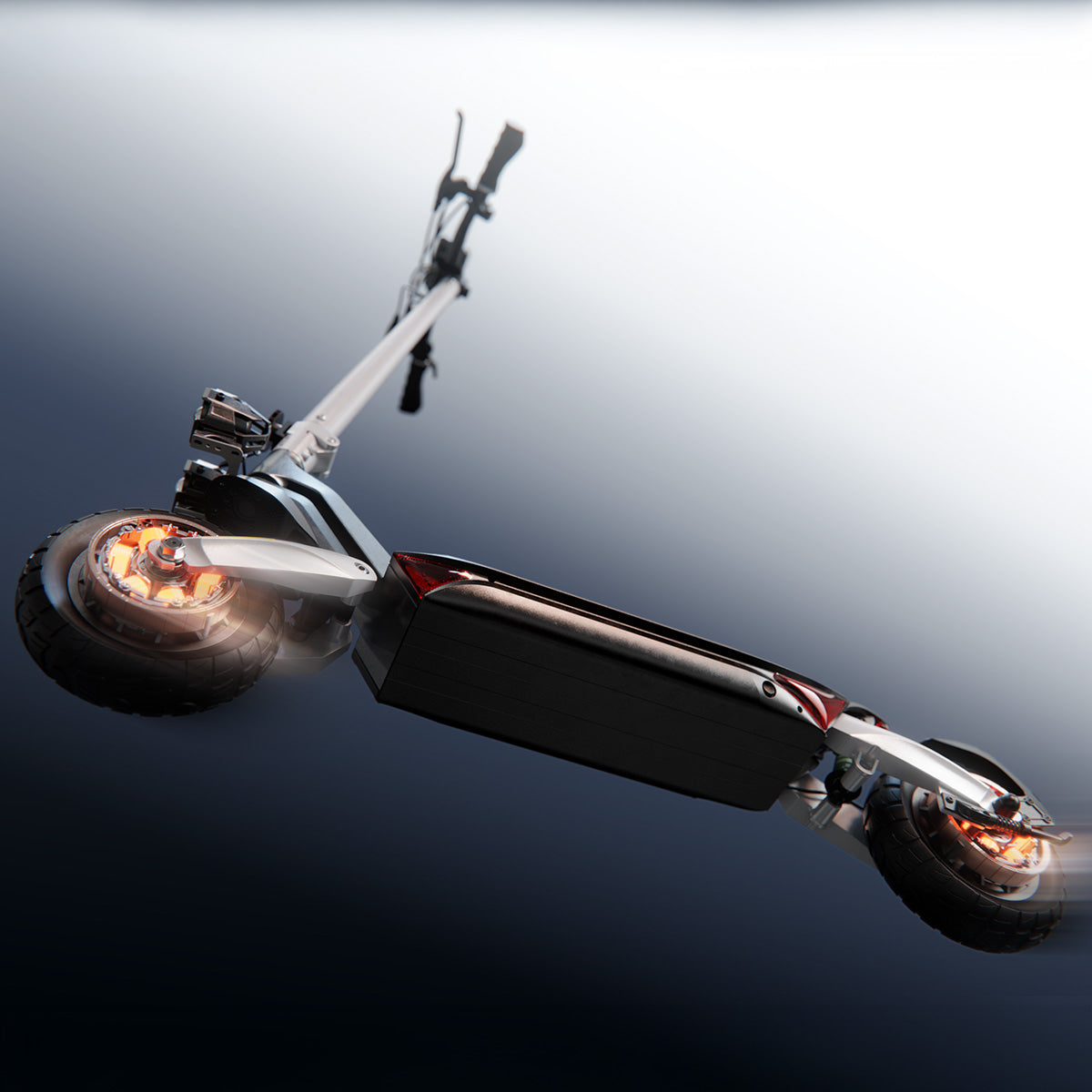
Think of the Cruiser Pro as a high-performance machine. It needs precise control to manage its powerful dual motors.
Whether you are riding through forest trails or need to make a sudden stop in the city, the Cruiser Pro’s hydraulic system ensures that you stop instantly, smoothly, and safely—without locking up the wheels uncontrollably.
Ready to Upgrade?
Don't settle for jerky cable brakes. Experience the confidence of hydraulic stopping power.
Check out the Circooter Cruiser Pro today and feel the difference for yourself.





Leave a comment
All comments are moderated before being published.
This site is protected by hCaptcha and the hCaptcha Privacy Policy and Terms of Service apply.