
Start With a Post-Ride Electric Scooter Inspection
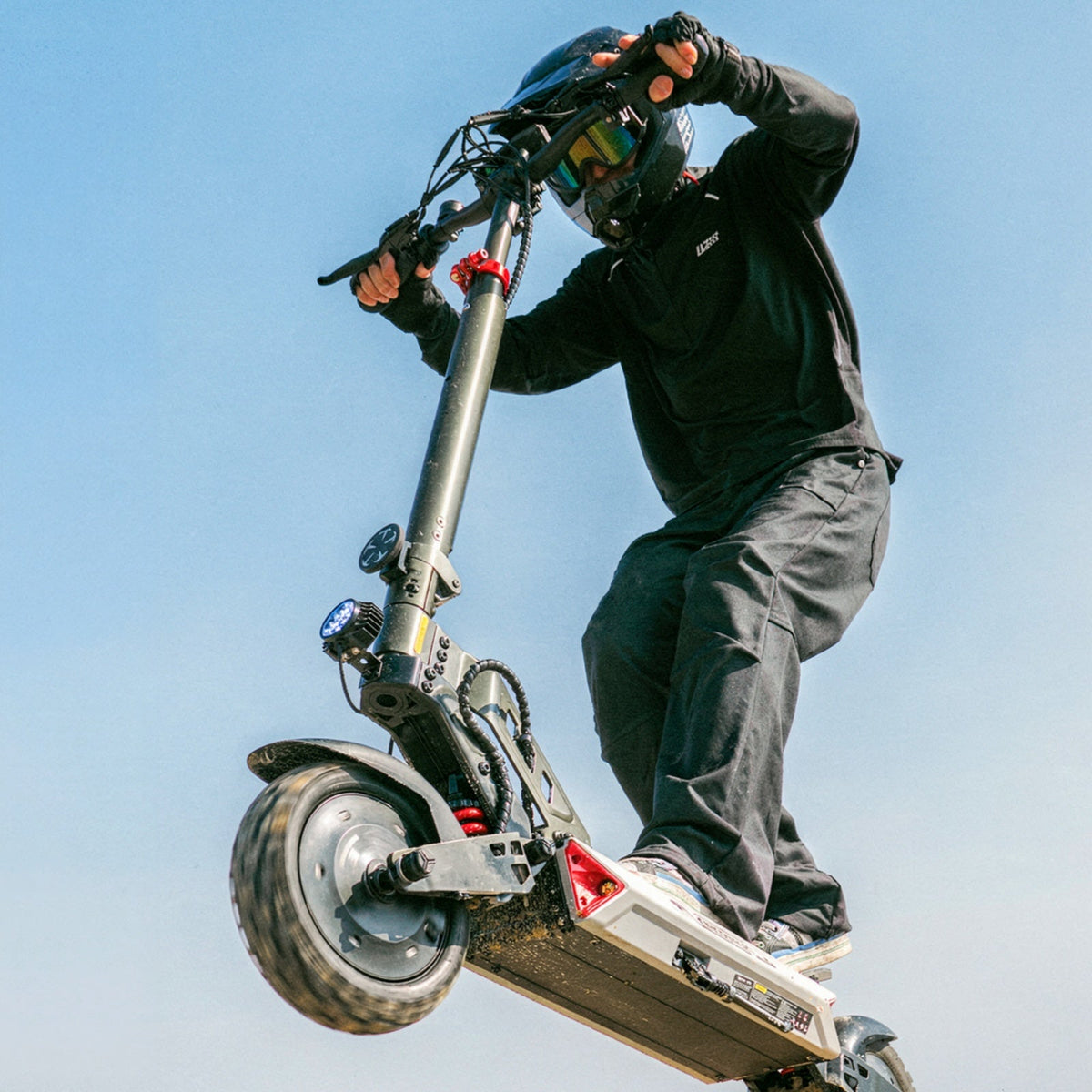
After riding on gravel, dirt, rocky paths, or other uneven surfaces, check the tires, wheels, brakes, suspension, frame, fasteners, and battery area before riding again: the tires, wheels, brakes, suspension, frame, fasteners, and battery area. A 10- to 15-minute inspection can help catch minor problems before they become bigger ones.
A rough ride puts repeated stress on your scooter. This electric scooter inspection guide needs only your eyes, hands, and a flashlight.
Why Rough Terrain Requires a Post-Ride Inspection
Every bump sends vibration through the deck, stem, wheels, and fasteners. Repeated impacts can loosen hardware, push stones into the tread, collect dust around moving parts, or cause damage that is difficult to see at first.
That makes electric scooter maintenance after rough rides worth the effort. A quick inspection can help identify problems with the tires, brakes, suspension, wheels, or frame before they affect your next trip.
Check the Tires, Wheels, and Axles
Start with the tires and wheels because they take the first impact from the riding surface. Spin each wheel slowly and inspect the tread and sidewalls. Electric scooter tires can collect thorns, glass, and sharp stones in the grooves.
Cuts, Punctures, and Unusual Wear
Look for cuts, punctures, cracks, and flat spots. If a cut is deep, exposes the tire's inner layers, causes a bulge, or results in air loss, stop riding and have the tire inspected or replaced.
Debris and Tire Pressure
Remove stones, thorns, glass, or other debris lodged in the tread. Check tire pressure with a gauge and compare it with the PSI recommended by the manufacturer or printed on the tire sidewall.
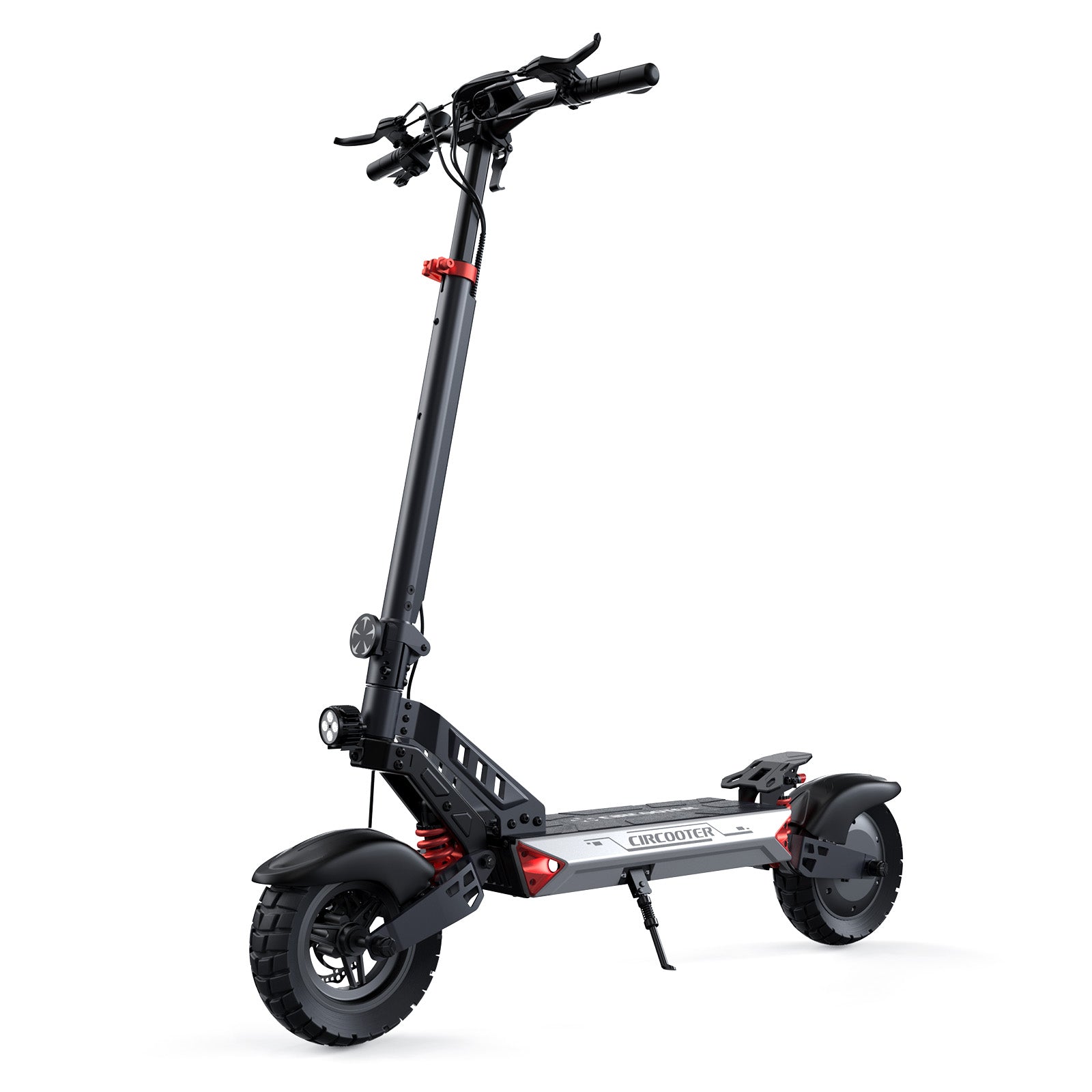
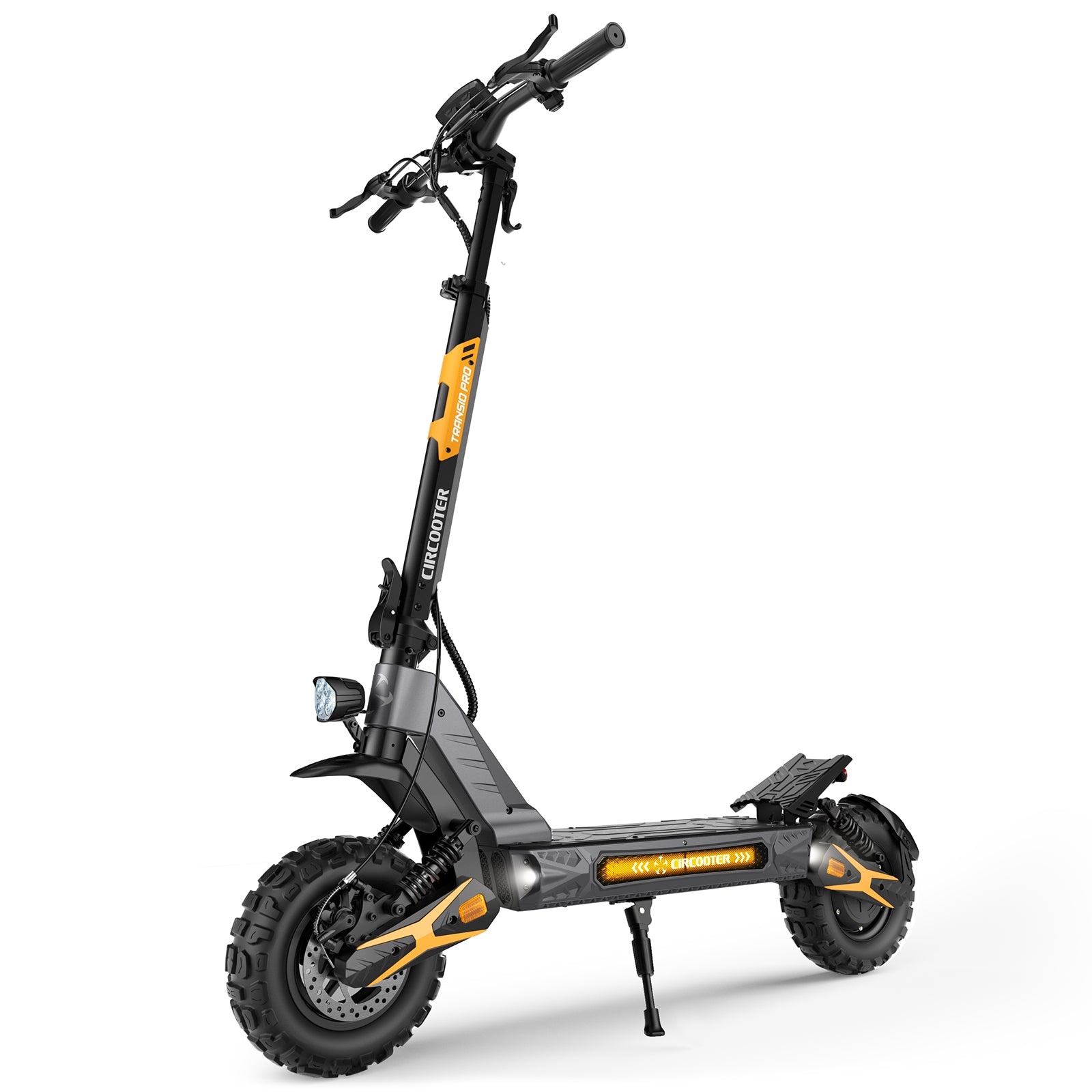
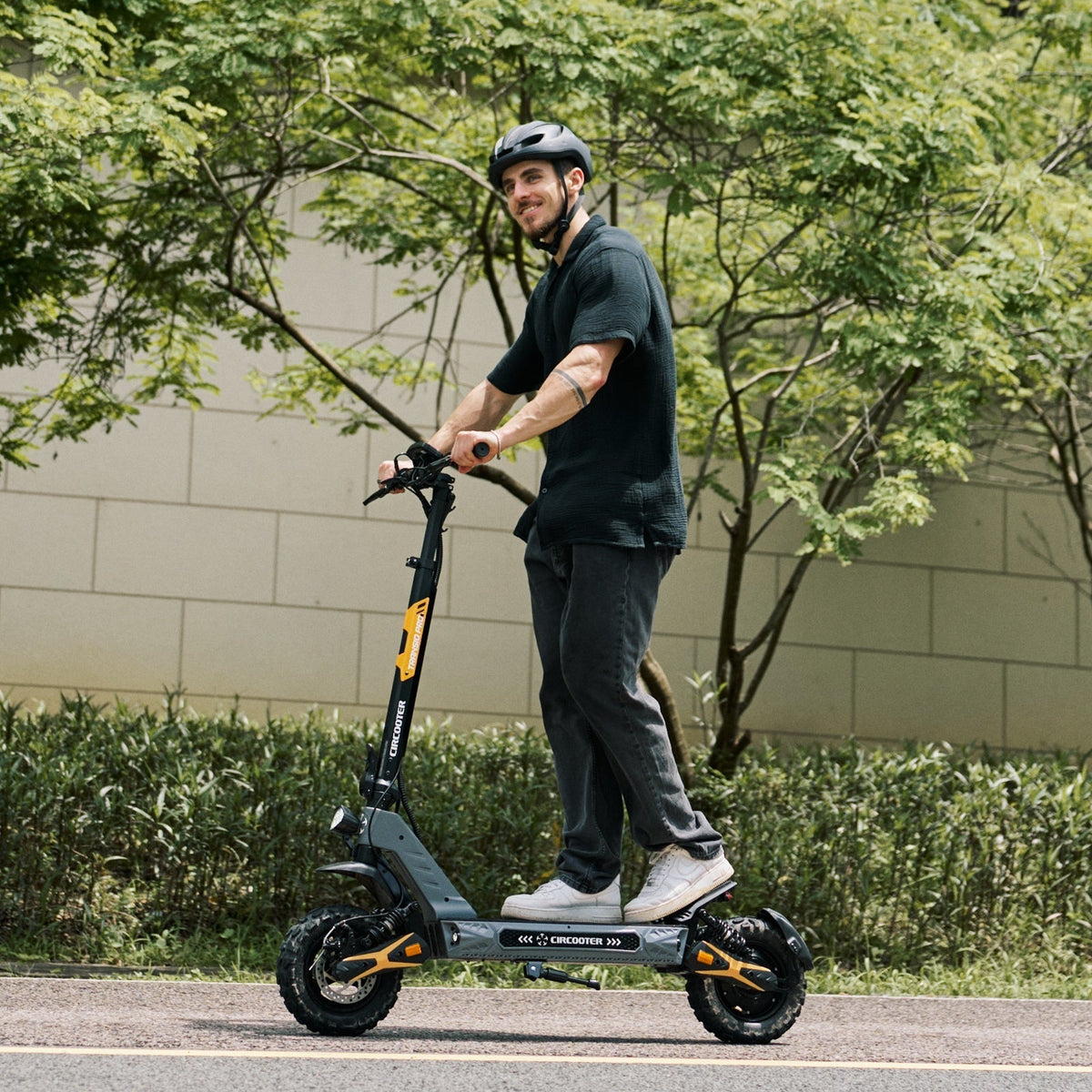
Bigger tires, like the 11-inch tires on the Transio Pro, can provide additional cushioning, but they still need to be checked after demanding rides.
Also spin each wheel and watch for wobbling, unusual resistance, or grinding sounds. Check the axle area for visible damage or looseness.
Inspect the Brakes and Brake Components
Next, inspect the brakes because dust and grit can affect their operation. Squeeze each brake lever and check that it feels firm and returns smoothly.
Spin each wheel and listen for unusual rubbing or scraping. Check the brake caliper, rotor, pads, and accessible brake hardware for visible damage or looseness. If your scooter uses brake cables, look for fraying or other visible damage.
If the brakes feel different from before the ride, stop unevenly, pull to one side, or produce new noises, do not ride until the issue has been inspected and fixed.
Examine the Suspension and Frame
Suspension absorbs repeated impacts on uneven surfaces, so it can experience significant stress during rough rides.
If your scooter has suspension, check that it compresses and returns smoothly without unusual noise or resistance. Check the suspension components and mounting points for dents, cracks, unusual movement, or signs of leakage. Inspect the welds, stem base, deck, and other visible frame areas for cracks or impact damage.
If the ride suddenly feels harsher, noisier, or less stable than before, the suspension or another component may need attention.
Check Bolts, Fasteners, and Connections
Repeated vibration can gradually loosen hardware. Check the handlebars, stem clamp, folding latch, axle nuts, brake mounts, deck screws, fenders, and other accessible fasteners.
Gently move the handlebars and check for unusual play. Make sure the folding mechanism, if equipped, locks securely. Tighten loose hardware according to the owner's manual and avoid overtightening.
Clean Dirt, Dust, and Debris
Cleaning is also part of post-ride maintenance. Dirt and dried mud can hide cracks, loose hardware, or other problems, so wipe down your electric scooter after riding through dirt or mud.
Use a damp cloth on the frame and a soft brush around the wheels and other areas where debris collects. Avoid pressure washers and follow the manufacturer's instructions for water exposure.
Keep water away from the display, charge port, battery area, and other electrical components unless the manufacturer specifically states that they can safely handle water exposure.
For more charging guidance, see Electric Scooter Charging Mistakes to Avoid.
Check the Battery and Electrical Components
Check the battery area after riding through mud or puddles. Look for:
Visible damage: Check for cracks, dents, swelling, or other unusual changes around the battery area.
Connections: Make sure accessible electrical connections show no obvious signs of looseness or damage.
Heat or odor: If the battery area becomes unusually hot or develops a burning or unusual odor, stop using the scooter and contact the manufacturer or a qualified service provider.
Moisture: If the scooter has been exposed to water, allow it to dry according to the manufacturer's instructions before charging or using it again.
Charge only when the scooter and charging area are dry. For more battery care tips, read Electric Scooter Battery Care: Tips to Extend Lifespan.
Perform a Slow Test Before Your Next Ride
Finish your electric scooter inspection with a short, slow test in a quiet, flat area where you can safely check the controls.
Brakes: Apply them gently and confirm smooth, predictable stopping.
Throttle: Check that it responds smoothly and returns when released.
Steering: Turn the handlebars slowly and check for wobbling or unusual resistance.
Tires: Listen for rubbing or other unusual sounds.
Suspension: If equipped, roll over a small, controlled change in surface and listen for unusual noises.
Lights and display: Confirm that the lights, display, and other controls work normally.
If you notice new rattles, vibrations, looseness, or unusual movement, stop and inspect the scooter again before riding.
Make Post-Ride Inspection a Habit
Knowing what to inspect after riding on rough terrain turns guesswork into a simple maintenance routine. Check the tires, wheels, brakes, suspension, fasteners, and battery area, then finish with a short functional test.
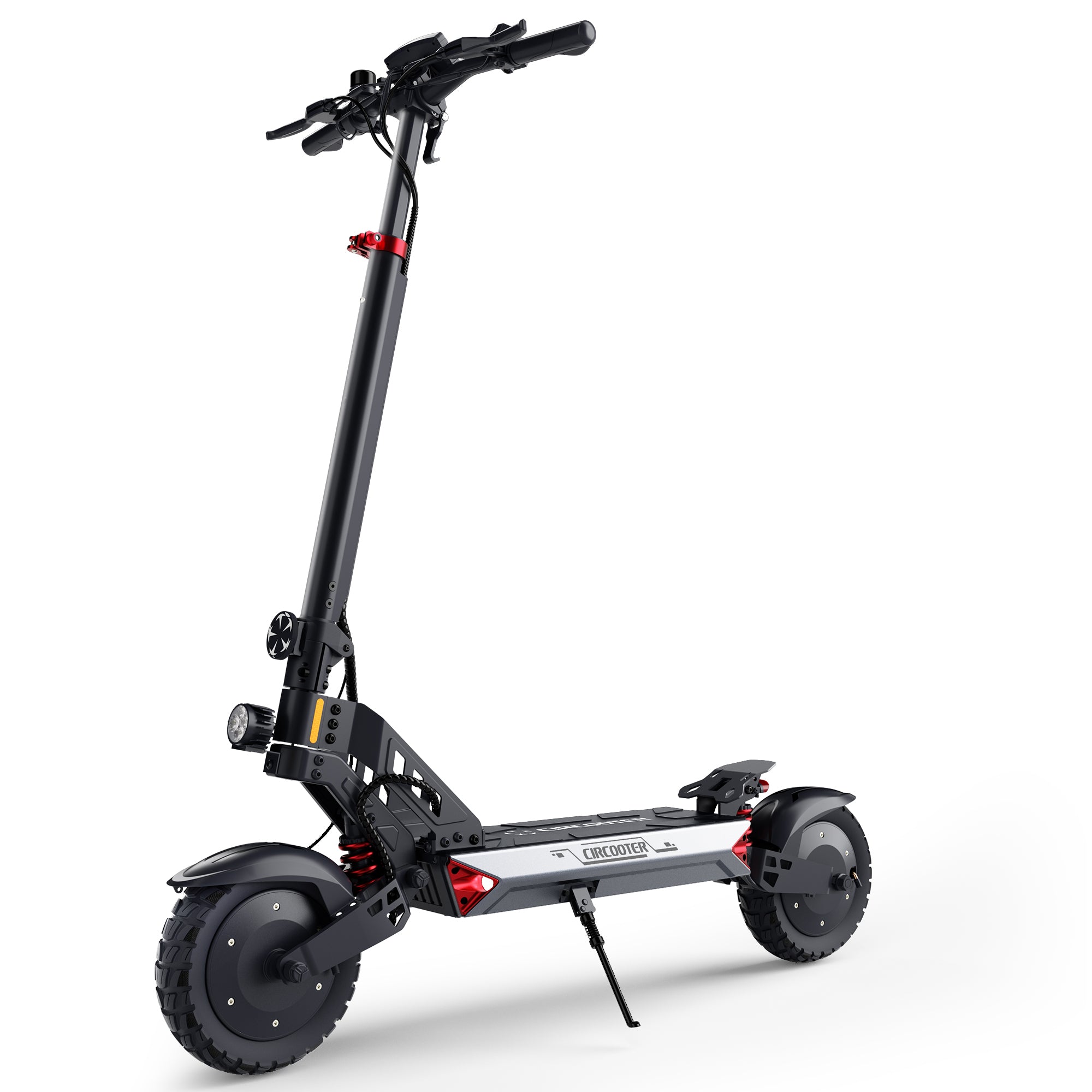
If you regularly ride on rough or uneven routes, choosing a scooter designed for those conditions can also make a difference. The Landturbo Pro and Landturbo Ultra are examples of CIRCOOTER models positioned for off-road riding.
What E-Scooter Riders Want to Know
What should I inspect after riding on rough terrain if I only have five minutes?
Check the tires, wheels, brakes, and handlebars first. These components have a direct effect on control and should be checked before riding again.
How soon should I do an electric scooter inspection after a rough ride?
Ideally, inspect the scooter soon after the ride while dirt and debris are still easy to identify and remove. A check before the next ride can also catch problems.
Can I ride with a small cut in the tire?
It depends on the location and severity of the damage. If the cut is deep, exposes the tire's inner layers, causes a bulge, or results in air loss, do not ride until the tire has been inspected or replaced.
Is it safe to wash my electric scooter after riding in mud?
Cleaning can be part of electric scooter maintenance, but follow the manufacturer's instructions for water exposure. Avoid pressure washers and keep water away from electrical components that are not designed for direct water exposure.



Leave a comment
All comments are moderated before being published.
This site is protected by hCaptcha and the hCaptcha Privacy Policy and Terms of Service apply.