
Ride Smart, Not Just Hard
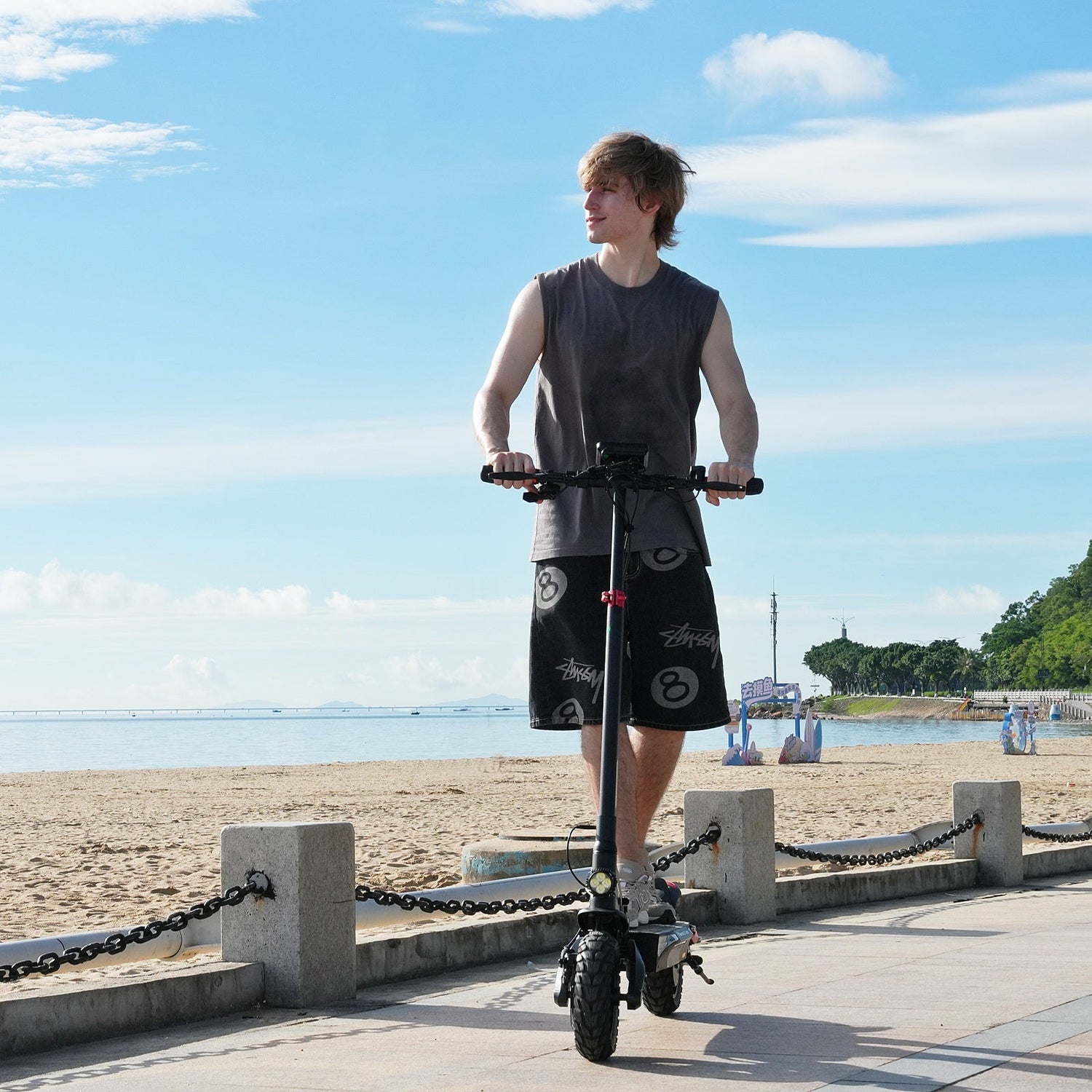
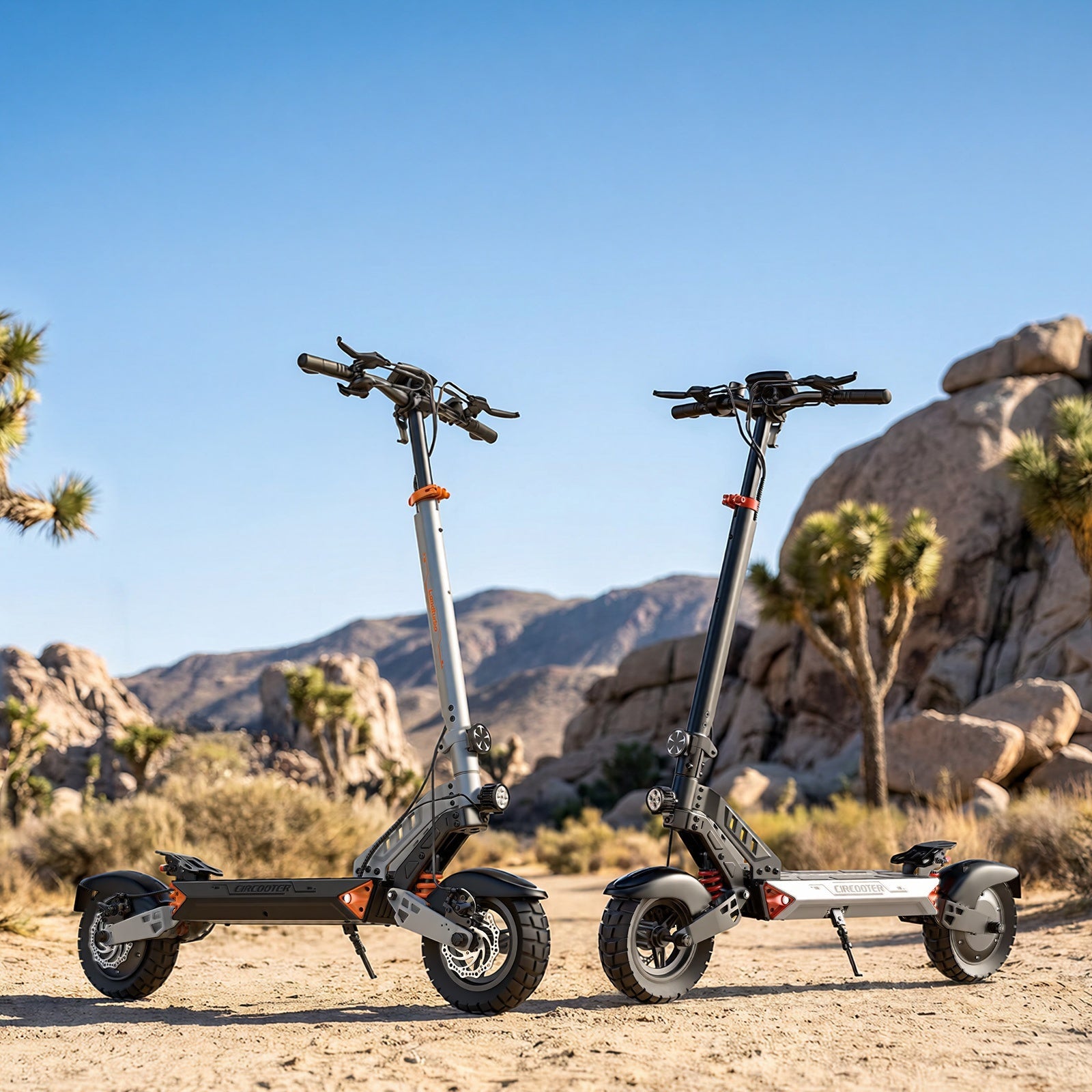
Riding an off-road scooter in summer heat can be safe and enjoyable when you adjust your timing, hydration, gear, battery care, and trail technique. A 95°F trail ride is not the same as a 65°F ride. Heat affects your energy, focus, battery performance, tire pressure, and traction.
That does not mean summer riding is something to avoid. It just means you need to treat heat as part of the ride. The riders who struggle most are usually the ones who use the same habits in July that they use in mild spring weather.
With a few adjustments, summer can be one of the best seasons for off-road scooter riding. CIRCOOTER’s summer e-scooter commuting guide is a helpful starting point for understanding how heat affects both comfort and scooter performance.
Time Your Ride Around the Heat
The biggest improvement you can make is simple: ride early or late.
Trail temperatures usually peak between 11 a.m. and 3 p.m. A ride at 7 a.m. can feel dramatically cooler than the same trail at noon. That difference matters for both the rider and the scooter.
Morning rides also have another advantage: trail surfaces are often firmer. Packed dirt, dry soil, and sandy sections can become looser as the day heats up. Cooler ground usually means better traction and more predictable handling.
If you cannot ride in the morning, late afternoon or early evening is the next best option. Midday rides are still possible, but they should be shorter, slower, and planned with extra water and shade breaks.
Protect the Battery From Heat
Summer heat puts extra stress on electric scooter batteries. Off-road riding adds even more demand because the motor works harder on climbs, loose dirt, gravel, sand, and uneven terrain.
Heat can reduce efficiency, shorten real-world range, and speed up long-term battery wear if the scooter is handled poorly.
Good summer battery habits include:
-
Let the scooter cool for 20–30 minutes before charging.
-
Park in shade between rides.
-
Avoid leaving the scooter in direct sun.
-
Never store a hot scooter in a car trunk.
-
Expect slightly reduced range on very hot days.
-
Charge in a cool, ventilated area.
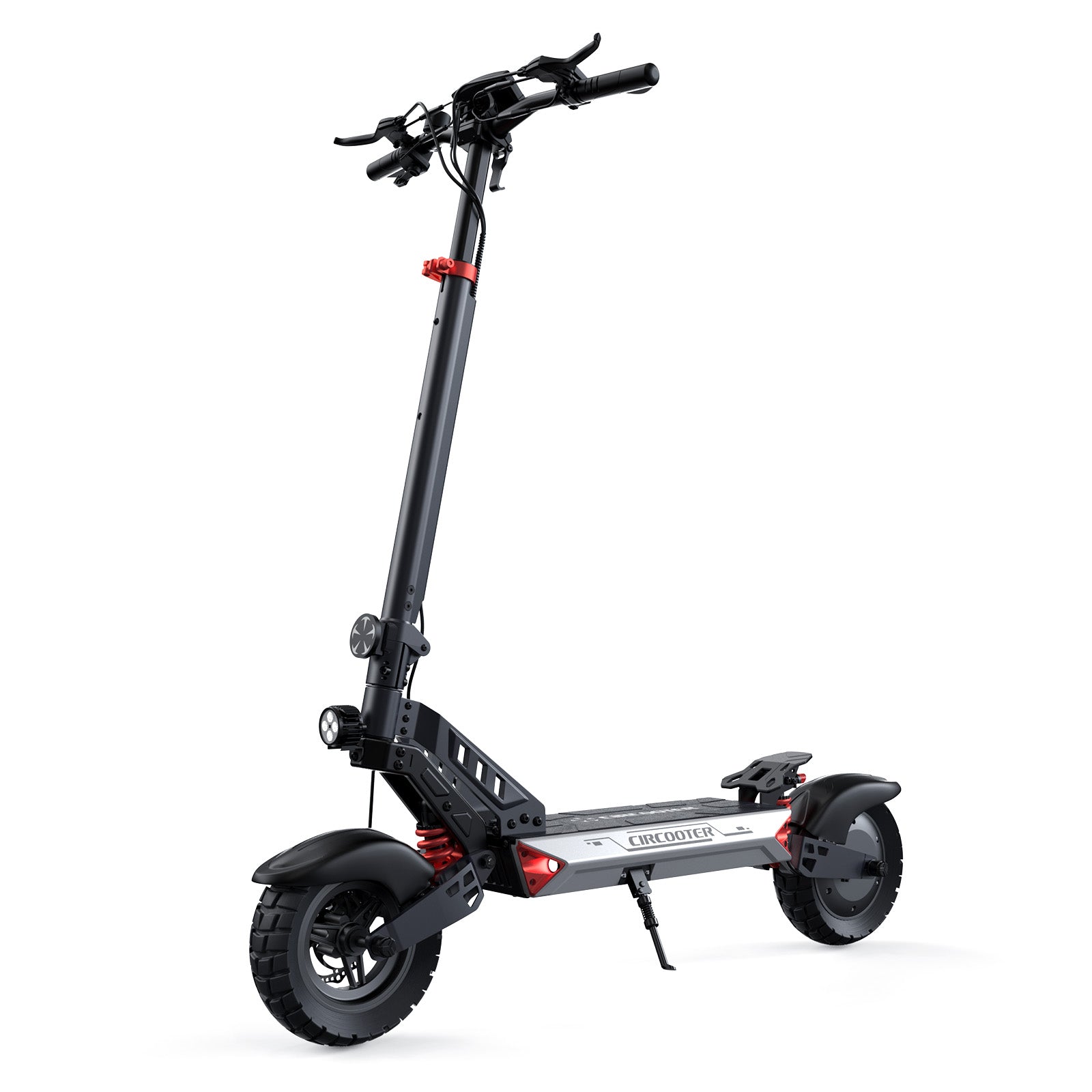
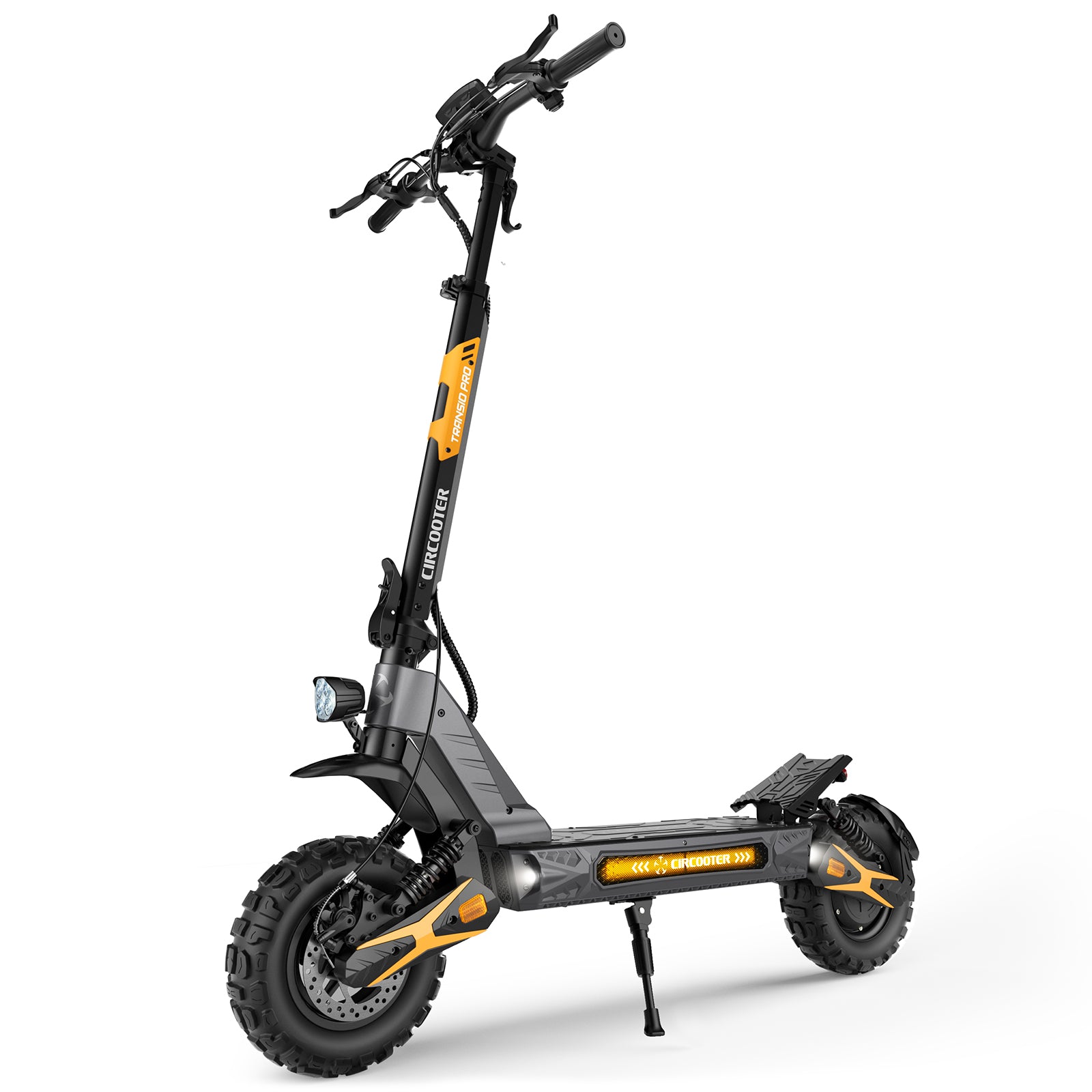
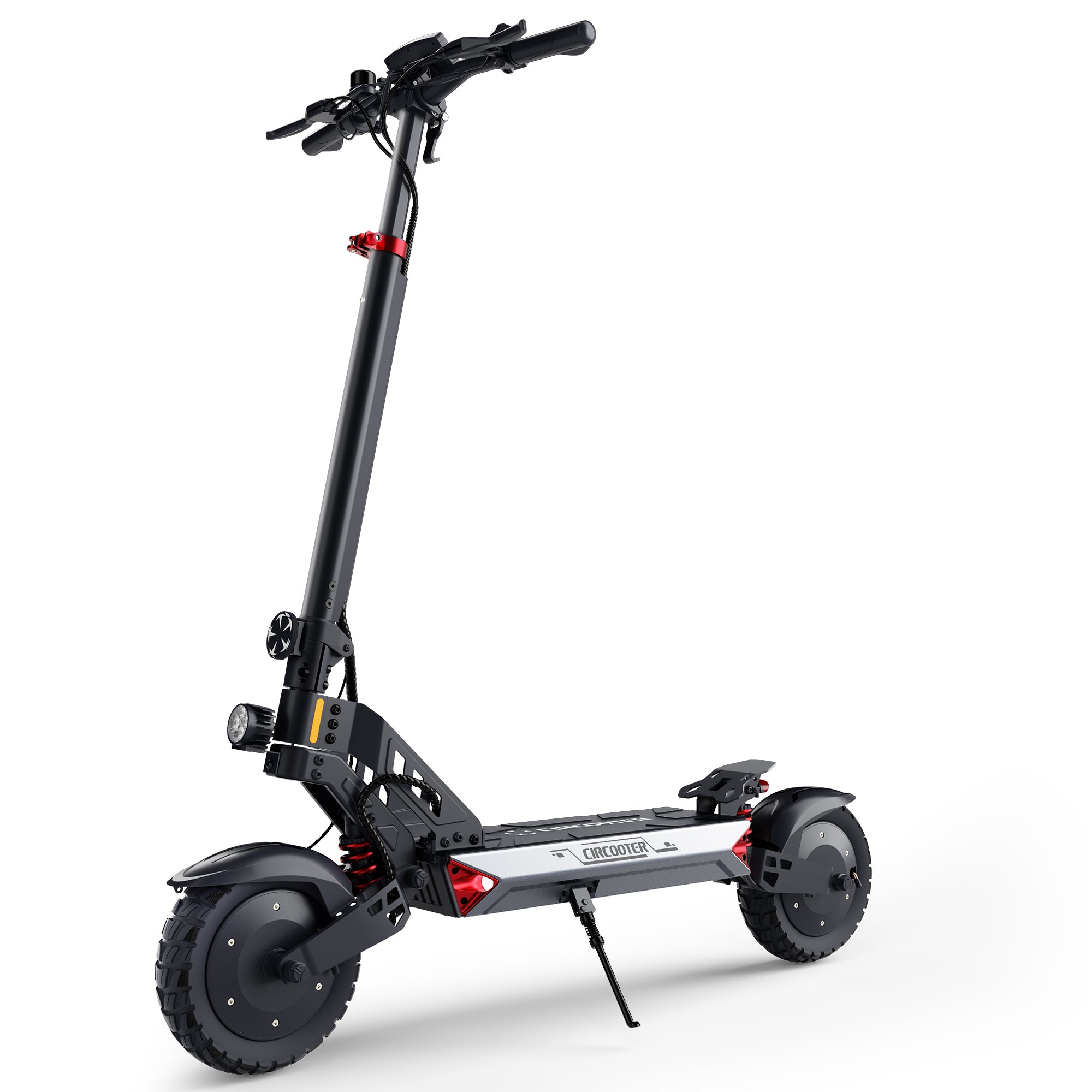
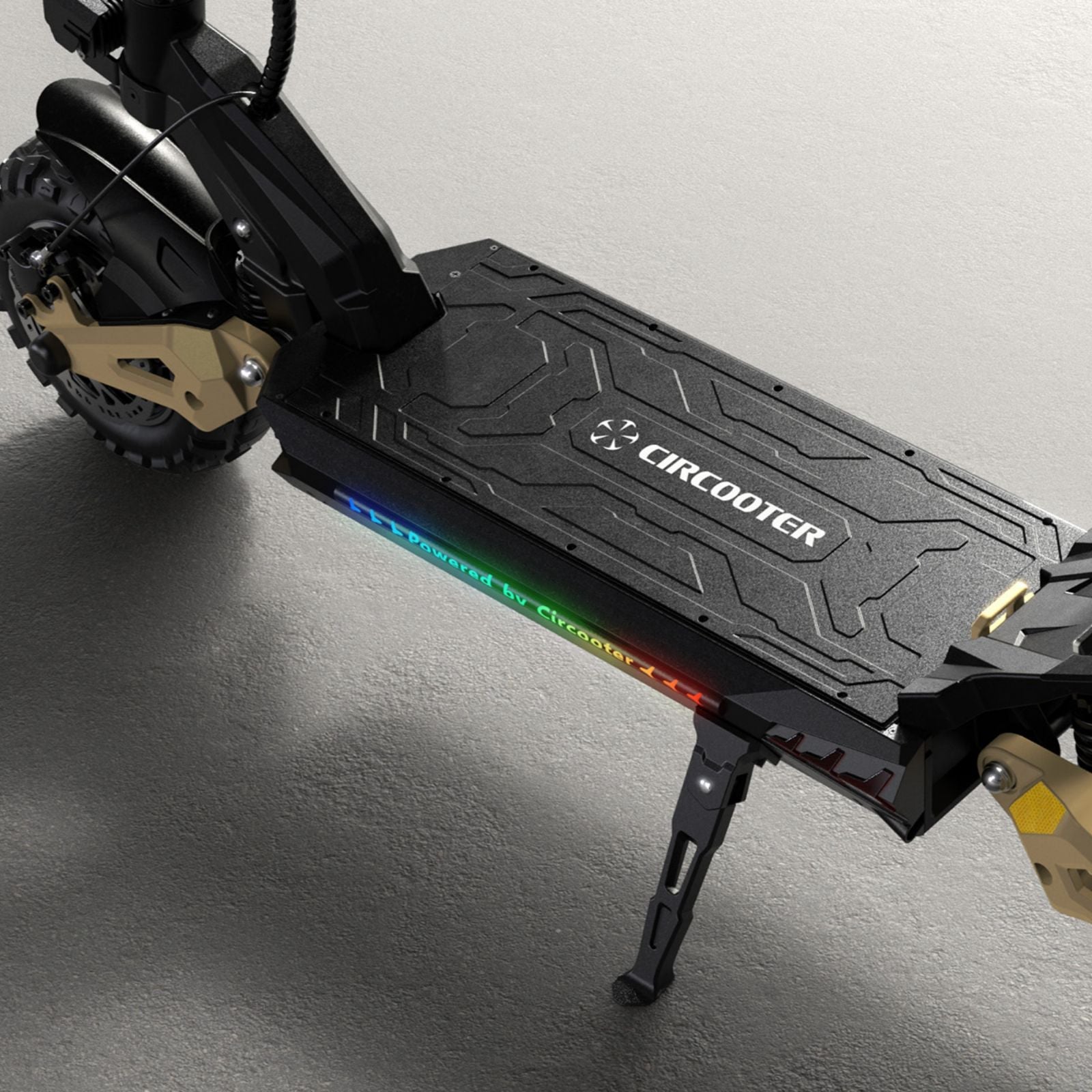
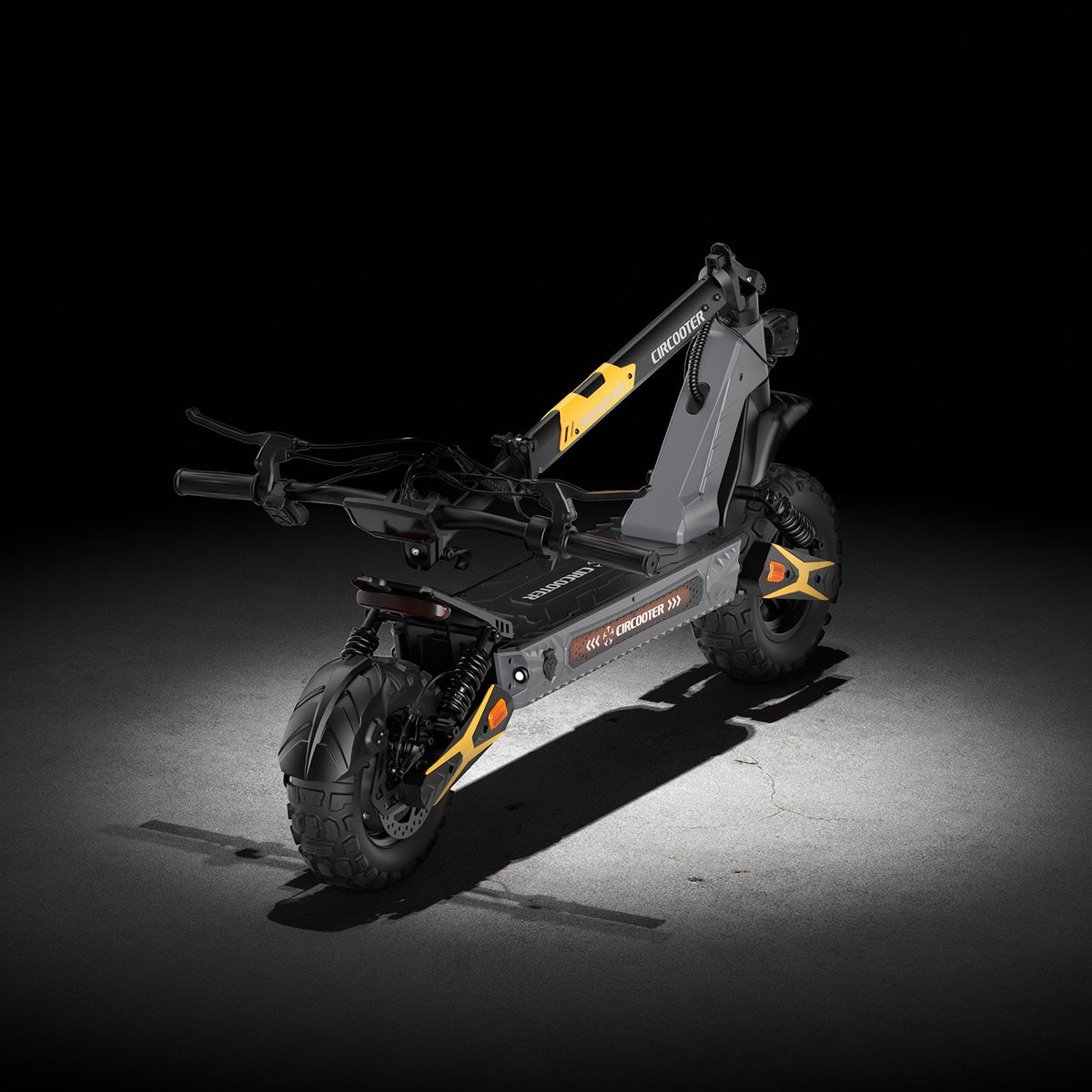
A capable scooter like the CIRCOOTER Landturbo Pro or CIRCOOTER Raptor Pro may have strong hardware, but good battery habits still matter. The better you manage heat, the better your scooter performs over time.
For more year-round care habits, CIRCOOTER’s essential electric scooter maintenance guide is a useful follow-up.
Stay Hydrated Before You Feel Thirsty
Hydration affects reaction time, balance, and focus. On a trail, that matters. You need to read terrain, brake smoothly, and react quickly to loose surfaces, dips, rocks, and turns.
Do not wait until you feel thirsty. By then, you may already be mildly dehydrated.
For short summer rides, carry at least 500 ml of water. For rides over 45–60 minutes, bring 1 L or more. A hydration backpack is useful because you can drink without stopping.
Drink water before the ride, sip during the ride, and take shade breaks on longer sessions. If you feel dizzy, nauseous, weak, or unusually tired, stop riding and cool down. Those are warning signs, not minor inconveniences.
Wear Gear That Protects Without Overheating
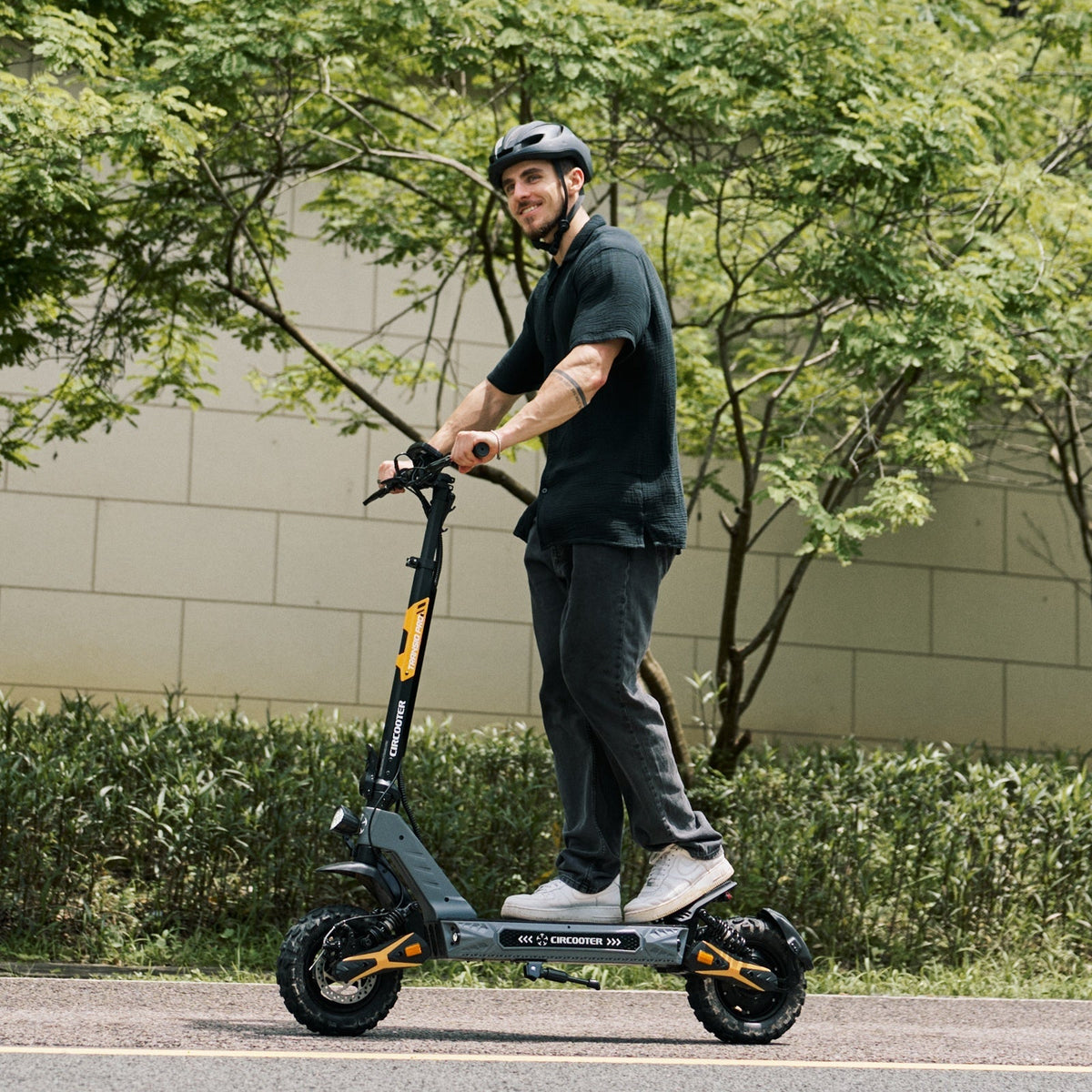
Summer gear should protect you without trapping too much heat. Heavy, non-breathable gear can make hot-weather rides uncomfortable fast.
Choose a ventilated full-face helmet if you ride off-road regularly. It gives better face and jaw protection while still allowing airflow. Light-colored helmets absorb less heat than dark ones.
A mesh riding jacket with armor is a good warm-weather option because it protects shoulders, elbows, and back while allowing air through. If you prefer separate pads, use a moisture-wicking shirt underneath.
For legs, hard-shell knee and shin guards over lightweight shorts can be cooler than full riding pants. Ventilated gloves help with grip, vibration, and palm protection. Sunglasses or tinted goggles protect your eyes from glare, dust, and trail debris.
Avoid cotton. It absorbs sweat and stays wet, which can make you uncomfortable during the ride and chilly when you stop.
Understand How Heat Changes Trail Surfaces
Trail surfaces change in summer. Dry dirt and sand can become looser as heat removes moisture. This reduces traction and makes sharp turns or sudden braking riskier.
Loose dry trails require smoother riding. Reduce speed, brake earlier, and avoid abrupt steering. On sandy or dusty sections, keep your movements steady and let the scooter roll instead of fighting every small shift.
If your route includes pavement, remember that hot asphalt can feel different too. It may soften slightly and affect braking feel. On long descents, brake earlier and avoid dragging the brakes continuously. CIRCOOTER’s guide to hydraulic vs. mechanical brakes is useful if you want to understand why braking setup matters more on rough or heated surfaces.
Tire pressure also changes with heat. Air expands as temperatures rise, so pneumatic tires may run slightly higher in hot conditions. Check tire pressure before the ride, preferably while the tires are still cool.
Adjust Your Riding Technique
Hot-weather off-road riding rewards smooth control. Hard acceleration, sudden braking, and sharp steering all create more risk on loose or hot surfaces.
Use steady throttle. Let the scooter build speed gradually. On climbs, avoid forcing the motor at full power for long stretches. On descents, brake early and smoothly.
Keep your knees slightly bent and your arms relaxed. Your body should help absorb trail movement instead of staying stiff. Look ahead down the trail, not directly at the front tire, so you can react before obstacles arrive.
If you are still comparing scooters for trail use, CIRCOOTER’s guide on urban or trail e-scooter buying decisions explains why motor power, suspension, tires, and brakes matter for mixed riding.
If the trail becomes too loose, steep, or crowded, slow down. Summer riding is more enjoyable when you are not wrestling the scooter every few feet.
Take Care of the Scooter After the Ride
A short post-ride routine helps protect the scooter after hot trail sessions.
Park in shade immediately after the ride. Let the scooter cool before charging. Wipe dust and grit from the frame, tires, brakes, and moving parts. Trail dust can be abrasive, especially when it builds up around joints or brake areas.
Once the tires cool, check pressure again if the ride is long or hot. If the scooter was exposed to heavy dust, clean it before storage.
Also take care of yourself. Rehydrate, rest, and pay attention to how you feel after stopping. Heat fatigue can become more noticeable once the ride is over.
For riders who want an approachable all-terrain model, the CIRCOOTER Mate All-Terrain Electric Scooter fits lighter trail and rough-road use. For more demanding off-road riding, the CIRCOOTER Cruiser Pro is the higher-performance option in the lineup.
Summer Trail Riding Is Worth the Adjustment
Off-road scooter riding in summer heat is worth the extra preparation. Longer daylight, dry trails, and warm weather can make for great rides when you manage the conditions properly.
Ride early when possible, carry enough water, wear breathable protective gear, protect the battery from direct heat, and adjust your technique for loose or sun-heated terrain.
Summer riding does not need to feel punishing. With the right habits and the right scooter setup from the CIRCOOTER electric scooter collection, it can be one of the most enjoyable parts of the year.
What Summer Off-Road Riders Usually Ask
How much does heat reduce scooter range?
On very hot days above 90°F, expect around 5–10% less range, especially on loose terrain, hills, or longer rides.
Is it safe to ride in 95°F weather?
Yes, if you ride early or late, hydrate, wear breathable gear, take shade breaks, and stop if you feel dizzy or nauseous.
Can I leave my scooter in the car?
No. Car interiors can get dangerously hot and may damage the battery. Keep the scooter shaded and ventilated.
Does heat affect braking?
Slightly. Hot pavement and long descents can change braking feel, so brake earlier and avoid riding too aggressively downhill.
What is the best time to ride in summer?
Early morning, around 6 a.m. to 9 a.m., is best. Late afternoon or evening is the next best option.


Leave a comment
All comments are moderated before being published.
This site is protected by hCaptcha and the hCaptcha Privacy Policy and Terms of Service apply.