
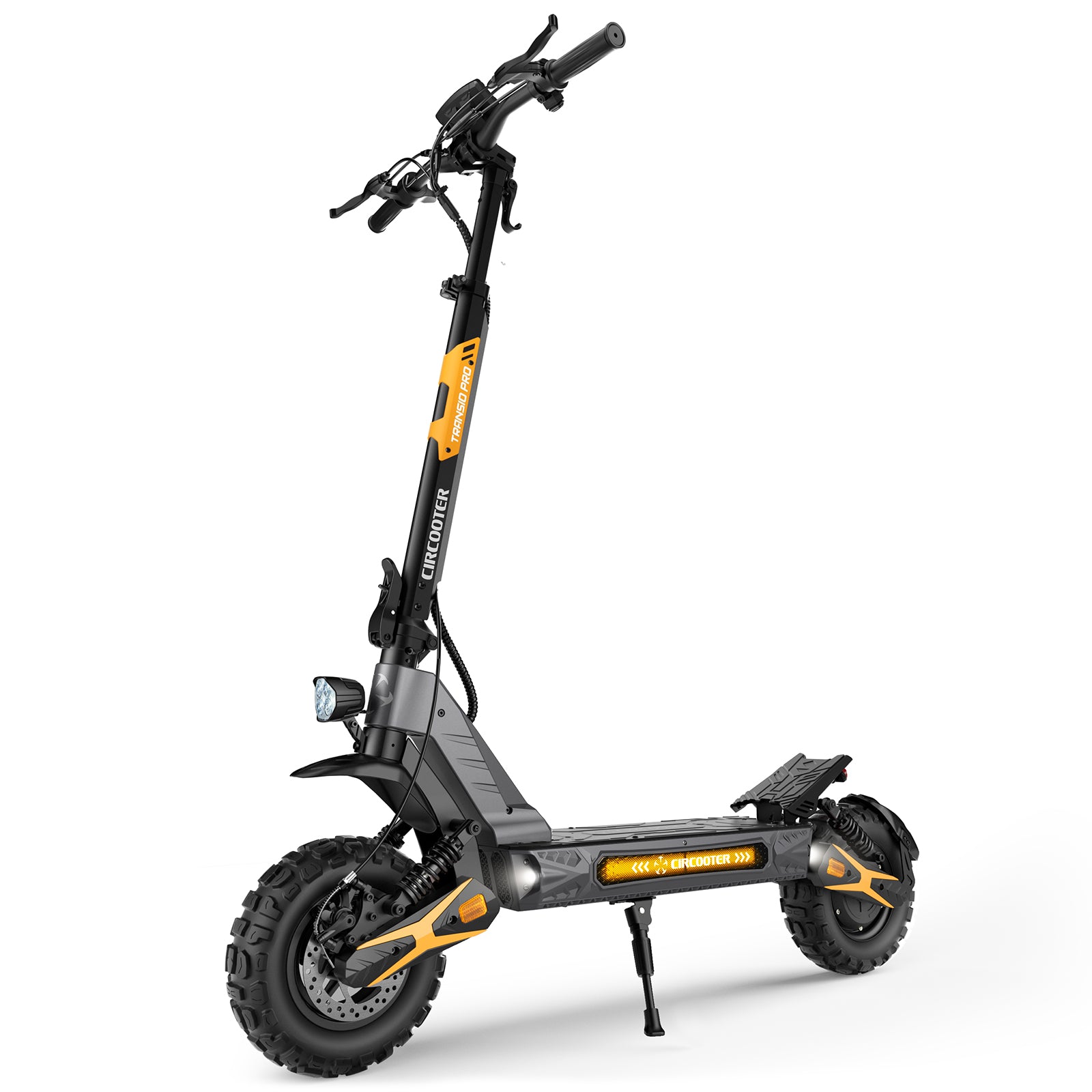
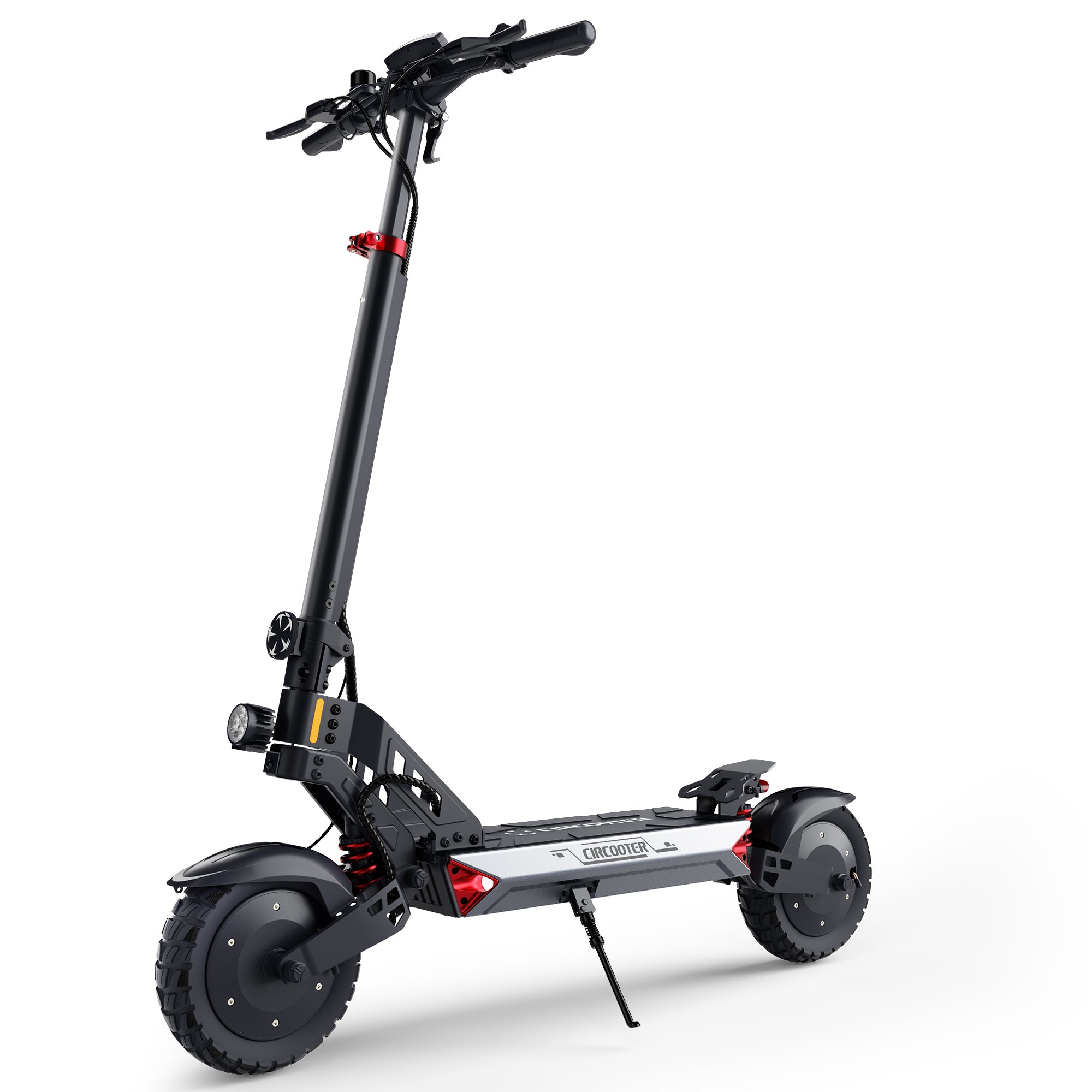
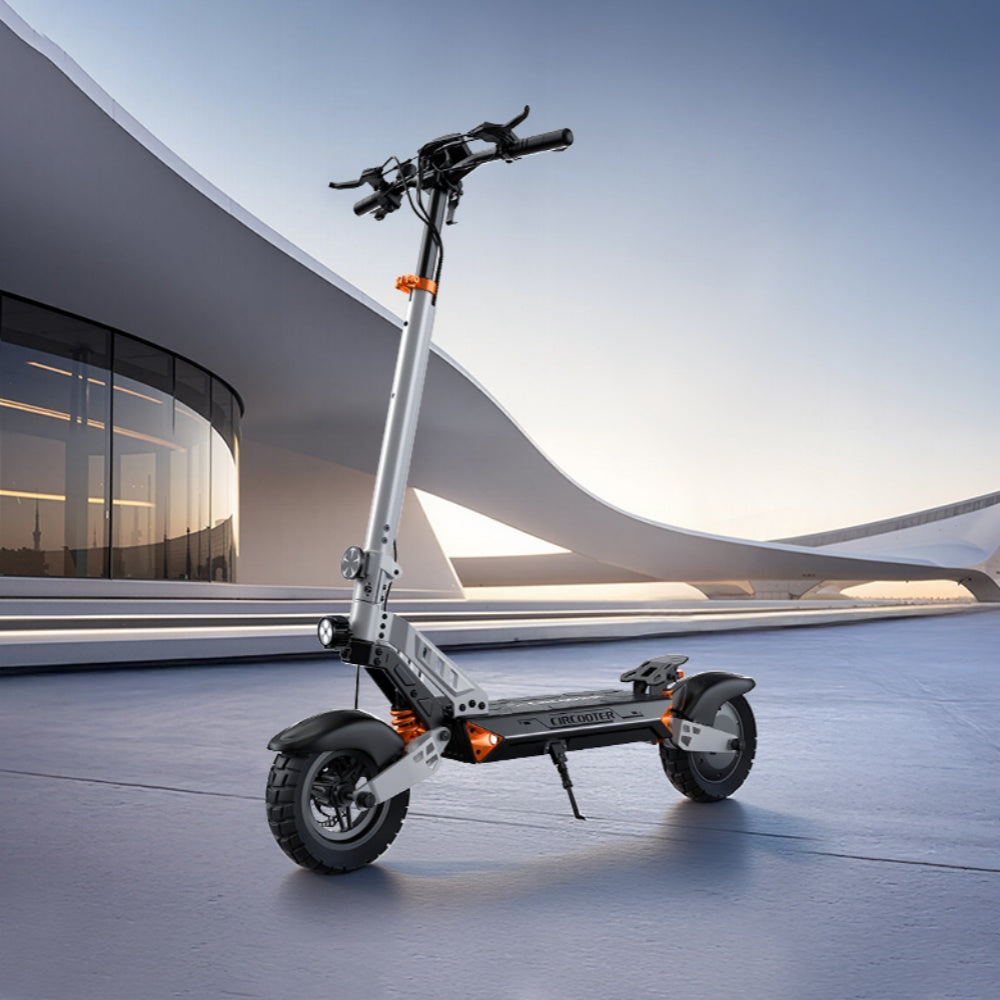
Featured in this post
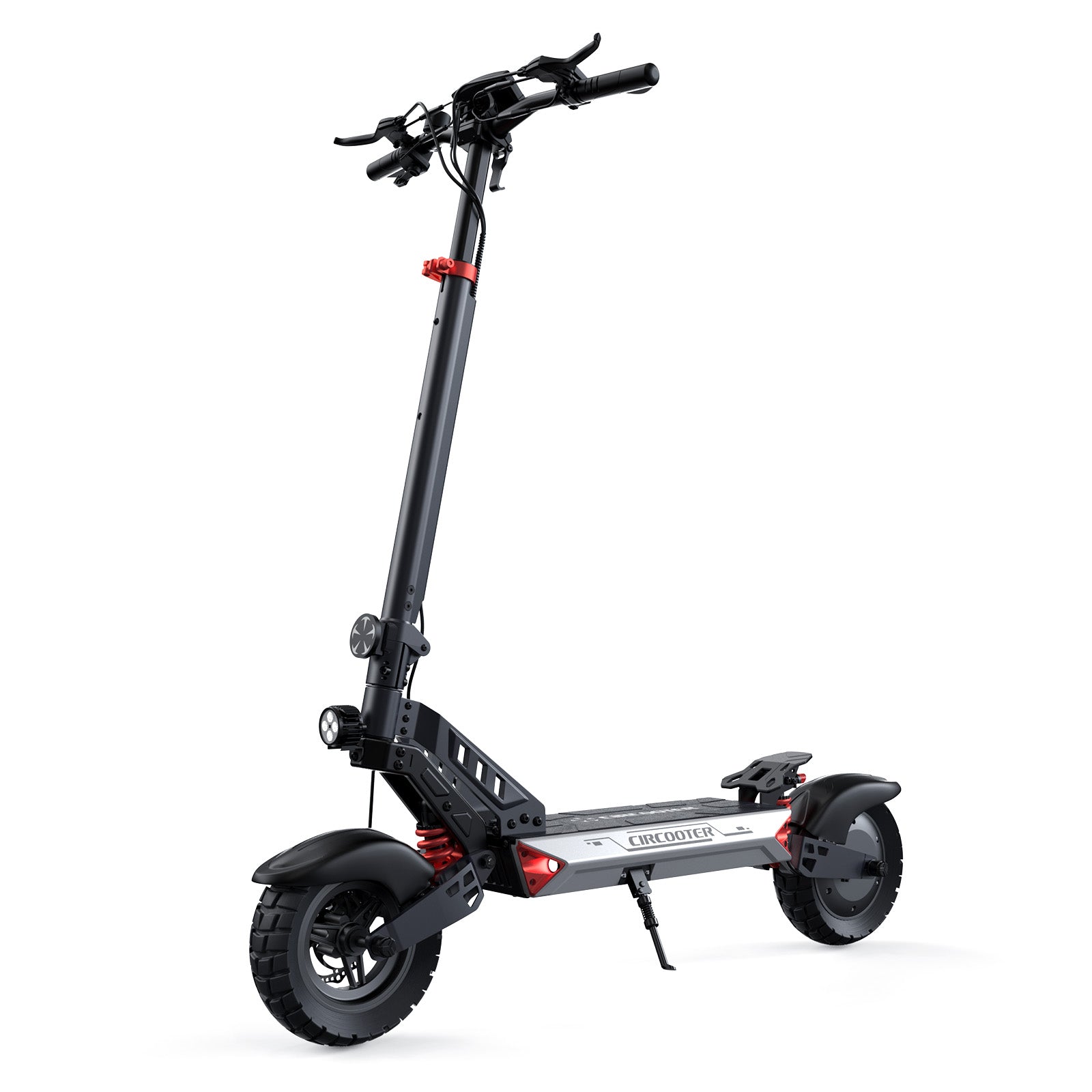
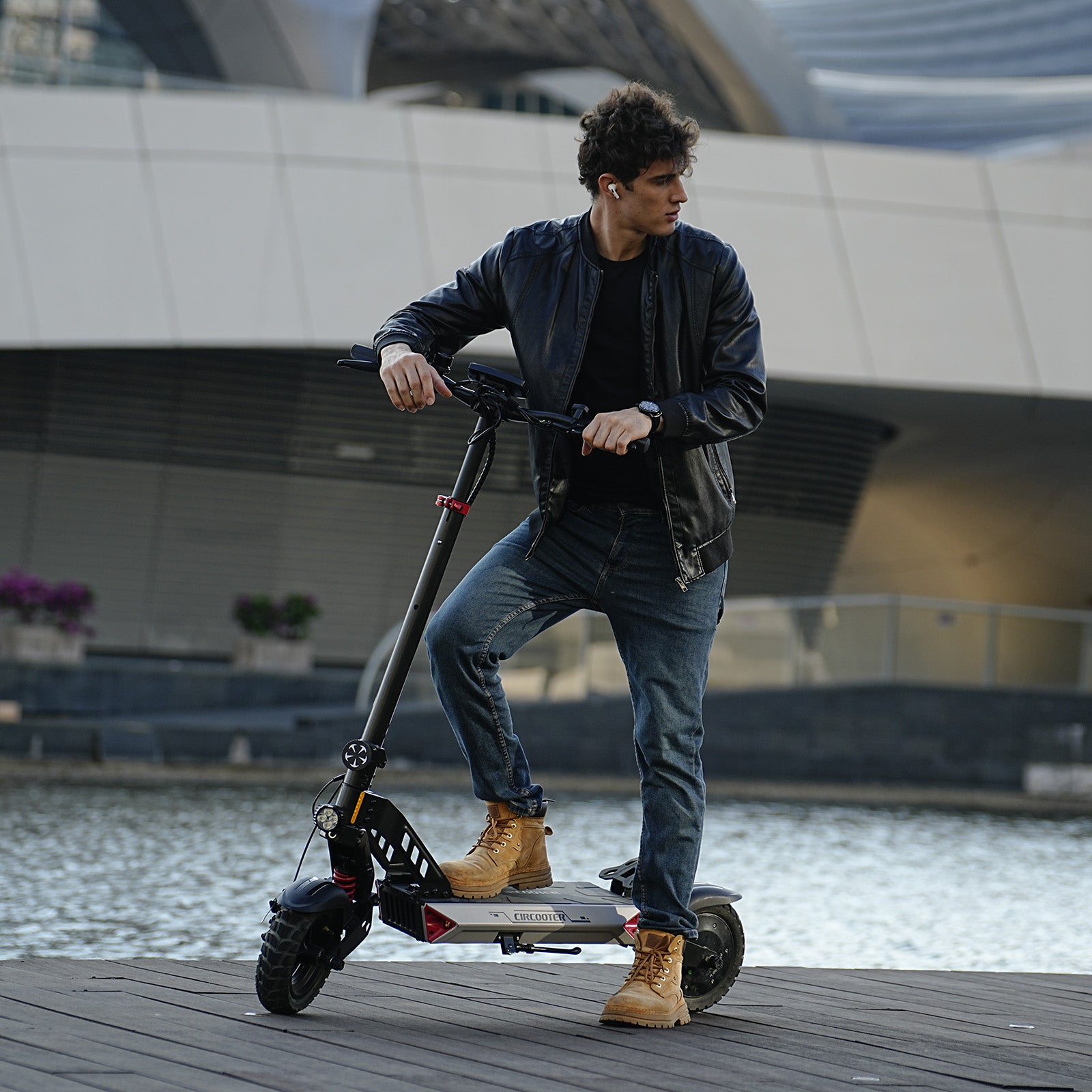
28 MPH
1000W
40 Miles
624Wh
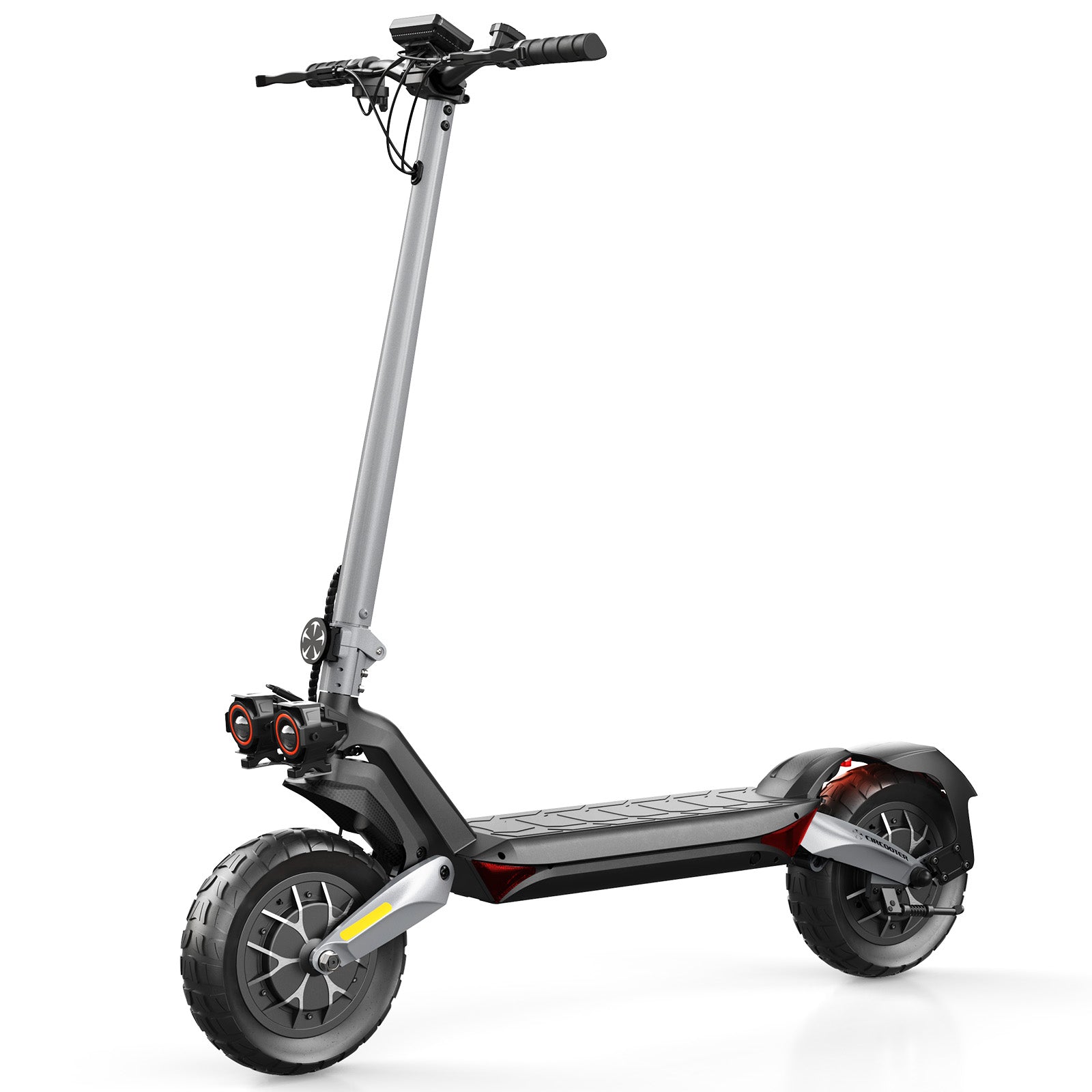
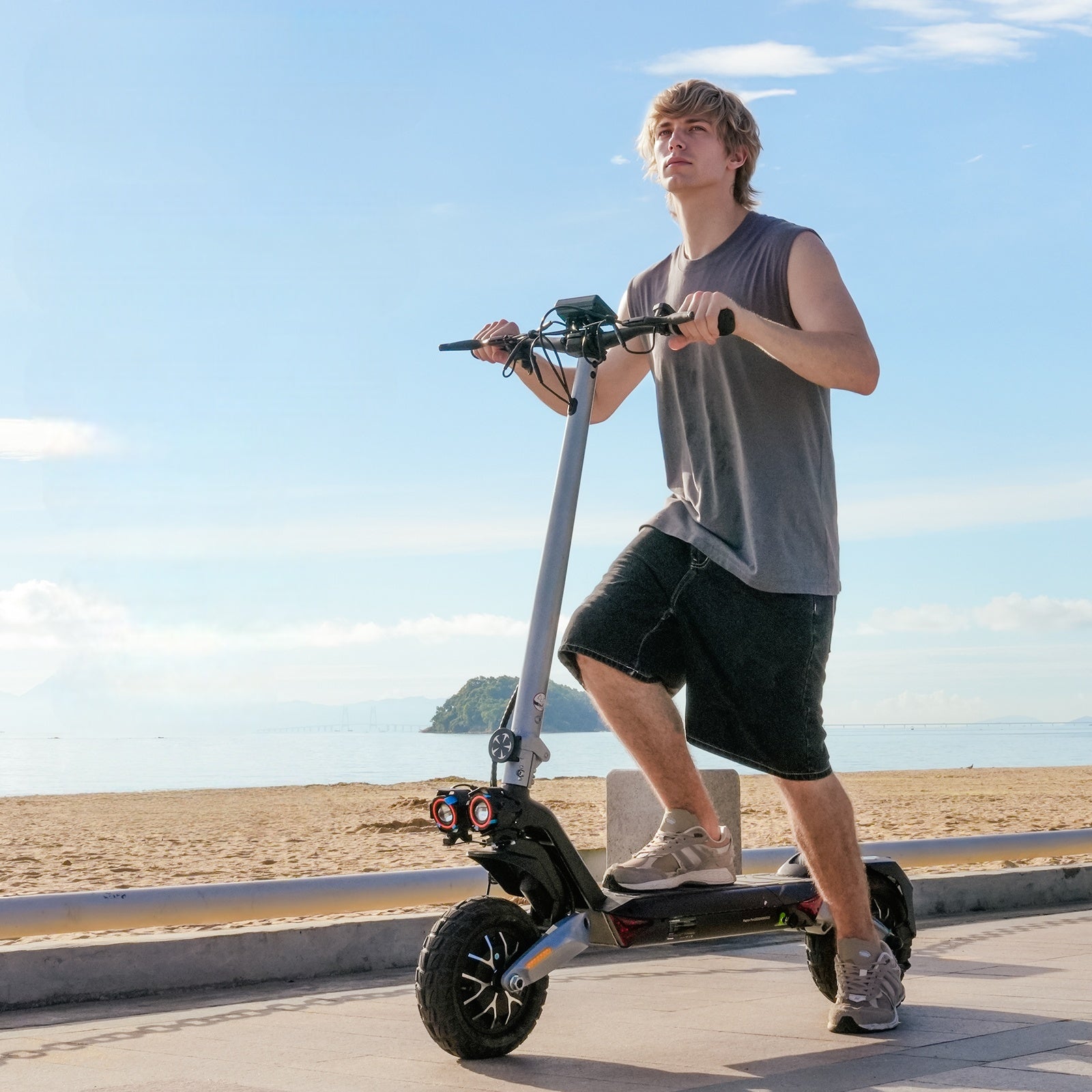
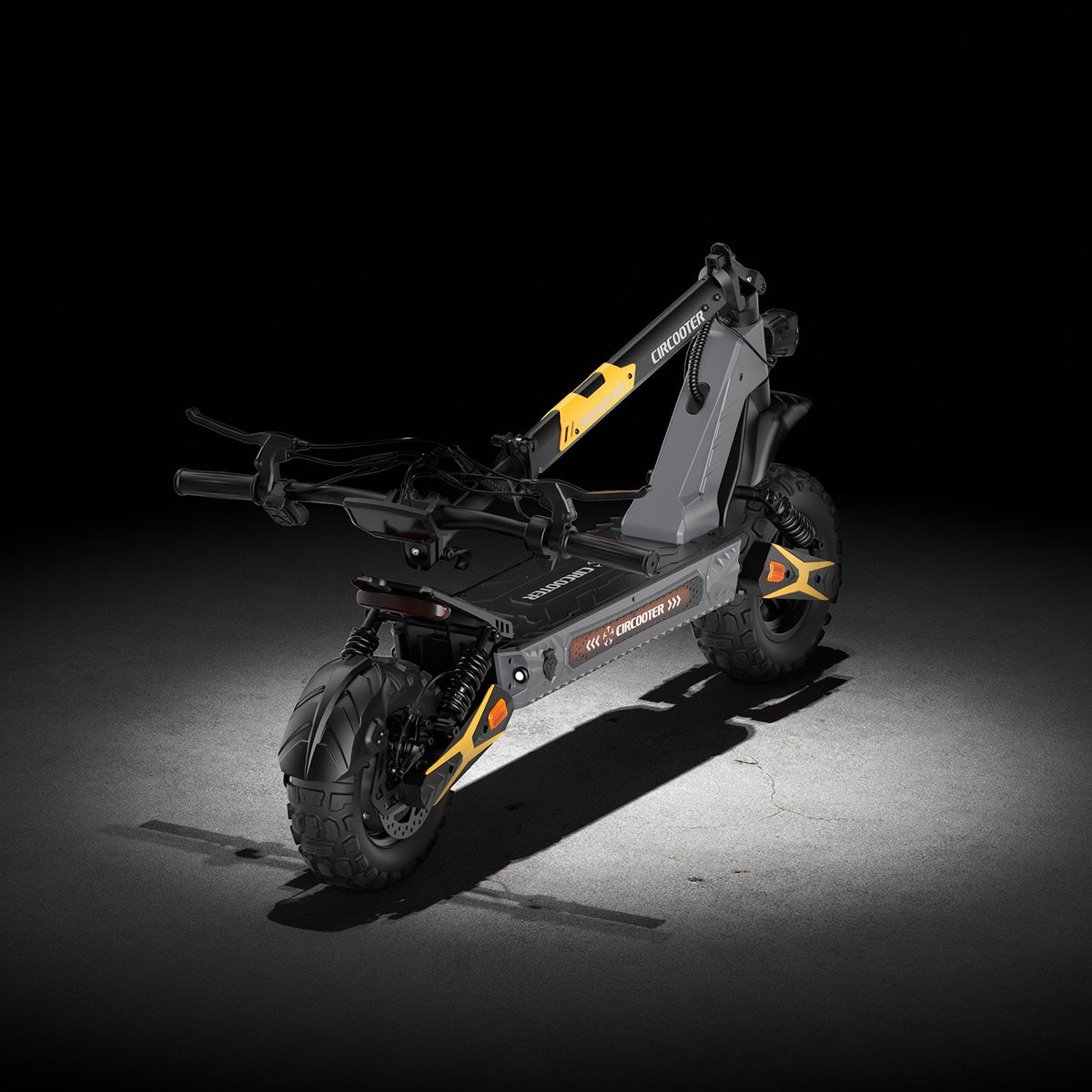
28 MPH
56 Miles
800W*2
960Wh
Earth Day Is Personal This Year
April 22nd tends to bring out a lot of well-meaning social media posts and recyclable shopping bags. And while those things aren't bad, they also don't help with personal carbon output and how you get around every single day.
Transportation accounts for a staggering share of urban emissions, and the frustrating part is that a lot of it is completely avoidable. Not because people don't care, but because the better option has never felt convenient enough to actually choose. That's been changing fast, and electric scooters are a big reason why.
The Real Cost of "It's Just a Short Drive"
Short trips like a quick drive to the pharmacy, a five-minute ride to grab lunch, are sneaky. They feel inconsequential, and they're actually among the least efficient things a car does. Cold engines burn more fuel, traffic lights drag out idle time, and the emissions-per-mile on a short car trip are higher than on a highway cruise.
This is exactly the distance range where e-scooters shine. Under 10 miles, they're not just comparable to a car, they're outright better: faster through traffic, free to park, and putting zero exhaust into the air while doing it. If you're serious about shrinking your footprint, the short trip is the single highest-leverage thing you can change.
Beyond "Zero Emissions": What Going Electric Actually Means
You've probably seen the "zero emissions" claim before, so let's go a bit deeper than the tagline.
No combustion means no exhaust chemistry
Besides CO2, gas engines also produce nitrogen oxides, volatile organic compounds, and fine particulate matter, all of which contribute to smog and respiratory problems. An electric motor produces none of those things. None. It spins, it moves you, and that's it.
The energy comparison is genuinely lopsided
Cars are extraordinarily inefficient machines. Most of the energy in their fuel ends up as heat, not movement. E-scooters convert battery energy into motion at a much higher rate, and because they're lightweight, they need far less energy to begin with. The per-mile electricity cost of riding is almost negligible.
The lifecycle argument holds up, too
Yes, manufacturing batteries has an environmental cost. But e-scooters are small, light, and built with far fewer components than a car. Their total lifecycle emissions from production to daily use to end of life still come in well below any gas vehicle. And as electricity grids incorporate more renewable sources, that advantage grows year after year.
What Changes When More People Ride
Individual action matters, but the real story is what happens at scale. Cities are starting to feel the difference in places where e-scooter adoption has taken hold, and it's not just about emissions.
Traffic gets genuinely lighter. E-scooters take up a fraction of road space compared to cars. When adoption reaches a tipping point in urban areas, congestion decreases meaningfully. This, in turn, reduces the idling and stop-start driving that produces disproportionate emissions.
The noise floor drops. This one surprises people. Urban noise is a chronic stressor, and it's almost entirely engine-driven. A street with more e-scooters and fewer combustion engines is quieter in a way that residents actually notice and appreciate.
Air quality improves at the street level. The people most exposed to vehicle emissions are the ones closest to the road: pedestrians, cyclists, and kids waiting for the school bus. Cleaner vehicles mean cleaner air at exactly the height where people are breathing it.
Circooter's Lineup: Built for Real Riding, Not Just Good Intentions
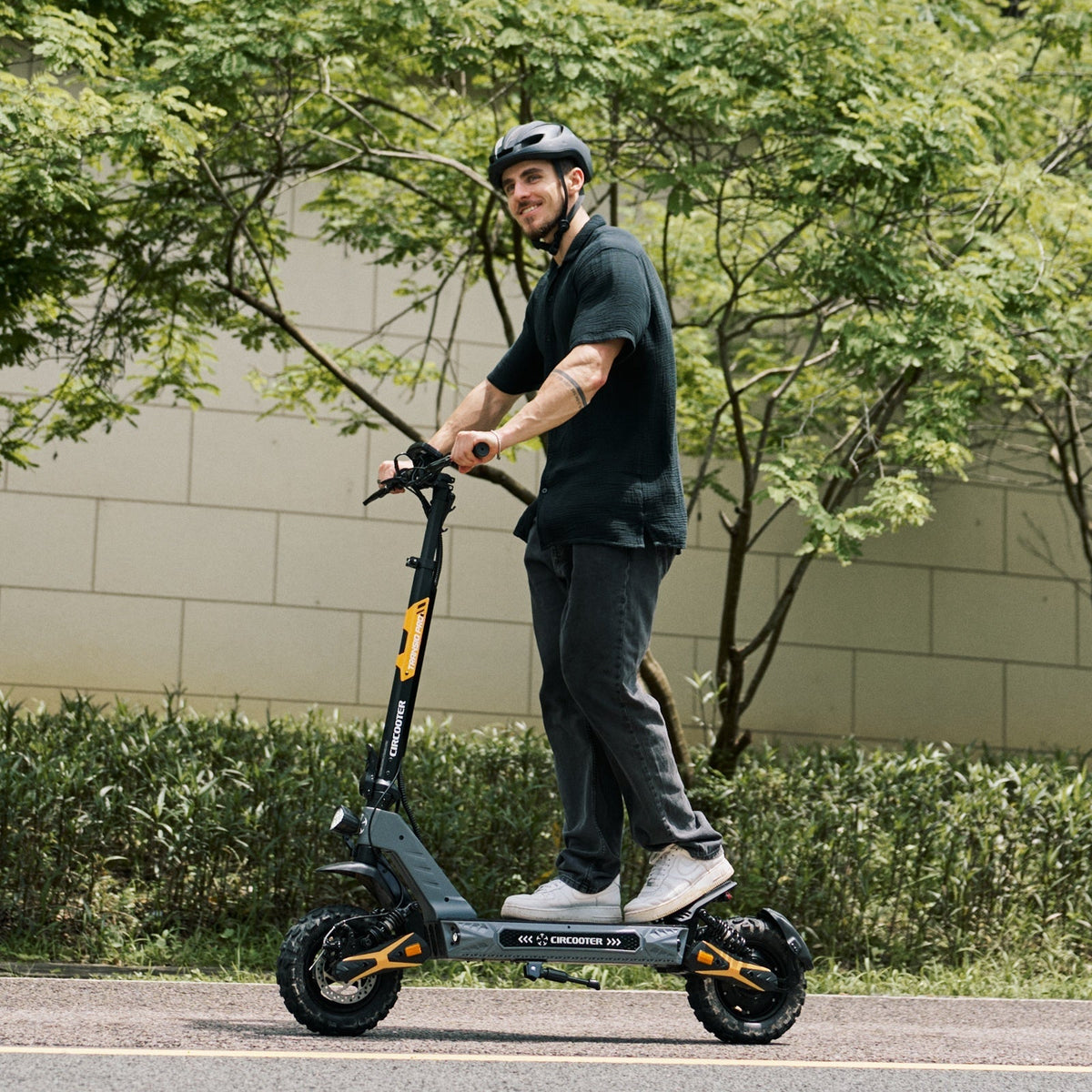
A scooter that sits in a closet because it can't handle your actual commute doesn't help the environment. Circooter designs for real-world conditions, which is why their models cover a wide range of use cases without cutting corners on performance.
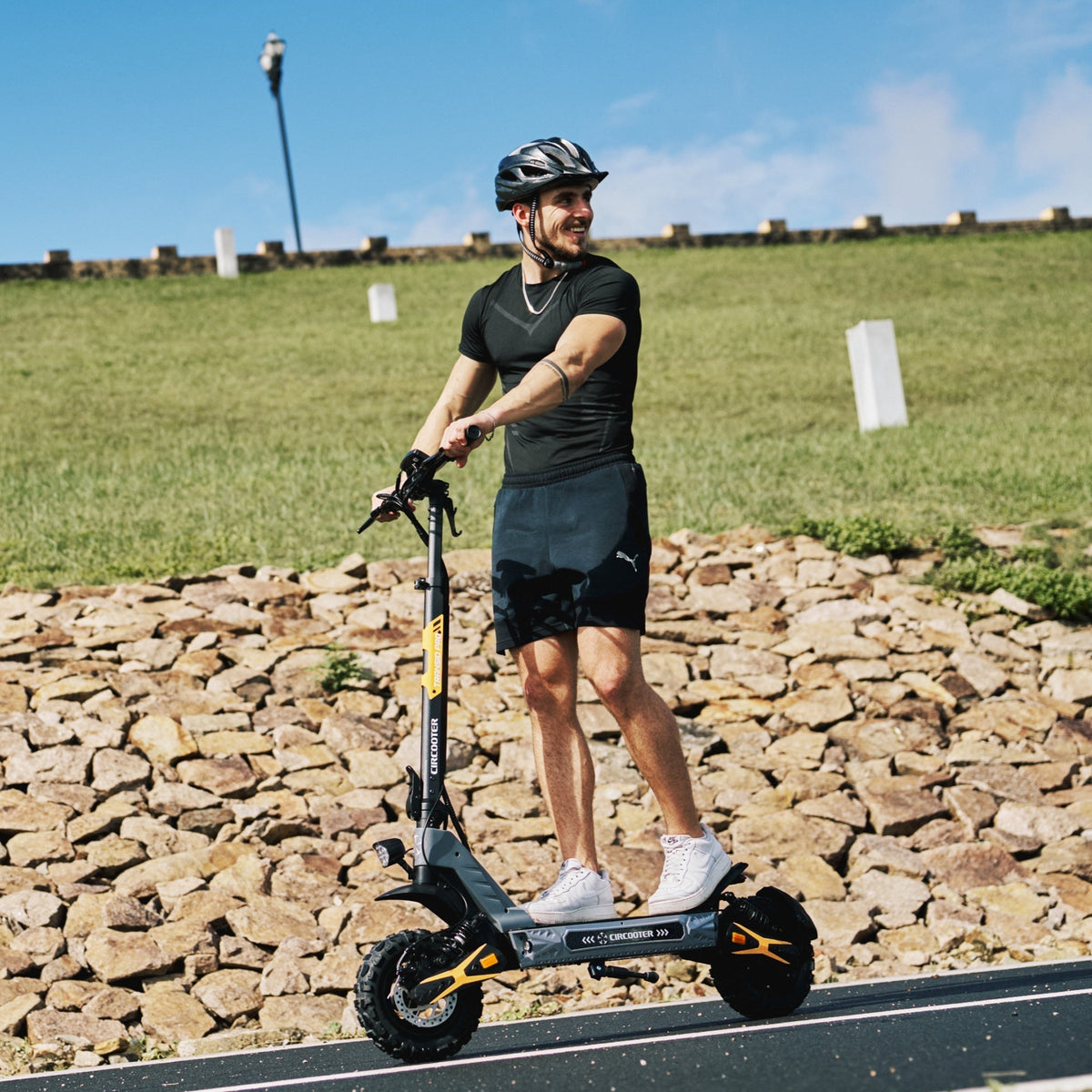
If you're new to e-scooters or mostly navigating urban streets, the Mate All-Terrain Electric Scooter is the natural starting point. It has a 1000W motor power, a 36-mile range, and a build that handles both smooth pavement and rougher city surfaces with equal ease.
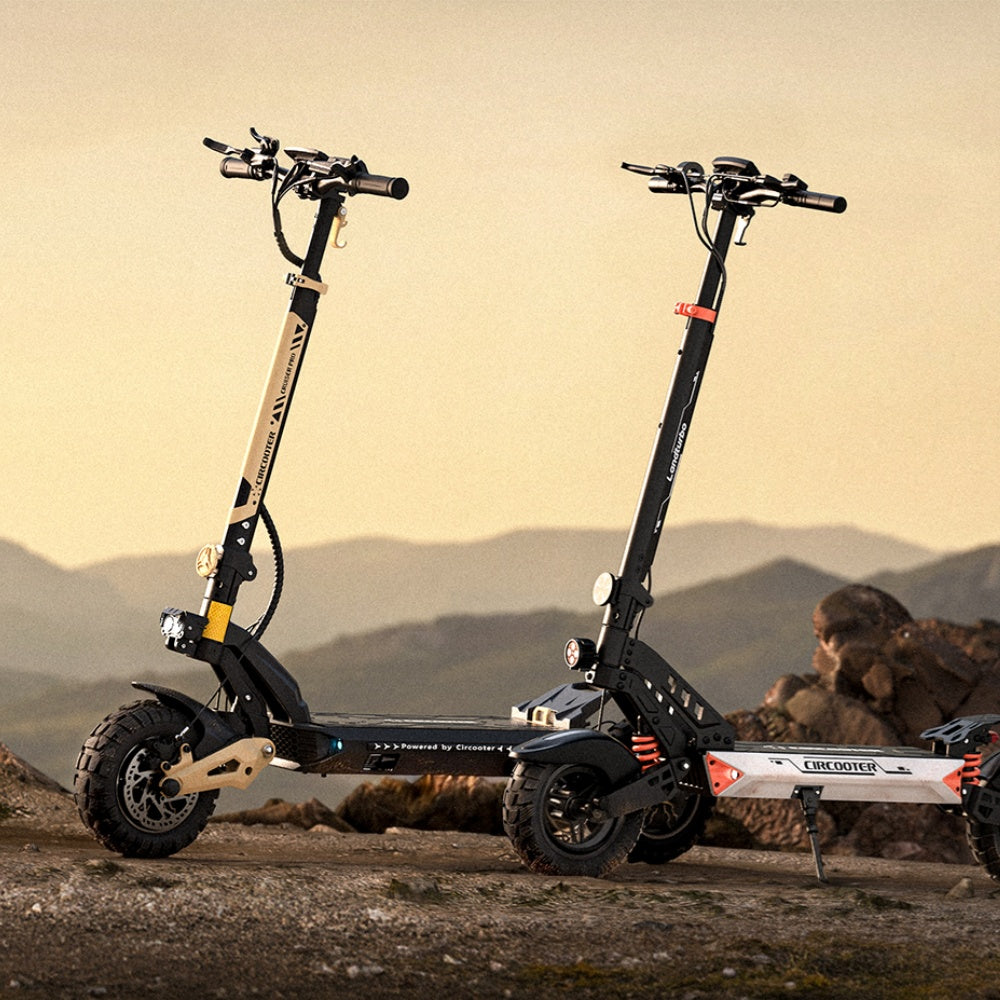
Riders who want more distance and tackle varied terrain will find a strong match in the Landturbo Pro with 1500W peak motor, up to 47 miles per charge, and the kind of build quality that makes longer daily commutes genuinely comfortable.
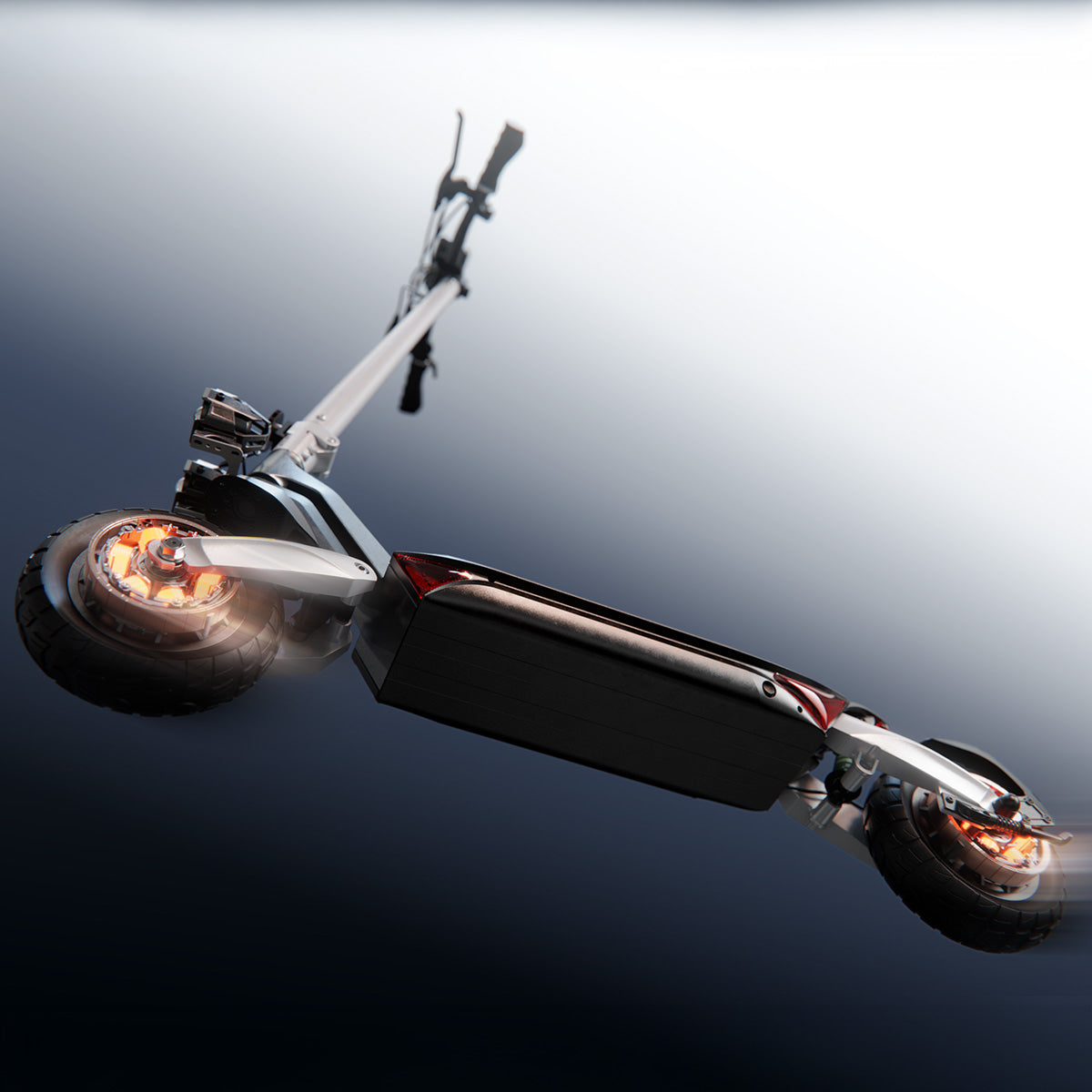
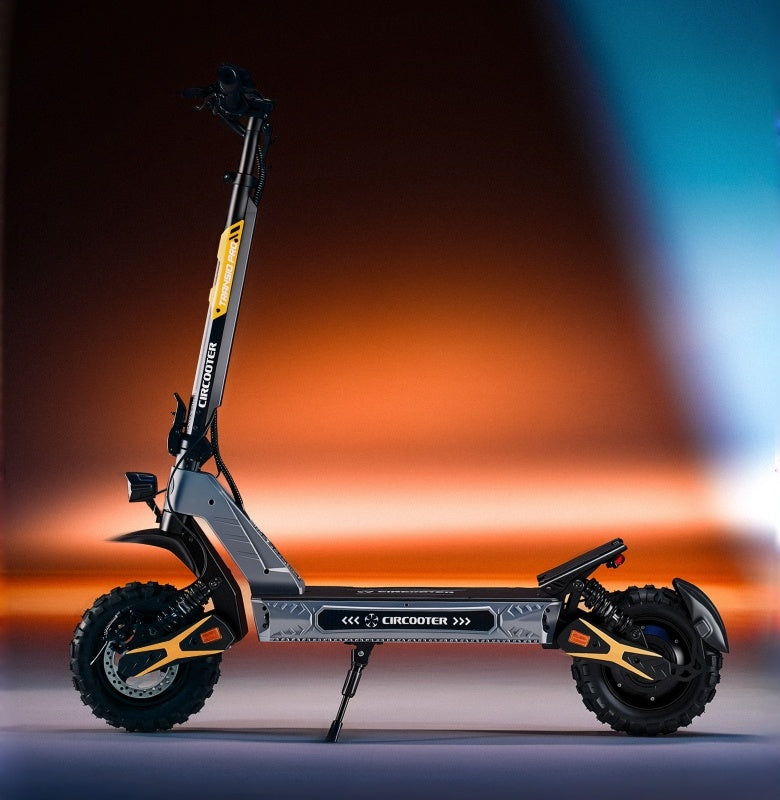
For those who refuse to compromise on performance, the Raptor Pro Dual Motor delivers 56 miles of range with dual 800W motors and hydraulic shock absorption — a setup that handles everything from city streets to weekend trails without breaking a sweat.
Not sure which model fits your riding style? Circooter's electric scooter collection has a full breakdown to help you find the right match.
Getting the Most Green Out of Every Ride
Owning an e-scooter is step one. Getting the most environmental value out of it takes just a bit of intentionality.
Charge smart
If you have access to solar or your utility offers renewable energy options, that's worth using. Even charging overnight makes a difference because when grid demand is lower, cleaner energy sources often make up a larger share of the mix.
Maintain your battery properly
A degraded battery means shorter range, more frequent charges, and eventually an earlier replacement. Keeping it in good shape is both eco-friendly and economically sensible. Circooter's guide on 5 hacks to boost your speed and range covers practical ways to protect battery health over time.
Use it to replace drives, not walks
The carbon math works in your favor when an e-scooter replaces a car trip, not when it replaces a walk you would have taken anyway.
Know your brakes
Safe riding keeps e-scooters viable and welcomed in more places. If you want to understand the difference between braking systems, Circooter's breakdown of hydraulic vs. mechanical brakes is worth a read before you hit top speed.
This Earth Day, Do the Inconvenient Thing
The cleanest action is rarely the easiest one to start. Driving is convenient. It's fast, it's familiar, and the alternatives always feel like they require something extra from you.
But "extra" turns out to be pretty small once you've done it a few times. Most people who switch to an e-scooter for daily commuting report that within a week or two, it stops feeling like a sacrifice and starts feeling like the obvious choice. Less time stuck in traffic, no parking stress, lower costs, and the quiet satisfaction of knowing that your commute isn't slowly poisoning the air around you.
Earth Day is a good excuse to try it and build this new healthy habit.
The Short Version
Cutting your transportation emissions doesn't require a lifestyle reinvention. It requires a vehicle that actually fits your daily trips, something light, efficient, and ready to go whenever you are.
Circooter builds exactly that. Zero tailpipe emissions, real-world range, terrain-ready designs, and a lineup that covers everything from city commutes to weekend adventures. Whether you're celebrating Earth Day or just done paying for gas, the switch makes sense.
Browse the full lineup and find your ride here.
Things People Usually Ask
Do e-scooters actually make a dent in emissions, or is it a drop in the bucket?
Every car trip replaced by an e-scooter eliminates roughly 0.9 lbs of CO2 per mile. Do that 10 miles a day, five days a week, and you're cutting over 200 lbs of emissions a month. Multiply that across thousands of daily riders, and it becomes a very meaningful number.
What's the running cost compared to a car?
Electricity for an e-scooter costs just a few cents per charge, which is often under $0.10 to cover 30+ miles. Compare that to the fuel, insurance, maintenance, and parking costs of a car, and the savings are significant from day one.
Are Circooter scooters good for off-road riding, or just city streets?
Both, depending on the model. The Mate handles mixed terrain well, while the Landturbo Pro, Raptor Pro, and Cruiser Pro are purpose-built for off-road performance. Their wide tires, dual motors, and suspension systems are designed for trails and uneven ground.
How long does a Circooter battery last before it needs replacing?
With proper care, most e-scooter batteries hold up well for several years of regular use. Avoiding full discharge cycles, storing at moderate temperatures, and not leaving it plugged in indefinitely all extend battery life meaningfully.
Is it worth switching to an e-scooter if I only commute a few days a week?
Absolutely. Even part-time use adds up over months and years, both in emissions avoided and money saved. Many riders start with two or three days a week and end up switching over almost entirely once the habit clicks.


Leave a comment
All comments are moderated before being published.
This site is protected by hCaptcha and the hCaptcha Privacy Policy and Terms of Service apply.