


Plan Before You Ride. Your Trail Will Thank You
Good off-road scooter route planning starts before you ever touch the throttle. The core process is straightforward: identify your terrain, confirm your scooter can handle it, calculate battery range with a realistic buffer, check current trail conditions, and have a clear turnaround point before you leave. Riders who do this consistently have better sessions because they spend their time riding instead of problem-solving mid-trail, not because they're more cautious.
Step 1: Know Your Terrain Before You Get There
The single most useful thing you can do before any off-road ride is understand what surface you're actually going to encounter. Trail names and descriptions are often vague; what matters is surface type, grade, and how technical the terrain is.
The three questions to answer about any trail:
What's the surface?
Packed dirt, loose gravel, sand, rocky singletrack, and mixed terrain all behave differently and have different hardware requirements.
What's the grade?
A trail that's "mostly flat with some hills" could mean anything. Try to find elevation profiles before committing to a route — both the maximum grade and how sustained the climbing is matter for battery and motor planning.
Is it currently rideable?
A trail that's great in dry conditions can become genuinely dangerous after rain. Check recent rider reviews or local trail condition apps before heading out, especially in seasons where conditions change fast.
Circooter's California off-road trail guide maps specific trails to specific hardware requirements. It’s a useful reference for understanding how to match route difficulty to your scooter's capability.
Step 2: Match the Route to Your Scooter's Actual Capability
Not every scooter belongs on every trail. Route planning has to account for what your specific model can handle and be honest about where it reaches its limits.
Hardware-to-terrain matching basics:
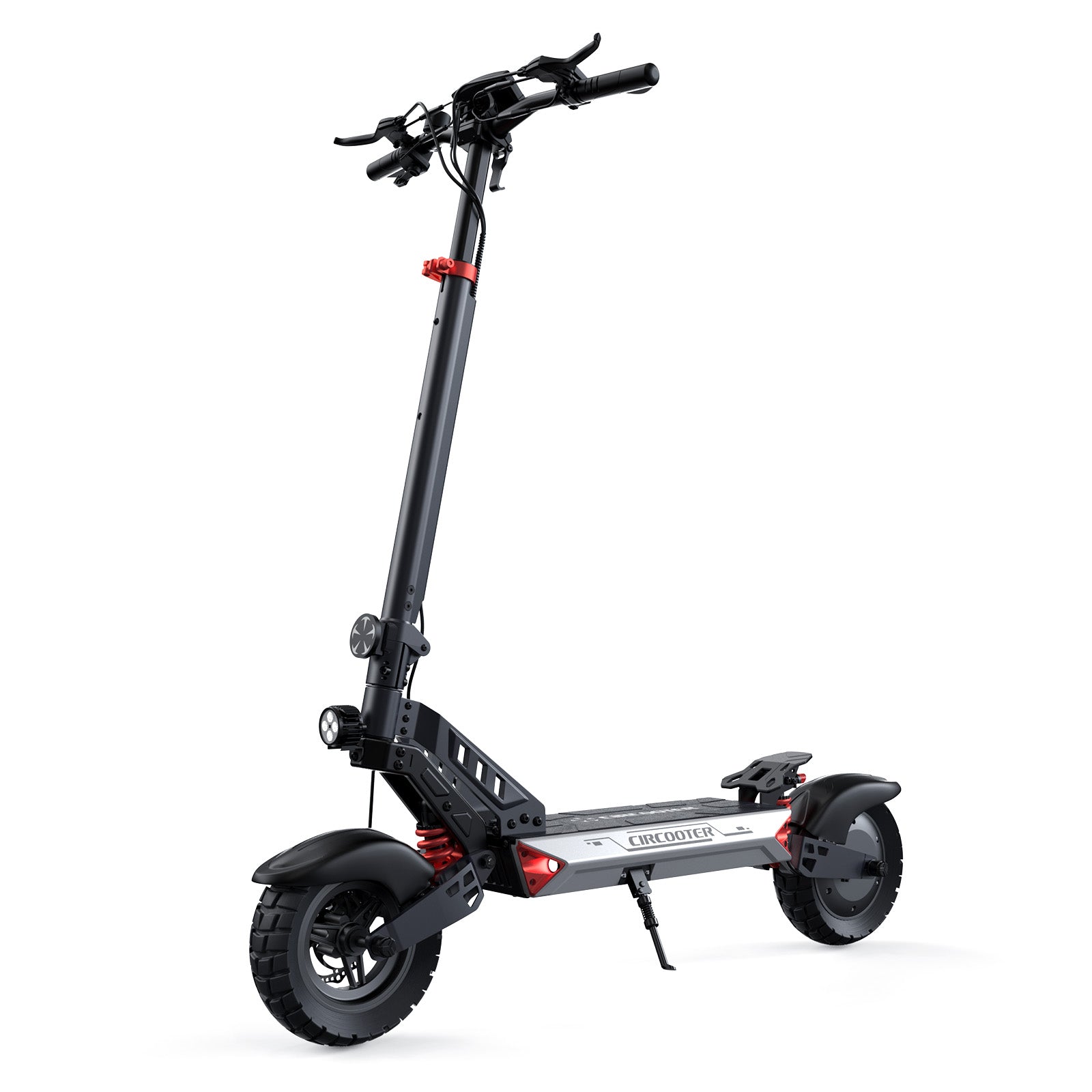
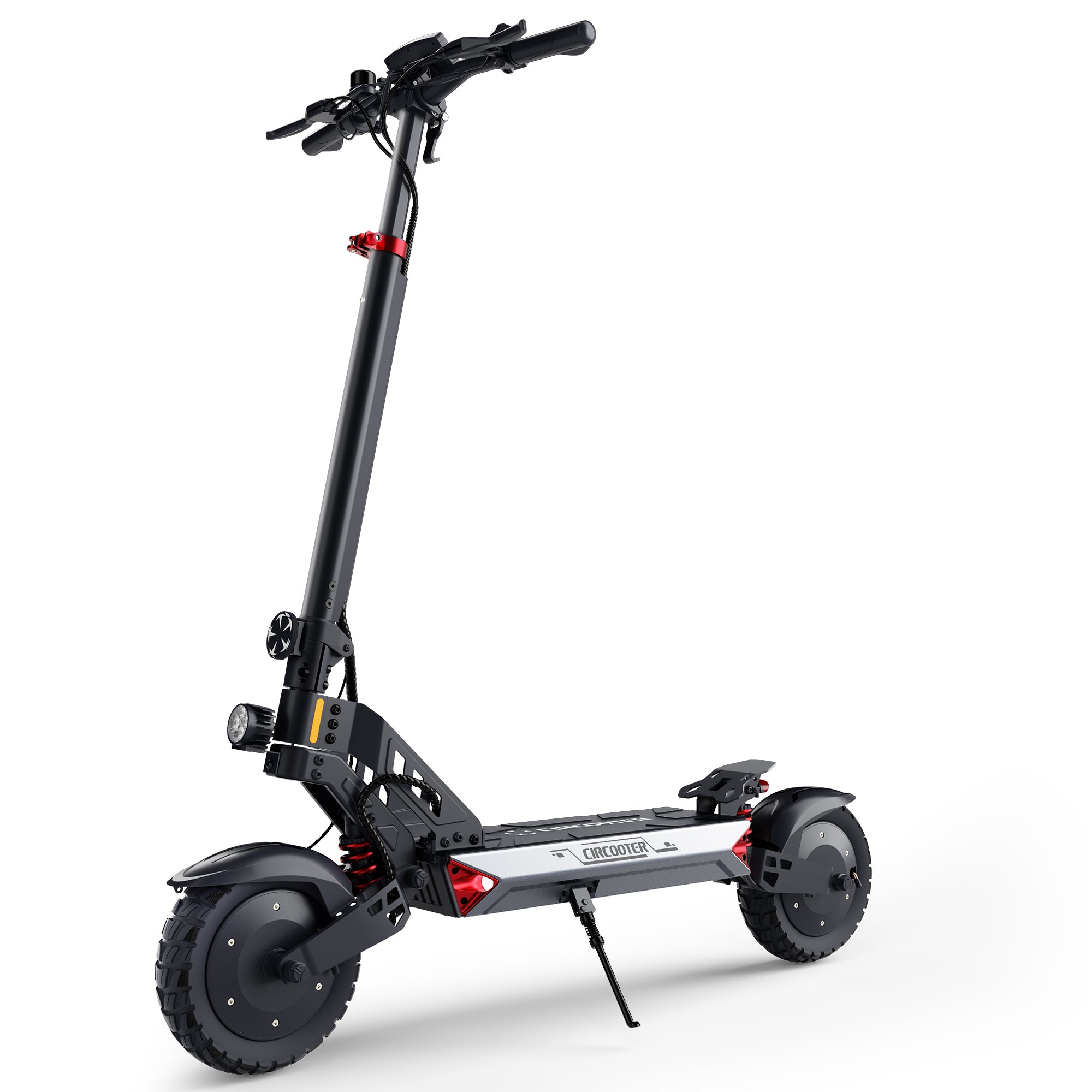
The Landturbo Pro's 1500W peak motor and dual suspension expand the terrain envelope — steeper grades, rougher surfaces, and more technical trails fall within its range. Its 47-mile rated range translates to roughly 30 to 35 miles on demanding off-road terrain.
The Raptor Pro with dual 800W motors and 11-inch off-road tires handles the most demanding terrain like loose surfaces, 30% grades, and technical rocky trails. Its 56-mile rated range covers longer sessions with enough buffer for demanding conditions.
A trail that works perfectly for the Raptor Pro may genuinely exceed the other models' capability on sustained climbs or loose surfaces. Plan your route to your hardware, not to what sounds achievable in the abstract.
Step 3: Do the Battery Math Honestly

Battery range is the variable that most commonly ends off-road sessions early. The math is simple but requires honest inputs.
Off-road terrain drains batteries 20-35% faster than flat pavement, depending on conditions:
- Packed flat dirt: 15-20% above flat pavement consumption
- Mixed terrain with moderate grades: 20-30% above flat
- Loose surfaces or sustained climbing: 30-40% above flat
The planning formula: Take your scooter's rated range, reduce it by 30% for typical off-road conditions, then plan your turnaround point at 50% battery remaining and not lower. This leaves a comfortable buffer for the return trip, unexpected detours, and the battery drain that ECO mode alone can't fully offset on the way back.
For a scooter with a 25-mile rated range, expect 17-18 off-road miles realistically. Set your turnaround at 8-9 miles from your start. That's your planning window.
Step 4: Try Apps and Tools That Actually Help
A few specific tools make off-road route planning significantly easier:
For trail finding and condition reviews:
- AllTrails - wide trail database with difficulty ratings, surface descriptions, and user condition reports. Filter by difficulty and length to find routes that match your skill and battery.
- Trailforks - more technically detailed than All
- Trails for mountain biking and off-road use; includes surface type and recent rider reports.Komoot - strong for route building with surface type filtering; lets you see elevation profiles and estimated riding time before committing.
For route building:
- Google Maps satellite view - underused for trail planning; zoom in on the trail path to see surface conditions, shade, and whether the trail is genuinely continuous or broken.
- Google Street View - for any section that crosses or follows a road, Street View shows actual surface conditions that trail descriptions miss.
Download your planned route offline before leaving, since trail environments often have patchy or no cell coverage, and navigation apps that depend on live data are unreliable where you need them most.
Your Pre-Ride Planning Checklist
Run through this before every off-road session:
- Route confirmed - surface type, grade, estimated distance, turnaround point identified.
- Battery level - full charge before leaving; if not, adjust planned distance accordingly
- Scooter check - tire pressure, both brakes, folding mechanism bolts, battery level on display
- Weather check - current and forecast for the duration of your planned ride; conditions change faster in outdoor environments than in cities
- Offline maps downloaded - don't rely on live navigation on trail.
- Someone knows your route - tell someone where you're going and when you expect to return if you're riding alone in a remote area.
- Emergency plan - know the nearest exit point from the trail if you need to cut the ride short.
Circooter's safety tips guide covers pre-ride preparation in detail and is worth reviewing alongside your route planning process.
Plan Well, Ride Better
The best off-road sessions aren't the ones where you pushed hardest; they're the ones where everything went smoothly because the planning was solid. Knowing your terrain, matching it to your hardware, doing honest battery math, and having a clear turnaround point removes the variables that turn enjoyable rides into stressful ones. Do that preparation consistently, and the trail itself gets to be the focus, not the logistics.
What Riders Want to Know
How do I find trails suitable for off-road e-scooters?
Sites such as AllTrails and Trailforks both let you filter by difficulty, surface type, and length. Look for trails rated "easy" to "moderate" as starting points and check recent user condition reports before riding.
How far should I plan my off-road route based on my scooter's range?
Use 65-70% of your rated range as the real-world off-road figure, then set your turnaround at 50% battery remaining. This gives you a comfortable margin for the return trip and any unexpected conditions.
What's the most important thing to check before an off-road route?
Current trail conditions, such as a great trail in dry weather, can be genuinely hazardous after recent rain; user reviews from the past few days give you the most accurate picture.
Do I need offline maps for off-road riding?
Yes. Most trail environments have patchy or no cell coverage; download your planned route to your phone before leaving so navigation works without a live connection.
How do grades affect my battery planning?
Sustained climbing drains batteries 30-40% faster than flat terrain; if your route includes significant elevation gain, reduce your planned distance further and use ECO mode on the ascents to preserve range for the return trip.









Leave a comment
All comments are moderated before being published.
This site is protected by hCaptcha and the hCaptcha Privacy Policy and Terms of Service apply.