
What You Actually Need for Summer Trail Riding
The best electric scooter gear for summer trail riding should balance protection and heat management. Riders still need a helmet, gloves, eye protection, and impact protection, but that gear should be lightweight, breathable, and practical for warm weather.
Summer trail riding is different from city riding. Dirt paths, gravel, loose sand, roots, and uneven ground can all increase the chance of slips or falls. At the same time, heat can affect focus, reaction time, hydration, and scooter performance. The right gear helps you ride longer without feeling overheated or under-protected.
A good summer trail setup does not need to be complicated. Focus on a ventilated helmet, moisture-wicking clothing, protective pads, gloves, eye protection, water, sunscreen, and a few scooter care habits.
Helmet: Ventilation Matters in Heat
A helmet is essential in every season. In summer, ventilation becomes especially important because a hot helmet can make a ride uncomfortable and distracting.
Look for a helmet with real airflow, not just small decorative vents. A removable, washable liner is also helpful because summer riding means sweat. Light-colored helmets are better for hot weather because they absorb less heat than black or dark designs.
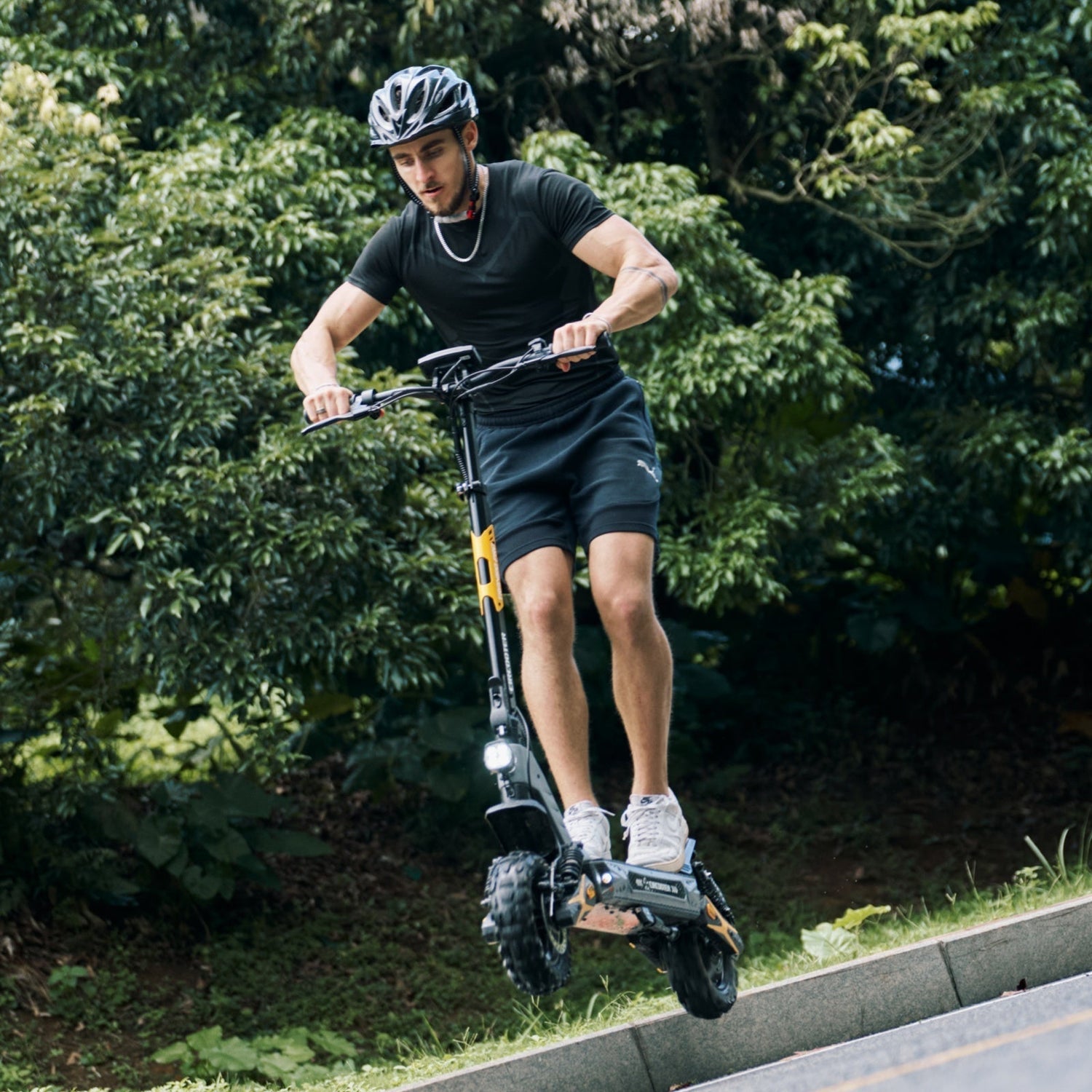
For trail riding, a ventilated full-face helmet is worth considering. Capable off-road scooters can reach higher speeds, and trail falls are less predictable than smooth-road spills. Chin and jaw protection can matter, especially on gravel, dirt, or rocky paths.
Replace your helmet after a serious impact. Also check it regularly because sun exposure and age can weaken materials over time.
Clothing: Stay Covered Without Overheating
Summer riding clothing should protect your skin while allowing airflow. Avoid cotton because it absorbs sweat and stays wet, which can make you uncomfortable during and after the ride. Moisture-wicking synthetic fabrics or lightweight merino layers are better choices.
A mesh riding jacket is a strong option for trail riders because it offers abrasion resistance and impact protection while still allowing air to move through. If a jacket feels too warm, a moisture-wicking shirt with separate elbow and shoulder protection can also work.
For the lower body, many riders prefer lightweight shorts with knee and shin guards. This gives impact protection without the heat of full riding pants. Look for guards with ventilated backing so they do not trap heat against your legs.

Essential Summer Trail Riding Checklist
A good summer trail kit should cover hydration, sun protection, grip, visibility, and emergency comfort.
Bring water every time. For short rides, 500 ml may be enough. For rides longer than 45–60 minutes, bring 1 L or more. A handlebar bag could help you carry your bottle.
Use sunscreen before the ride, especially on your neck, arms, face, and hands. SPF 30 or higher is a practical starting point.
Wear sunglasses or tinted goggles to reduce glare and protect your eyes from dust, wind, bugs, and trail debris. Wraparound lenses or goggles are better than loose casual sunglasses.
Ventilated gloves are also important. They improve grip when your hands sweat, reduce vibration, and protect your palms if you fall.
Light-colored outer layers can make a noticeable difference on exposed trails because they reflect more sunlight than dark clothing.
Protecting Your Scooter in Summer Heat
Summer heat affects the scooter too, especially the battery, tires, and display. If you ride trails in hot weather, scooter care should be part of your gear plan.
Do not charge the scooter immediately after a hot ride. Let the battery cool for 20–30 minutes first. Charging a hot lithium-ion battery can add stress and may shorten long-term battery life.
Avoid leaving the scooter in direct sunlight between rides. Shade is better for the battery, display, grips, and tires. If you are taking a break, park the scooter under a tree, shelter, or covered area when possible.
Expect range to drop slightly in extreme heat. Hot weather, loose surfaces, hills, and higher speeds can all make the battery drain faster. Plan your route with a buffer instead of riding until the battery is nearly empty.
Tire pressure also matters. Heat can increase tire pressure as the air expands, so check pressure before the ride. Pneumatic tires, like those on many off-road scooters, perform best when pressure is kept within the recommended range.
Direct sunlight can also make displays harder to read. If the screen is washed out, slow down or stop briefly before checking battery level or speed.
Time Your Rides Around the Heat
One of the smartest summer trail riding habits is riding early or late. Midday heat is usually the hardest on both the rider and scooter. Trails often feel much cooler in the morning, and the difference can be significant.
If possible, ride before 10 a.m. or later in the afternoon. Early rides also tend to be calmer, with fewer people on trails and less direct sun.
If you must ride at midday, shorten the session, take shade breaks, and bring more water than usual. Do not treat heat exhaustion like something you can simply push through. Once you feel dizzy, nauseous, weak, or unusually tired, the ride should pause or end.
Match Gear to the Scooter and Terrain
The more demanding the scooter and terrain, the more serious your gear should be. A short ride on a smooth packed trail does not need the same setup as a long ride on loose dirt, rocky paths, or sandy routes.
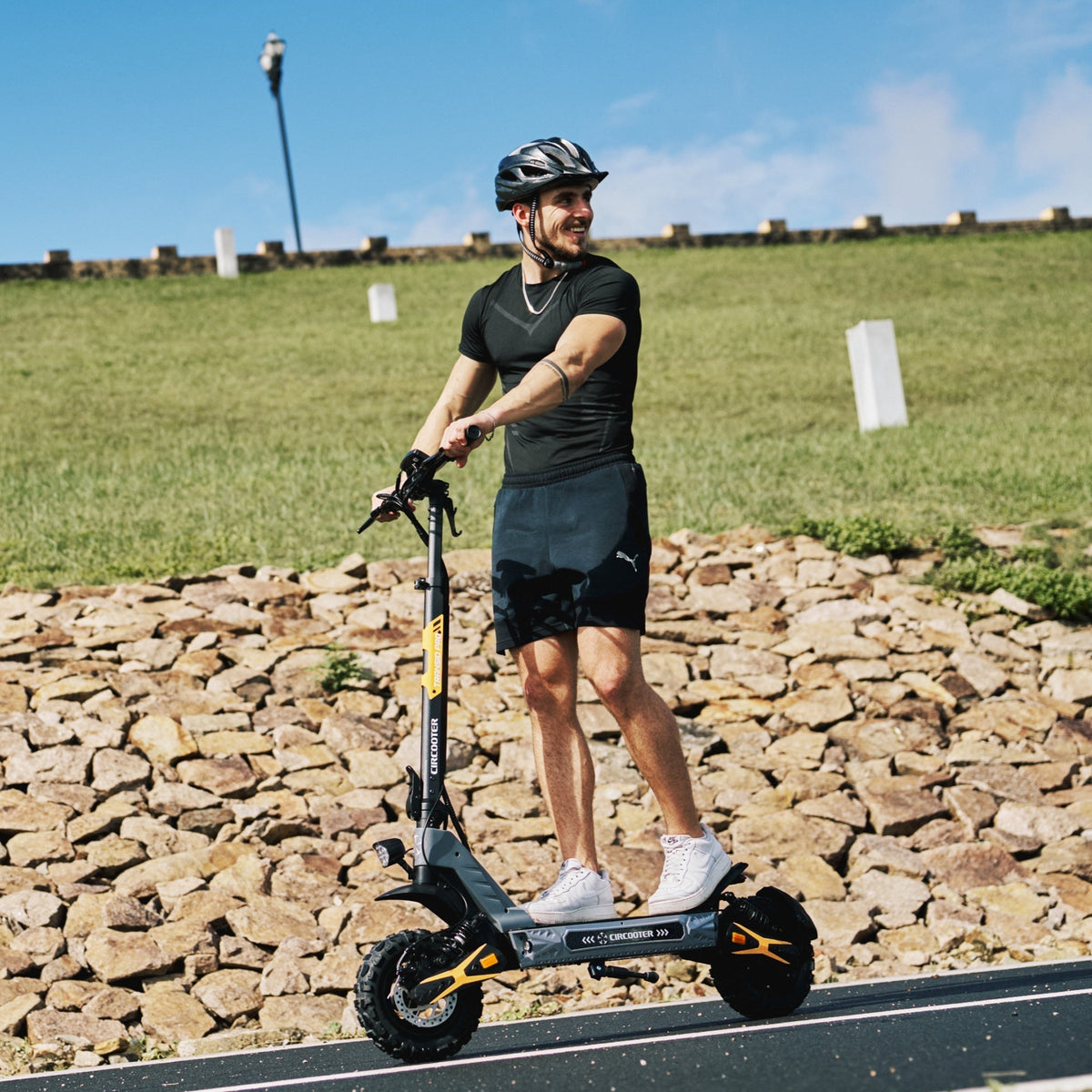
For casual trail riding, a ventilated helmet, gloves, sunglasses, water, and knee pads may be enough. For faster off-road riding, add a full-face helmet, elbow protection, shin guards, and abrasion-resistant clothing.
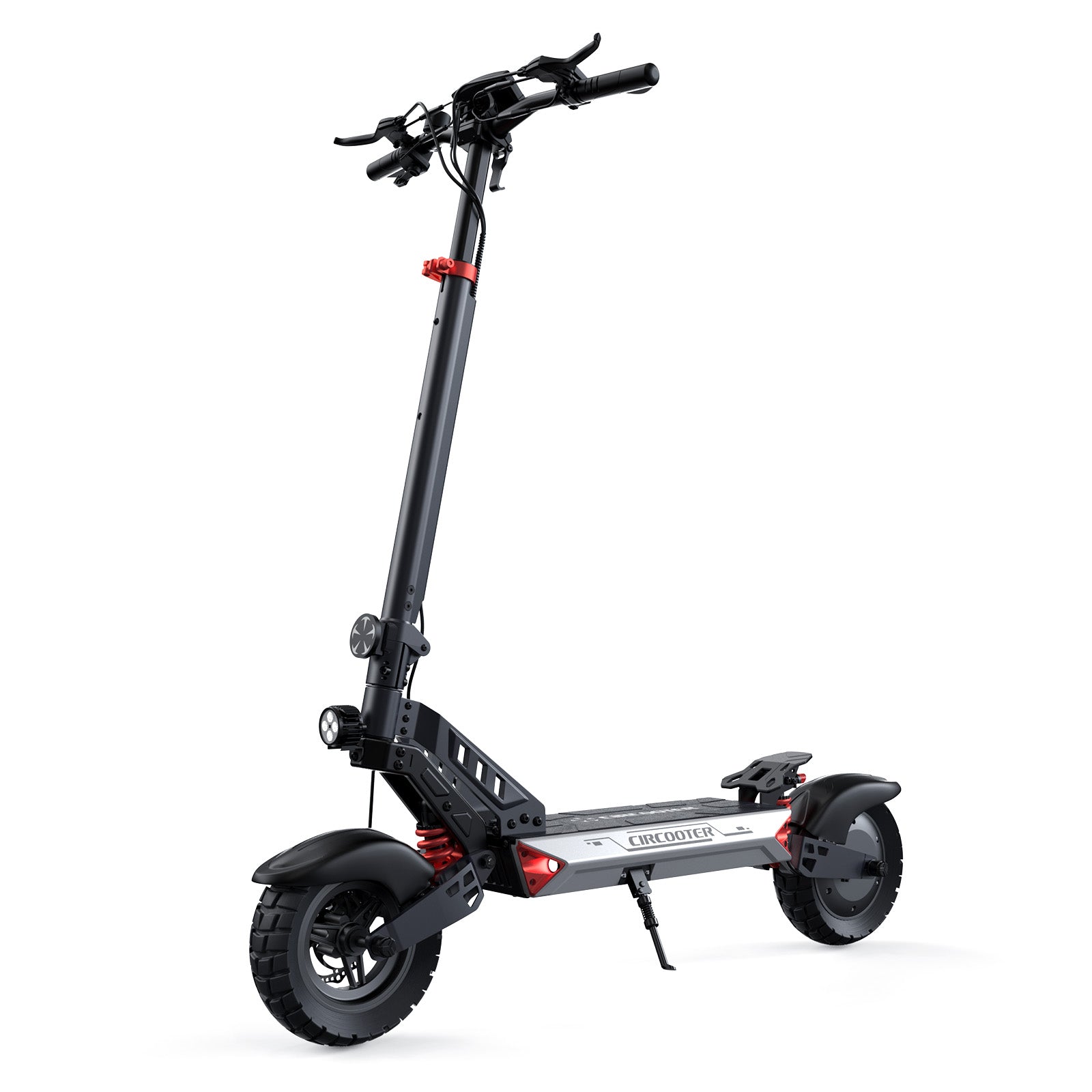
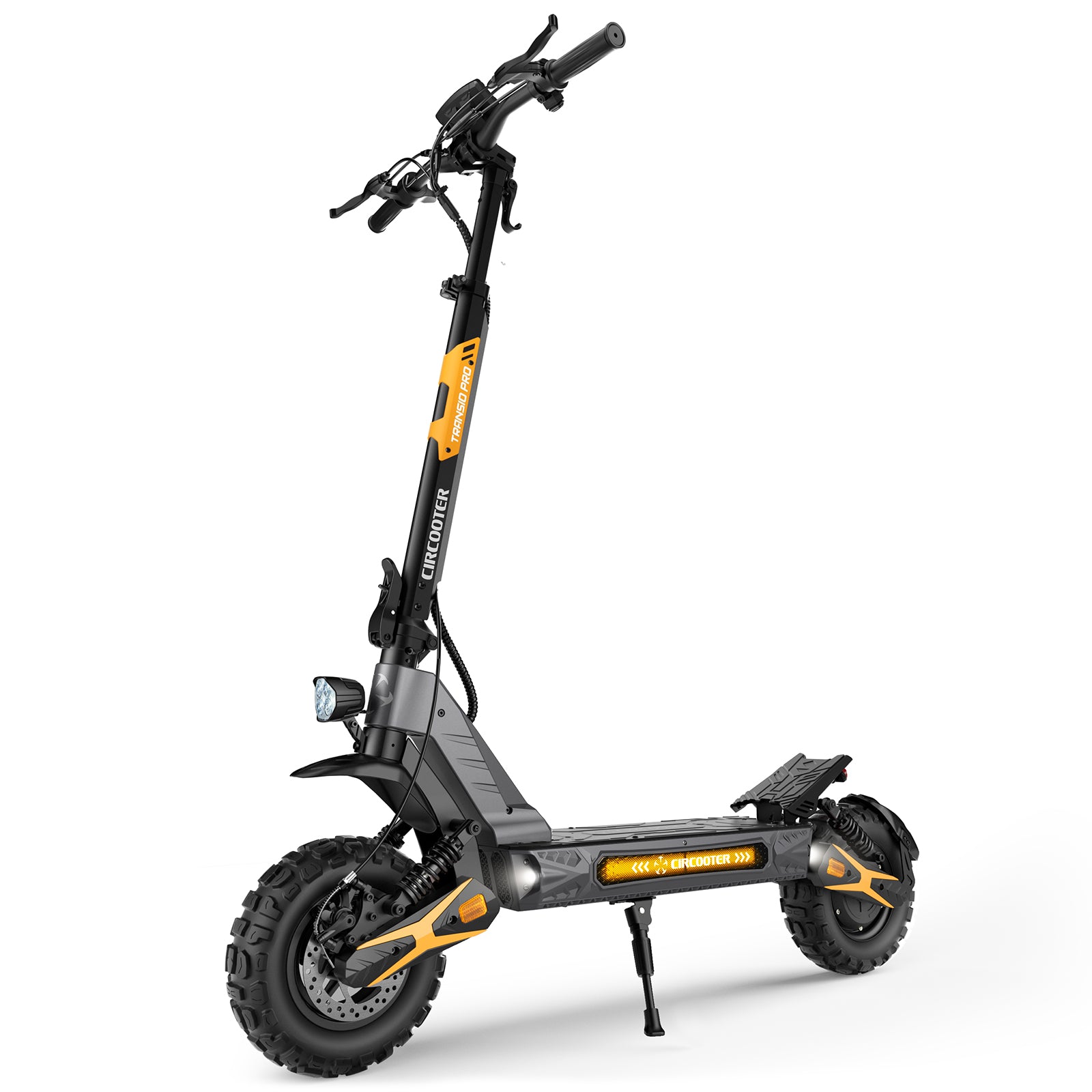
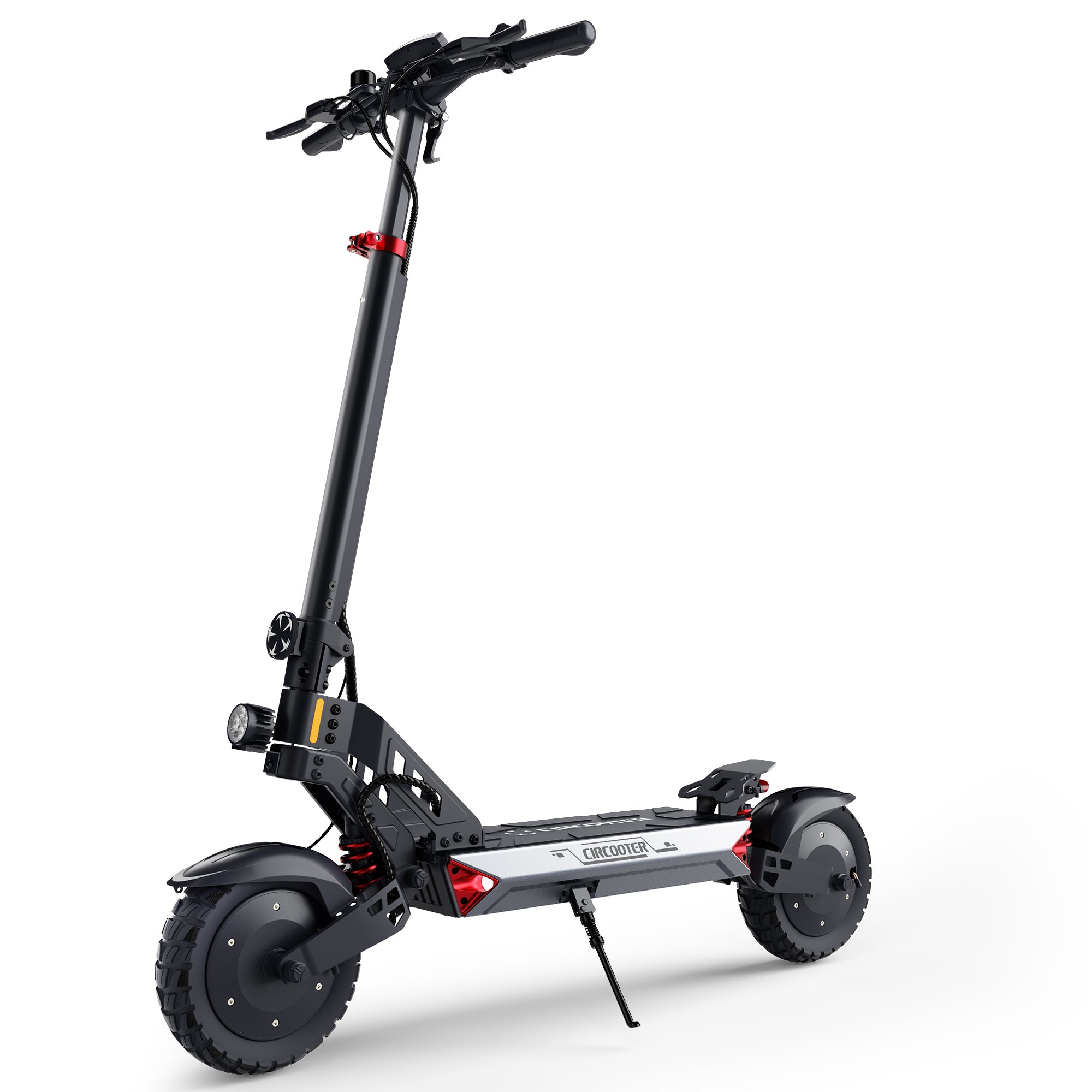
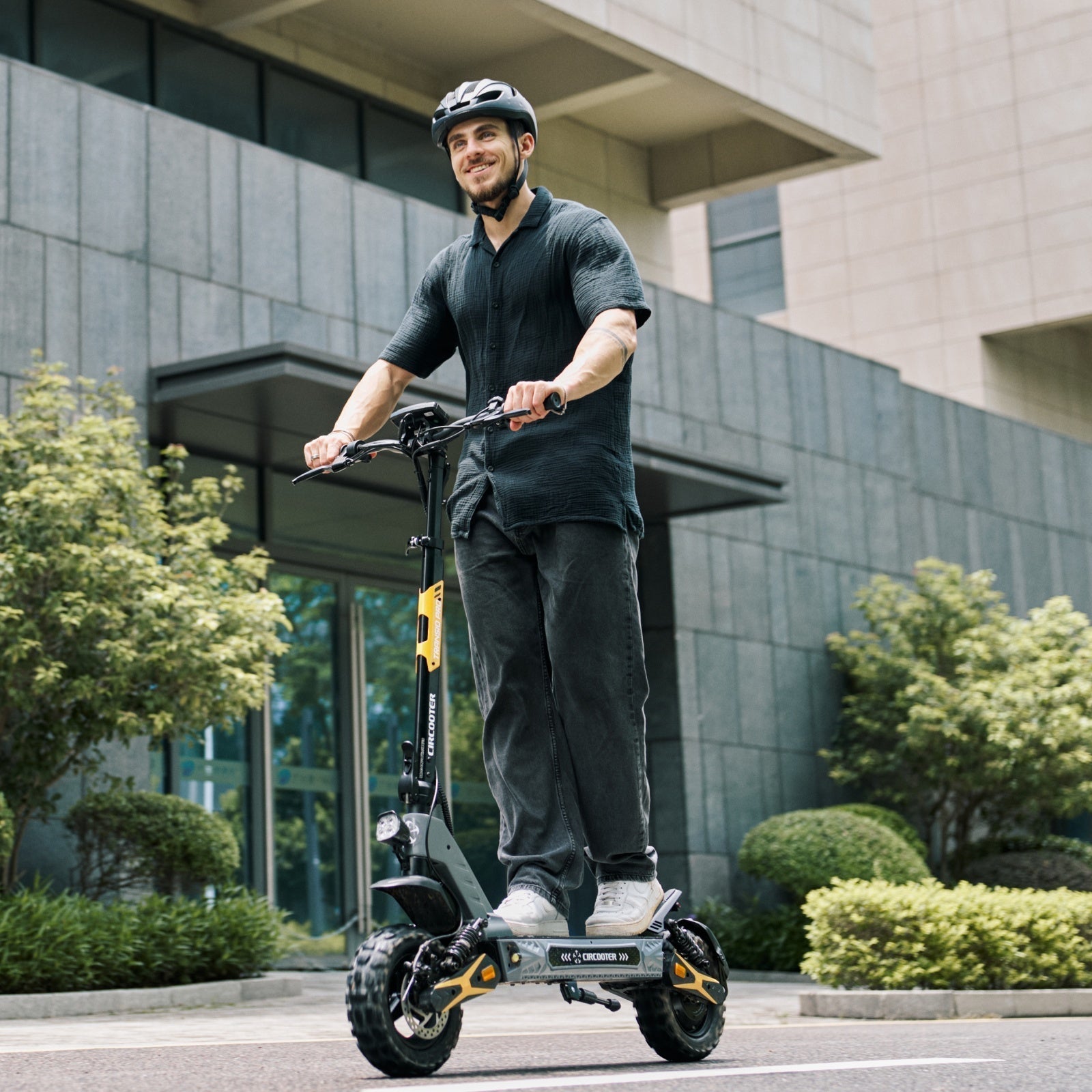
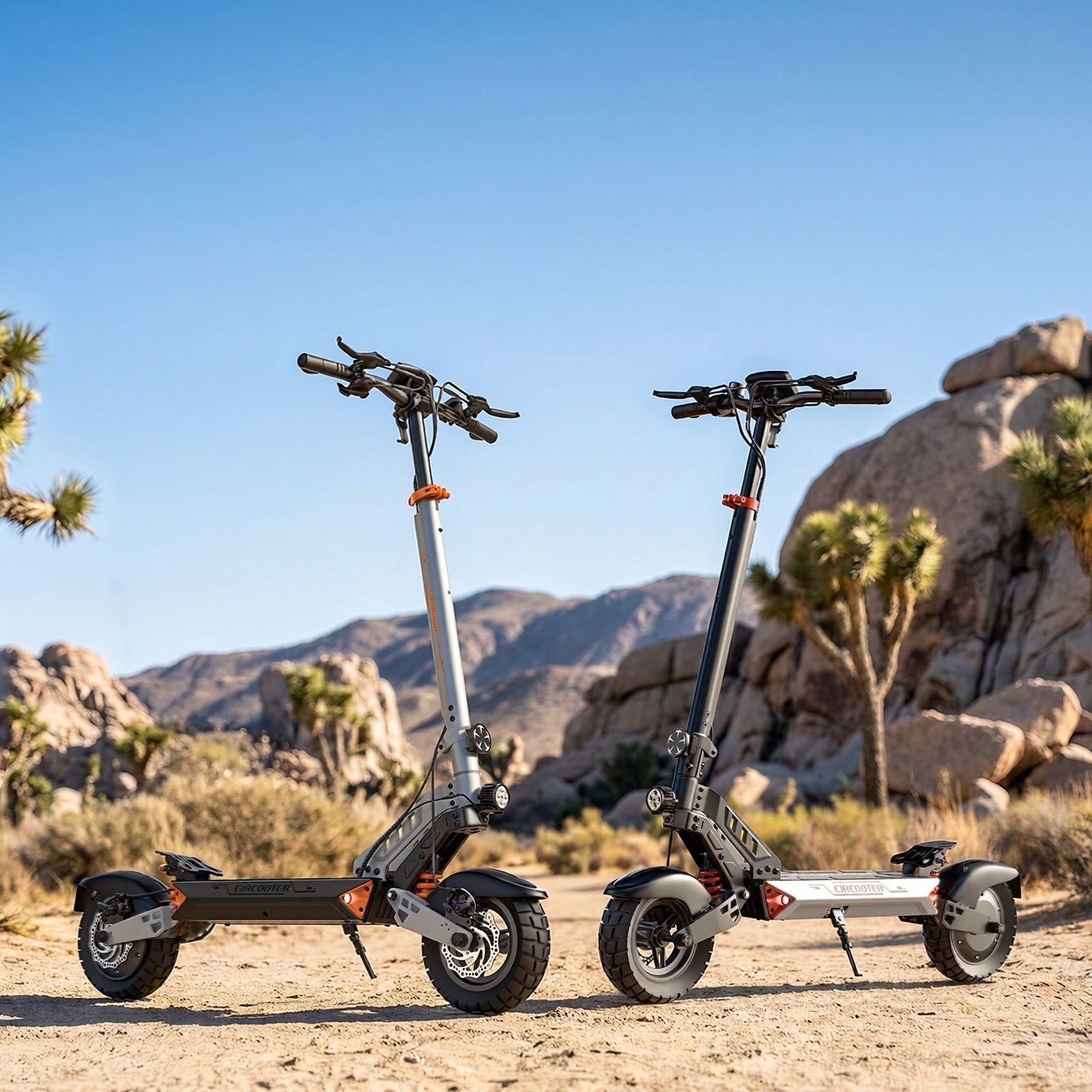
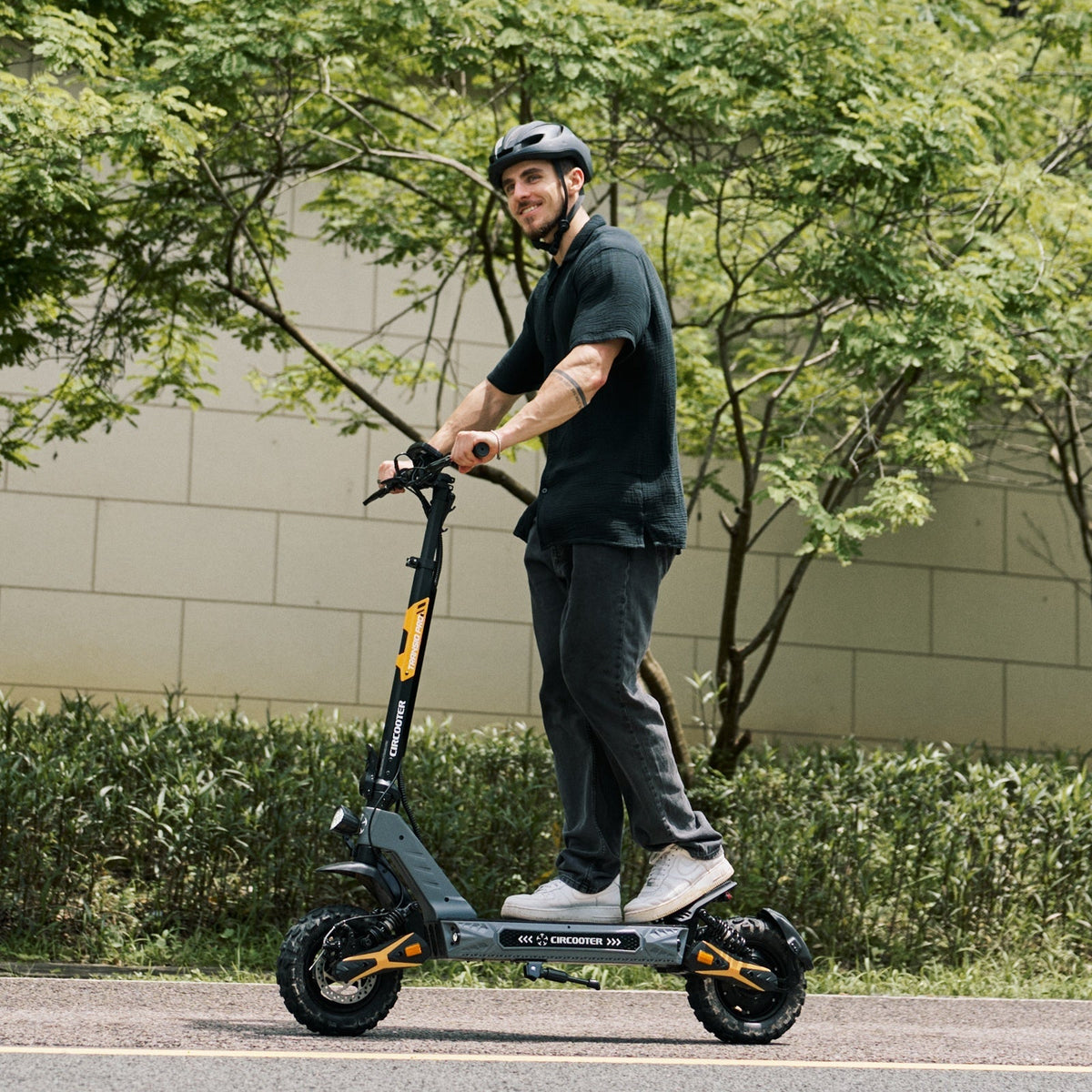
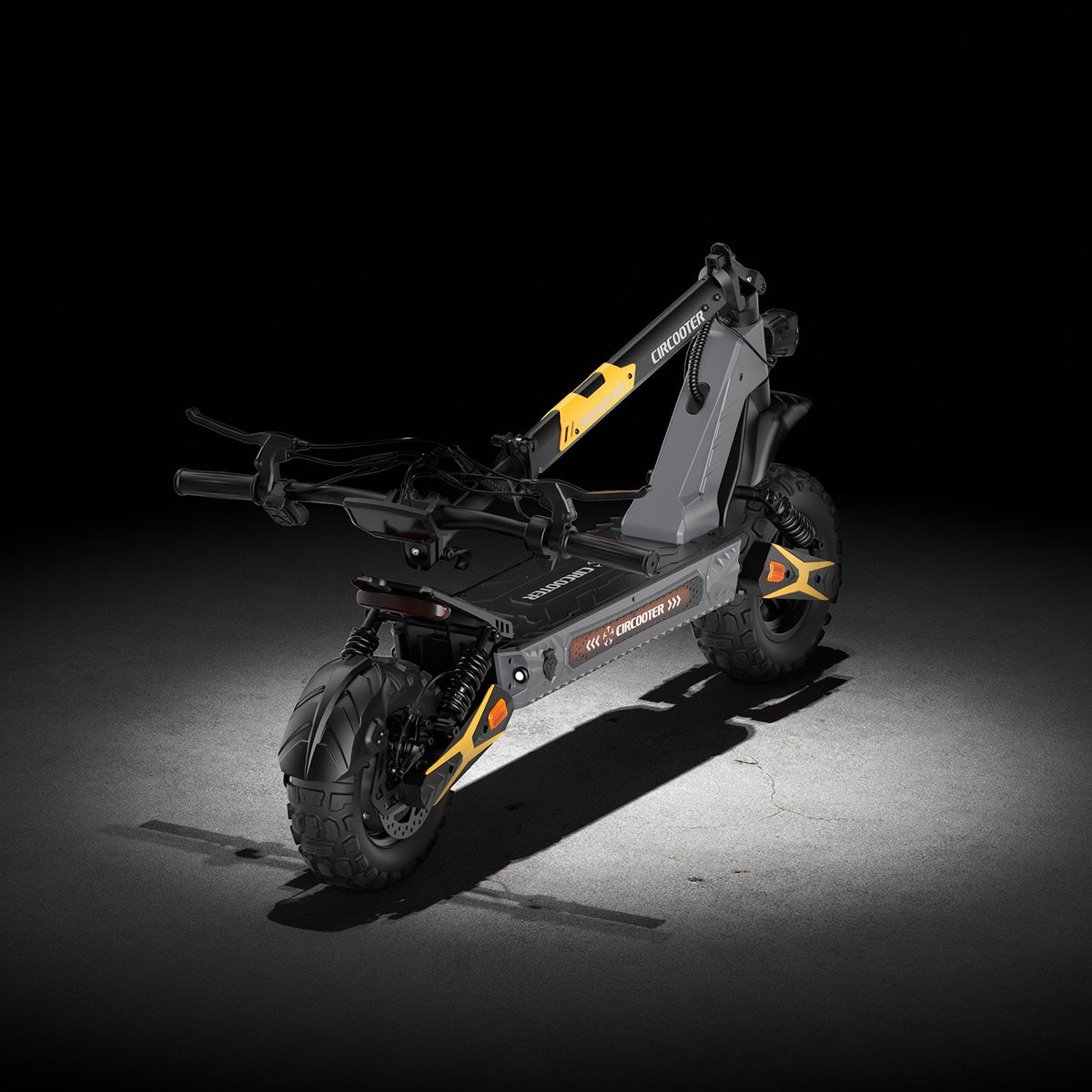
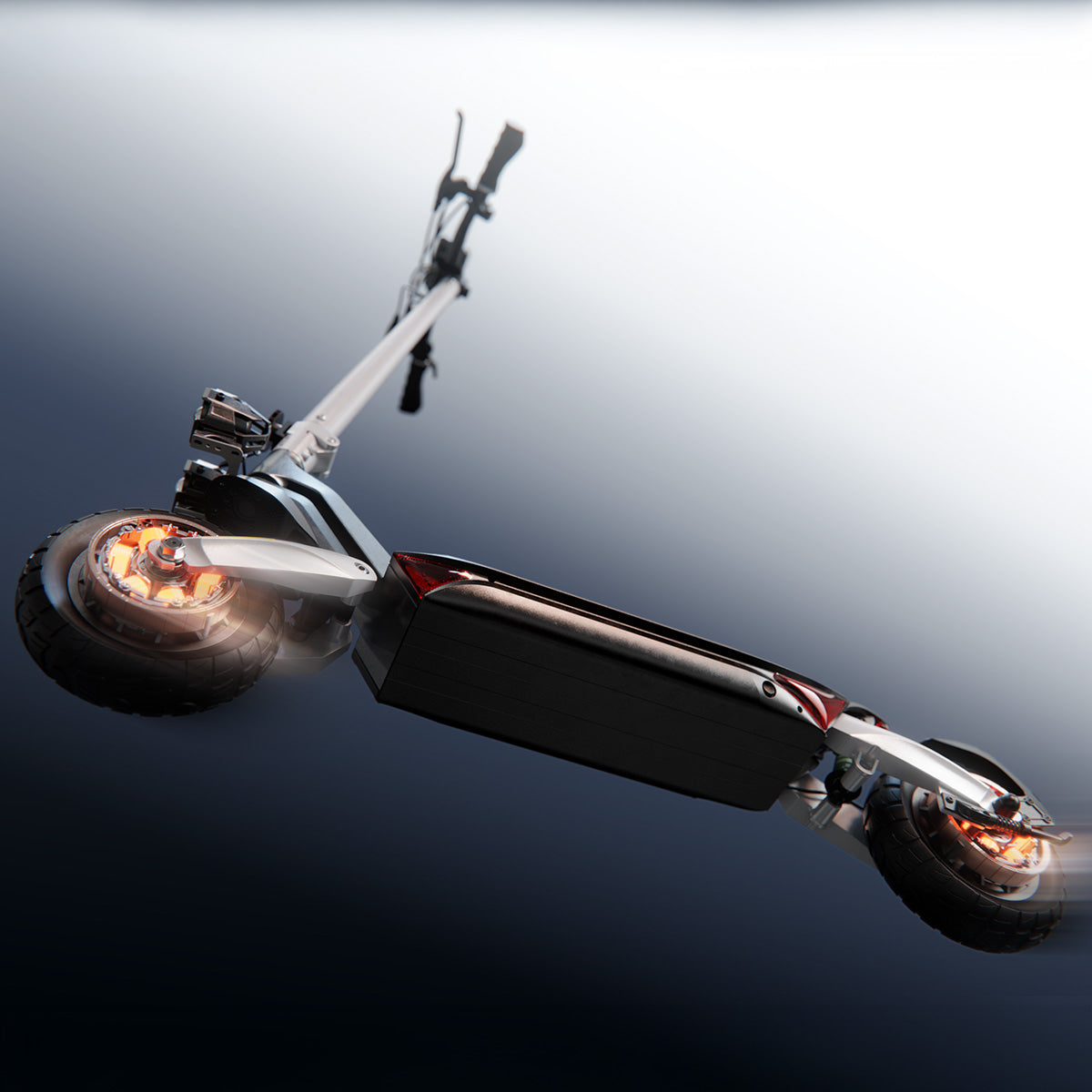
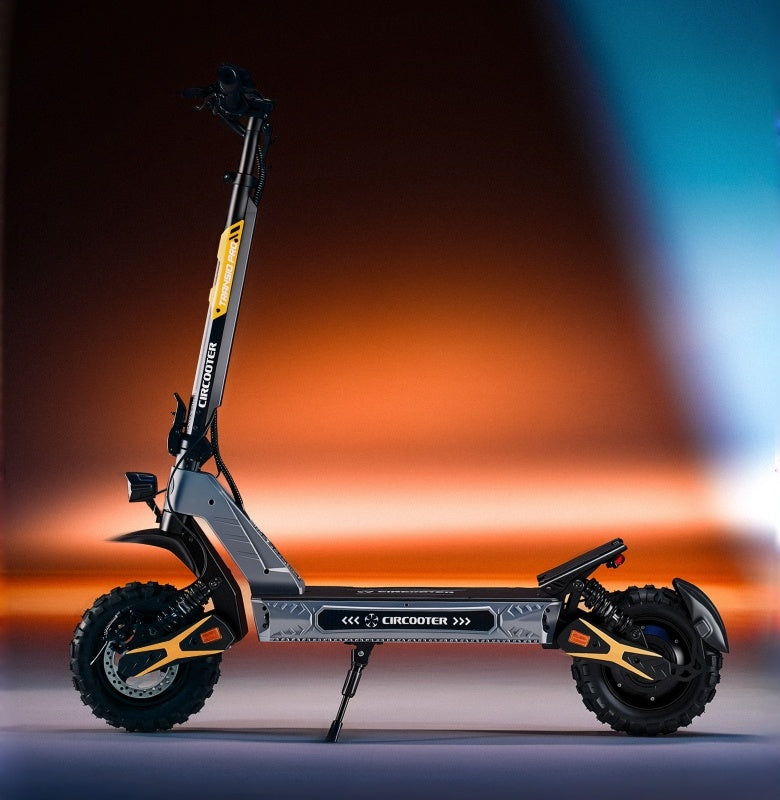
If you ride models built for rougher terrain, such as Circooter’s all-terrain and off-road scooters, use gear that matches that capability. More speed and power can be useful, but they also make protective equipment more important.
Check out their accessories and see what could go on your summer riding list.
Gear Smart, Ride Longer
Summer trail riding is worth the extra preparation. The right gear helps you stay protected without overheating, and smart habits help protect both the rider and scooter.
A ventilated helmet, moisture-wicking clothing, gloves, eye protection, knee guards, hydration, sunscreen, and shaded breaks make hot-weather riding safer and more comfortable. Add battery care, tire checks, and better ride timing, and summer trails become much easier to enjoy.
The goal is simple: stay cool, stay protected, and keep enough energy to ride home safely.
What Summer Trail Riders Usually Ask
Can I wear a regular bike helmet for trail riding?
A certified bike helmet is better than nothing, but a ventilated full-face helmet is safer for trail riding because it adds chin and jaw protection.
How much water should I bring?
Bring at least 500 ml for short rides. For longer summer trail rides, bring 1 L or more, ideally in a hydration backpack.
Does summer heat affect scooter batteries?
Yes. High heat can reduce range and add long-term battery stress. Keep the scooter shaded and let it cool before charging.
Are mesh riding jackets protective?
Yes, if they include certified armor and abrasion-resistant material. They are much cooler than solid jackets while still offering real protection.
What should I do if I overheat?
Stop in shade, drink water slowly, and rest. If you feel dizzy, nauseous, or weak, end the ride and get help if symptoms are serious.


Leave a comment
All comments are moderated before being published.
This site is protected by hCaptcha and the hCaptcha Privacy Policy and Terms of Service apply.