
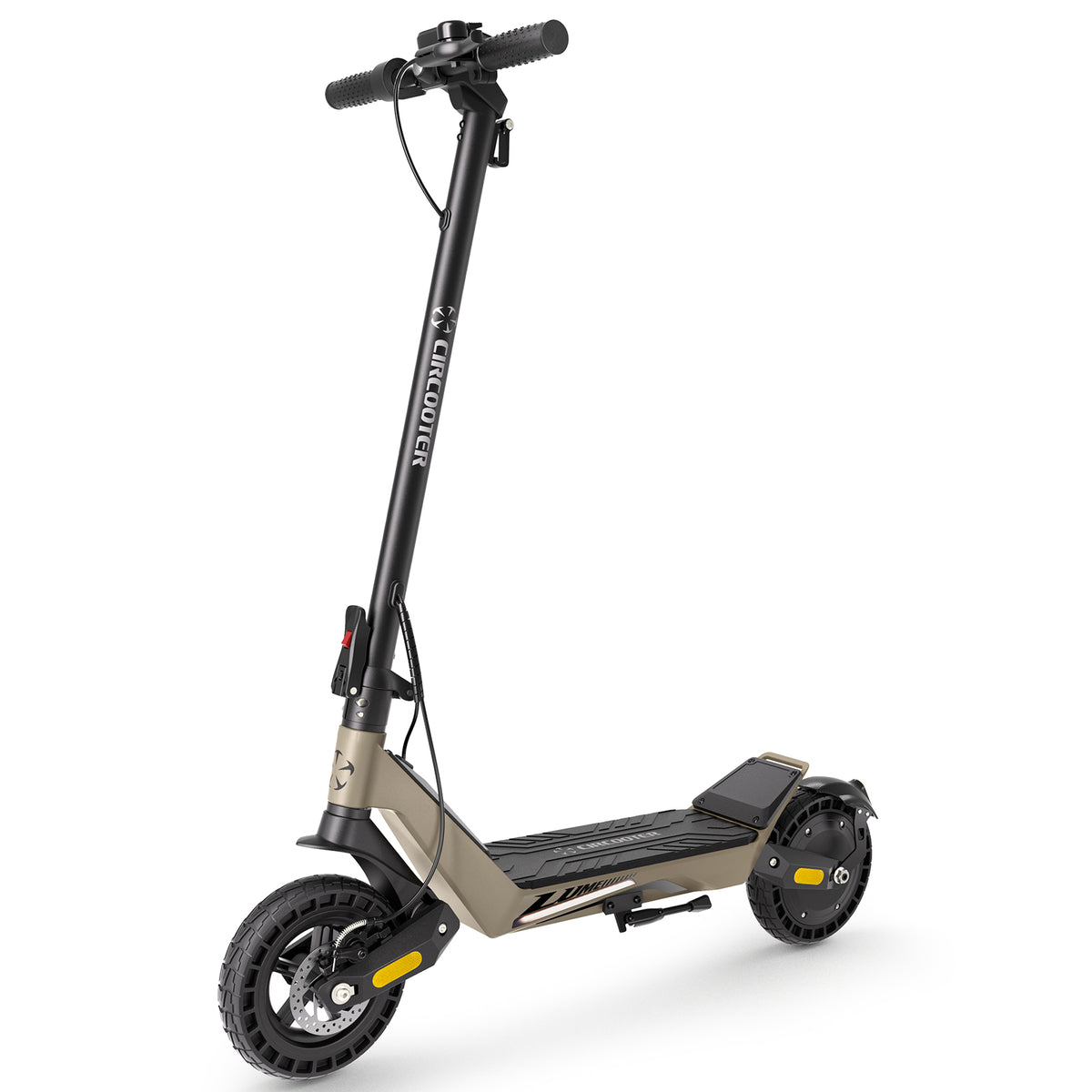
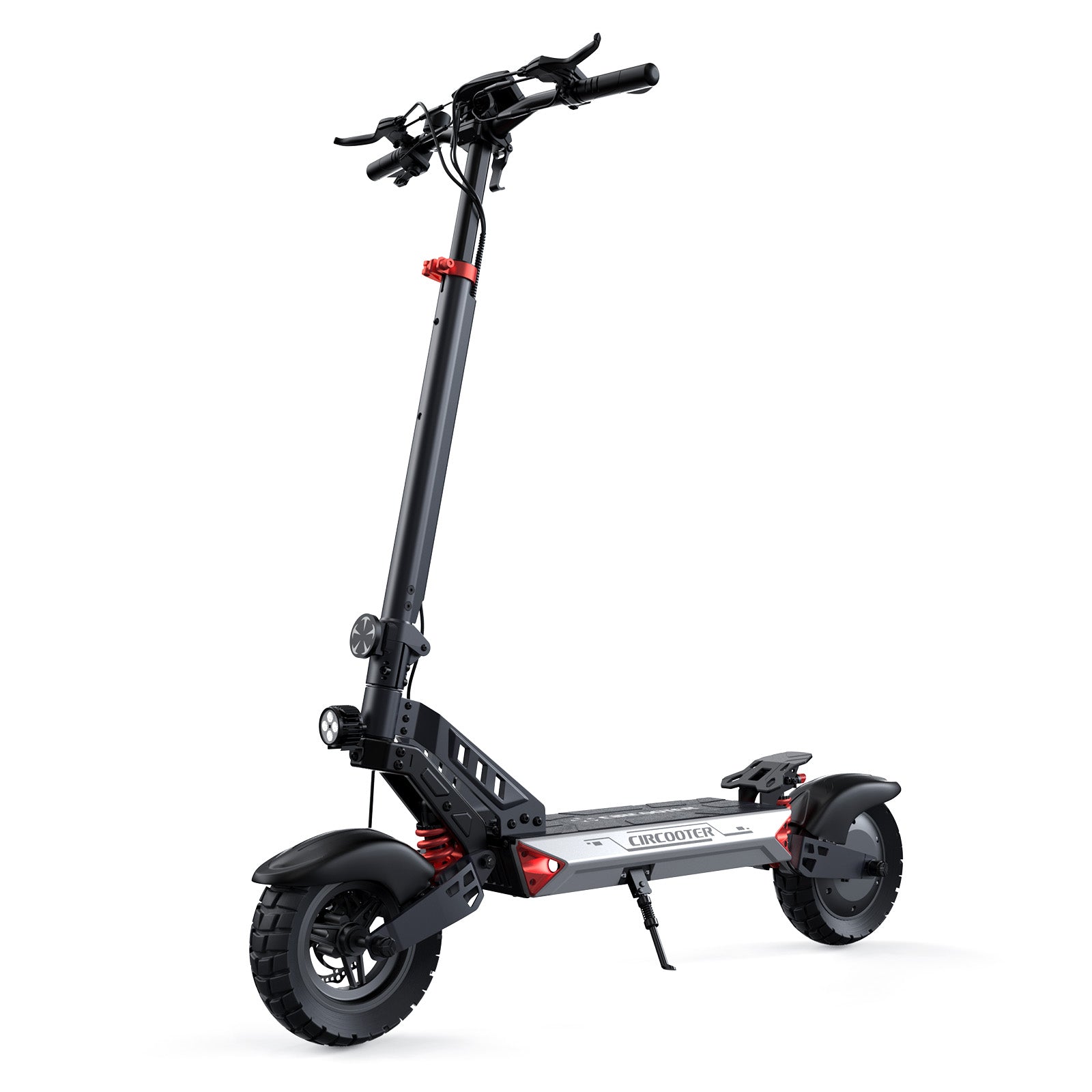
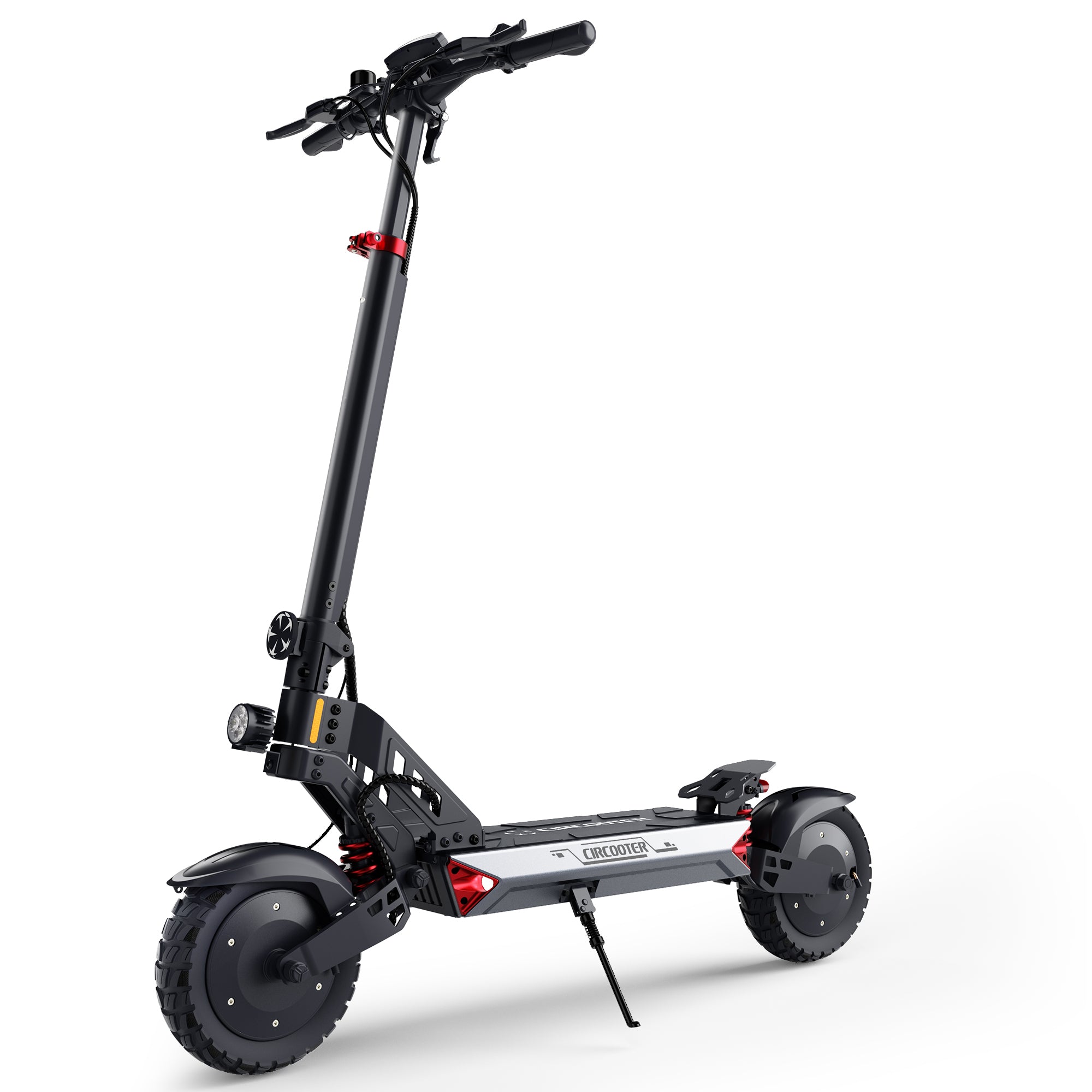
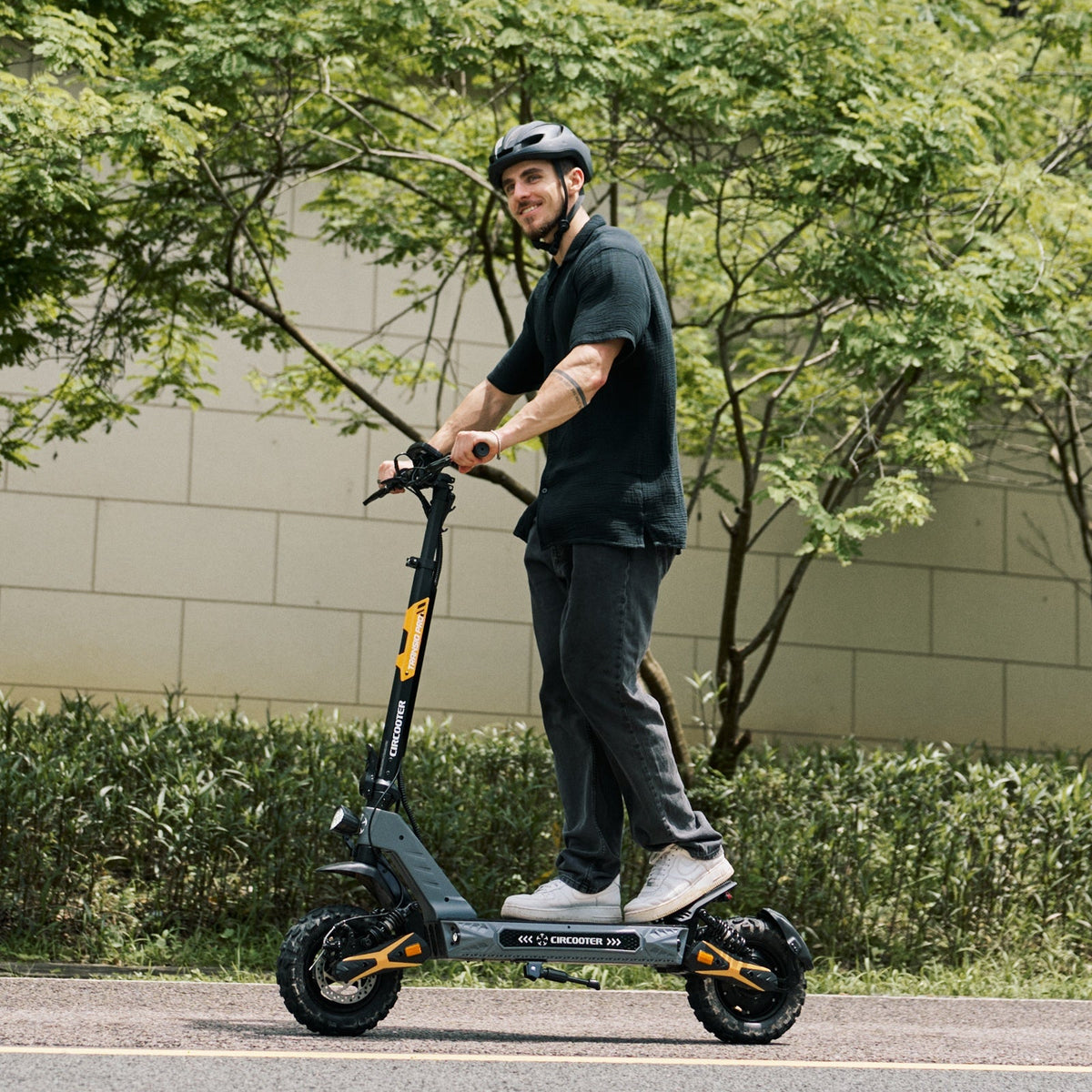
Featured in this post
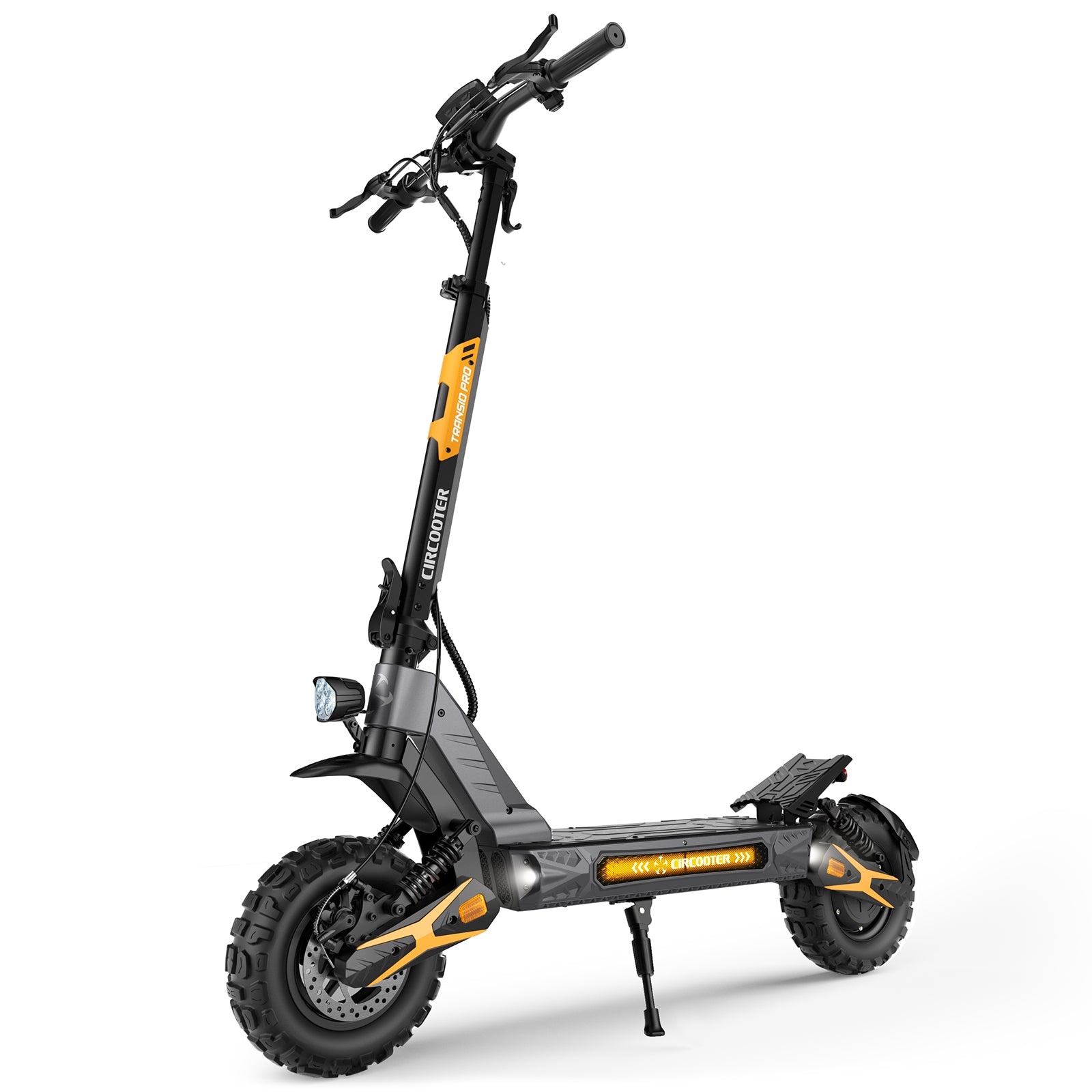


32 MPH
49 Miles
1200W
960Wh
Why Some Scooters Feel Planted and Others Feel Twitchy
Electric scooter stability at higher speeds comes down to how well the wheels, frame, tires, suspension, weight distribution, and rider inputs work together. When these factors are balanced, a scooter can track straight and respond predictably. When they aren't, bumps and sudden steering inputs can feel more noticeable.
Speed isn't the goal here. Every scooter has an intended operating range, and stable handling only matters within it.
What Does Electric Scooter Stability Mean?
Stability is a scooter's ability to hold its line and stay balanced when something disturbs it, like a crack in the pavement or a sudden steering input. Electric scooter stability is about predictability and riding stability, not top speed.
It also differs from related ideas:
Speed is how fast the scooter travels.
Acceleration is how quickly it gets there.
Maneuverability is how easily it turns.
Stability and maneuverability often pull in opposite directions, so good design finds a balance.
How Does Wheel Size Affect Electric Scooter Stability?
Electric scooter wheel size is one of the biggest influences on stability. Larger wheels roll over cracks and debris more smoothly because they meet a bump at a gentler angle. Small wheels tend to drop into gaps or get knocked off line.
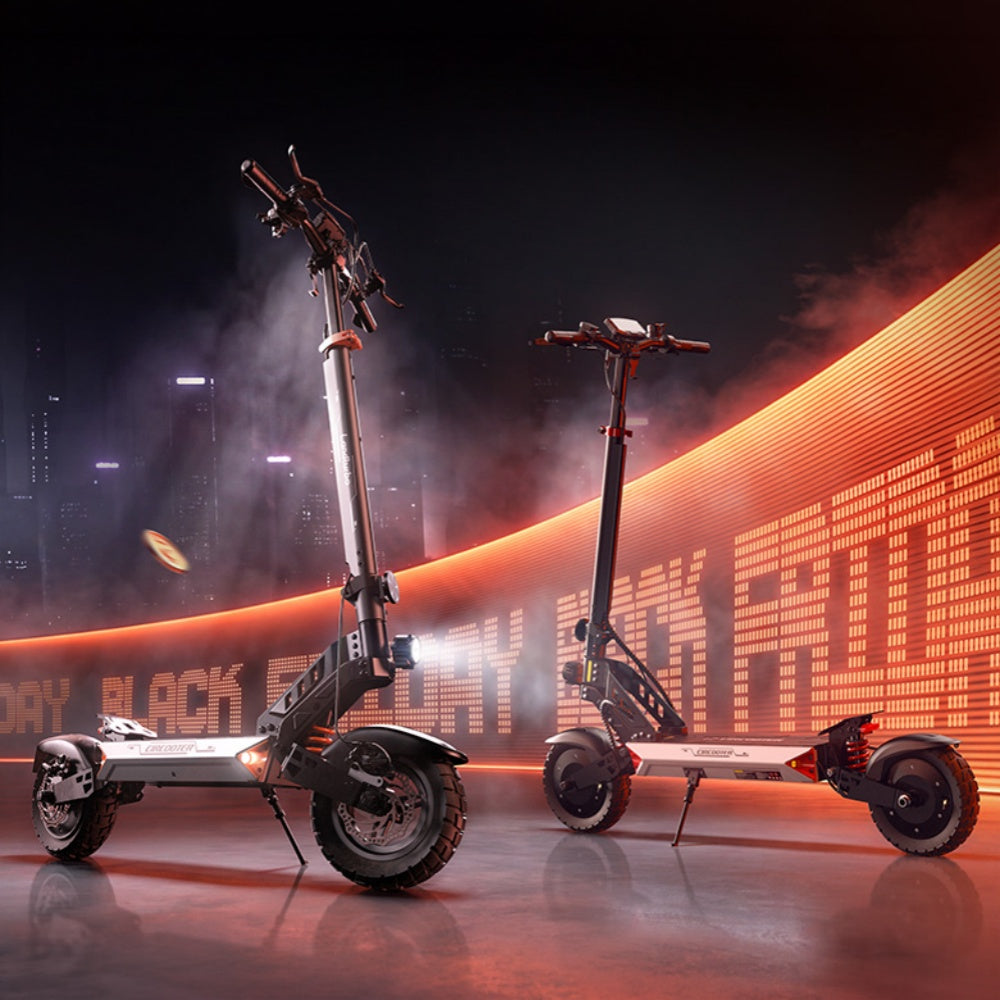
The trade-off is steering response. Bigger wheels can feel slower to turn, while smaller wheels feel quick but are less forgiving on rough surfaces. The Transio Pro, for example, rolls on 11-inch tubeless tires, and that size shapes how it handles uneven ground.
Why Does Wheelbase Matter for Stability?
Wheelbase is the distance between the front and rear wheels. A longer electric scooter wheelbase generally improves electric scooter stability in a straight line, because it takes more force to push the scooter off course. A shorter wheelbase is easier to carry and turn, but it reacts faster to every input.
Overall geometry matters too. A scooter designed for stable handling at higher speeds usually has a longer frame and steering geometry tuned for straight-line tracking.
Handlebar and stem design also affects steering control. A rigid stem, secure folding mechanism, and properly tightened handlebars help reduce unwanted movement. Any looseness or play in the steering should be checked before riding, especially at higher speeds.
How Do Tires Affect Electric Scooter Stability?
Tires are the only part of the scooter that contacts the ground, so their condition and setup have a major effect on stability and control.
Size, Tread, and Type
Wider tires create a larger contact patch, which usually adds grip. Smoother tread suits pavement, while chunkier tread grips better on loose ground. Air-filled tires also absorb small vibrations.
Pressure and Wear
Too little pressure can make a tire feel vague or squirmy, while too much can make the ride harsh and reduce grip. Check your user guide for the recommended psi range and measure pressure when the tires are cold. Worn tires can also reduce grip, so check for flat spots, cracks, and slow leaks.
What Role Does Suspension Play in Stability?
Electric scooter suspension helps keep the wheels in contact with uneven ground while reducing the impact of bumps. This can make steering feel more controlled on rough surfaces.
However, suspension isn't a cure-all. A scooter with a short wheelbase, worn tires, or incorrect tire pressure can still feel unsettled.

How Does the Deck Affect Riding Stability?
Deck design affects where and how you stand. A longer, wider deck gives you more room for a staggered stance with slightly bent knees, which can make control easier. If you're on the taller side, CIRCOOTER’s guide to electric scooters for tall adults covers deck size and stance in more detail.
A lower deck usually means a lower center of gravity, which helps electric scooter stability, though it can reduce ground clearance off-road. Keep your weight over the middle of the deck, since standing at the back makes steering feel light.
Does Scooter Weight Affect Stability at Higher Speeds?
Weight and where it sits both matter, but heavier isn't automatically safer. Extra mass can feel planted over bumps, yet it also takes longer to slow down.
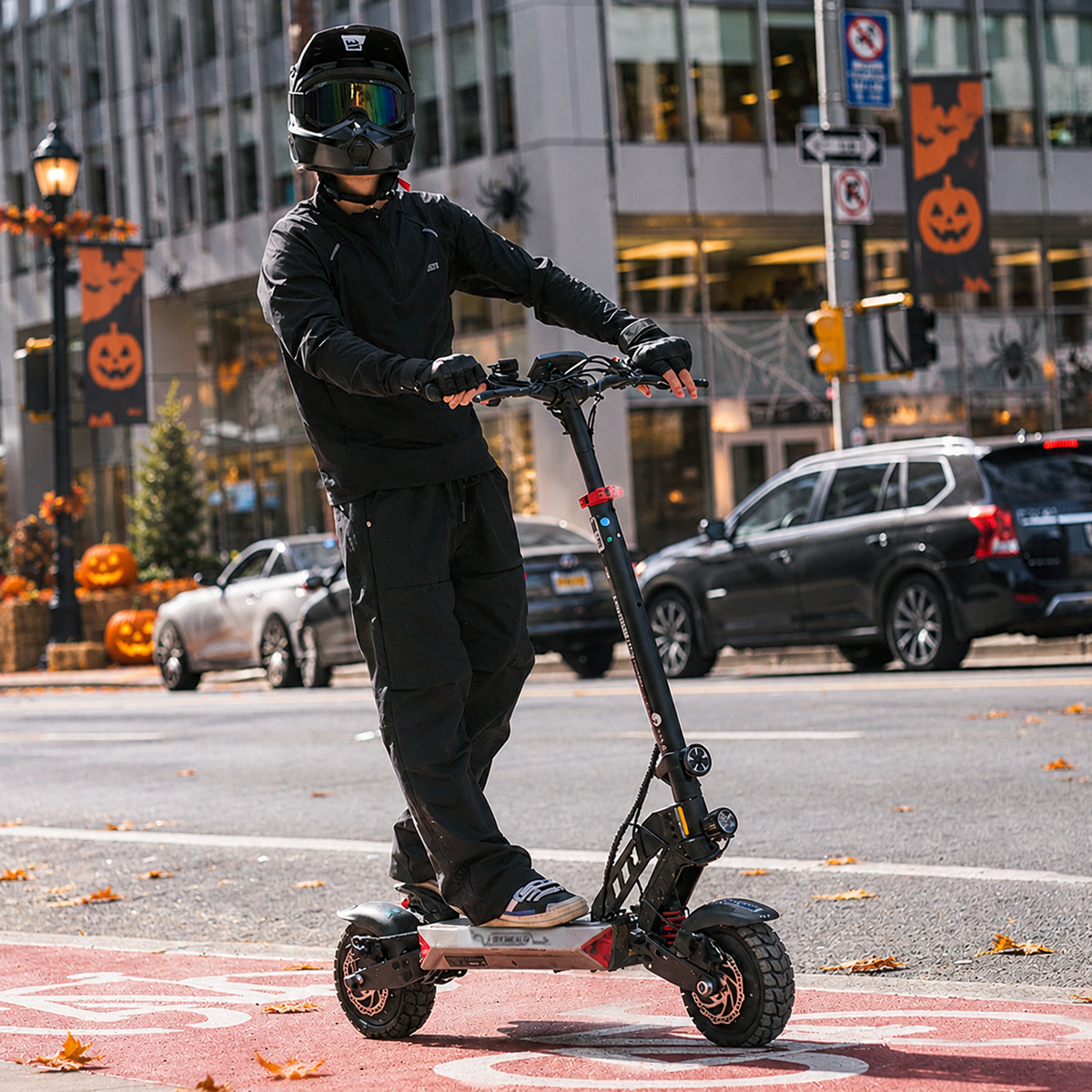
Distribution usually matters more for electric scooter stability. Batteries mounted low keep the center of gravity down, and a balanced front-to-rear split keeps the front wheel loaded. On dual-motor scooters like the Landturbo Ultra, motor weight is spread across both wheels. The battery is also one of the heaviest parts, so our guide to electric scooter battery care is worth a read.
Rider load matters, too. Stay within the scooter's rated maximum load, and keep bags or other cargo low and centered to avoid shifting the balance.
How Can Riders Maintain Better Control at Higher Speeds?
Ride within your limits. Choose a speed that suits the scooter, surface, and local rules. Remember that higher speeds require more stopping distance.
Use smooth inputs. Steer gently, avoid sudden swerves, and brake progressively.
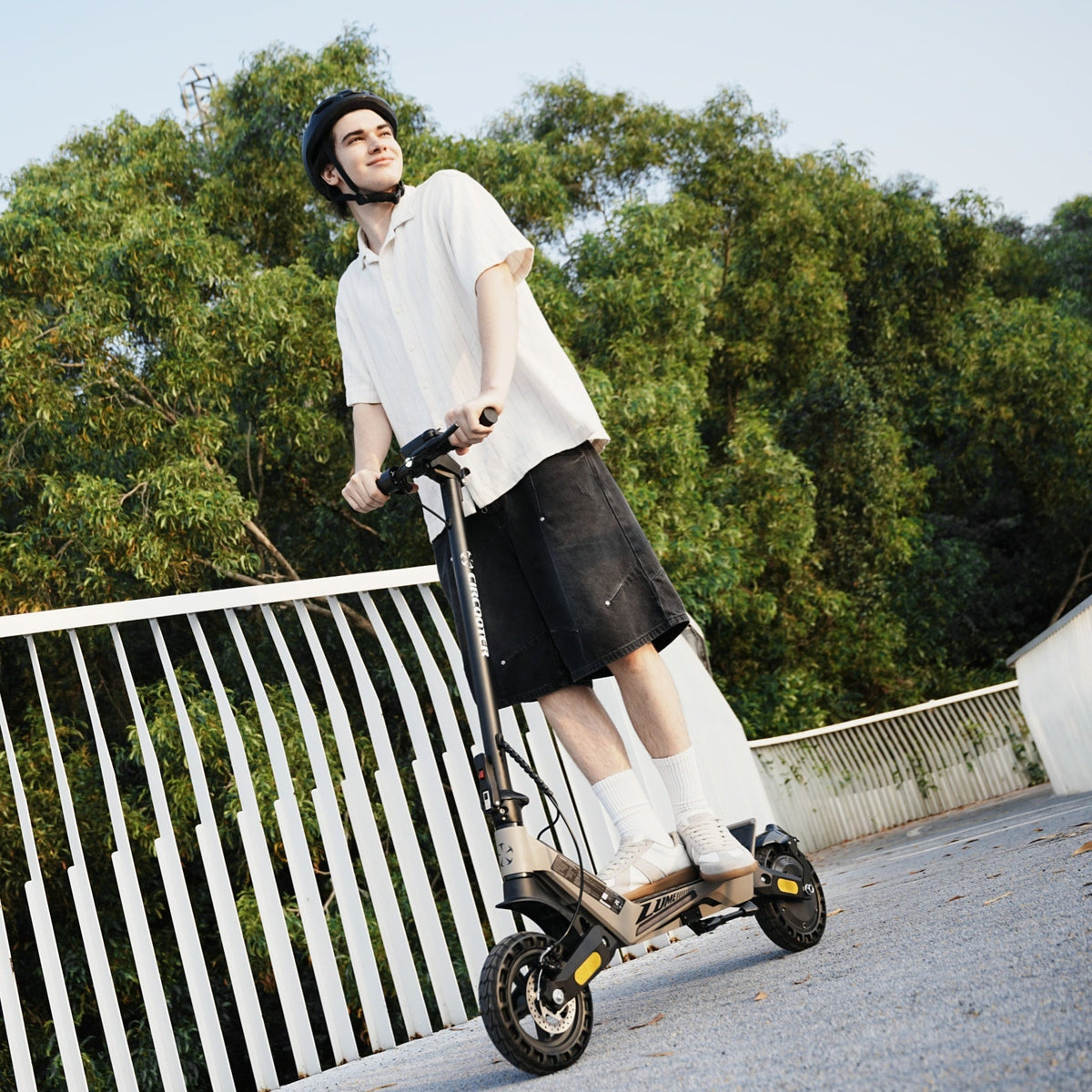
Use a stable posture. Keep a staggered stance, bend your knees, relax your elbows, and look ahead. This helps you absorb small changes in the road.
Check and adapt. Before riding, check tire pressure, steering components, and brakes. Slow down on wet pavement, gravel, or other surfaces that reduce traction. Wear a helmet.
Stability Comes From the Whole Package
No single feature creates electric scooter stability. Wheel size, wheelbase, tires, suspension, deck design, weight distribution, and rider technique all work together. A scooter feels more predictable when its design, setup, and riding conditions are well matched. Stay within its intended limits and keep it properly maintained for more consistent handling.
What E-Scooter Riders Want to Know
Are larger wheels more stable on an electric scooter?
Usually, especially on rough surfaces. Larger wheels can roll over cracks and small obstacles more smoothly, but wheelbase, tires, suspension, and weight distribution also affect stability.
Does suspension make an electric scooter more stable?
It can help keep the tires in contact with uneven surfaces and reduce the impact of bumps. However, it cannot compensate for issues such as worn tires, incorrect tire pressure, or unsuitable geometry.
Does tire pressure affect electric scooter stability?
Yes. Low pressure feels vague and squirmy, while overinflated tires feel harsh and can lose grip. Follow your user guide's range.
Why does my electric scooter feel unstable at higher speeds?
Common causes include low tire pressure, worn tires, a loose stem, weight positioned too far back, or a speed that is too high for the surface. Slow down first, then check these areas. If the instability continues, have the scooter inspected before riding at higher speeds again.


Leave a comment
All comments are moderated before being published.
This site is protected by hCaptcha and the hCaptcha Privacy Policy and Terms of Service apply.