
Looking for a fun, efficient, and affordable way to get around town? Whether you are commuting to work, running errands, or just exploring your city, mopeds and scooters are both fantastic options to consider.
Each offers a unique riding experience, and the right choice can make your daily journeys smoother and more enjoyable.
If you are curious about which two-wheeler fits your lifestyle, you are in the right place. Read on to discover the key differences, advantages, and tips for choosing between a moped and a scooter.
What is a Moped?

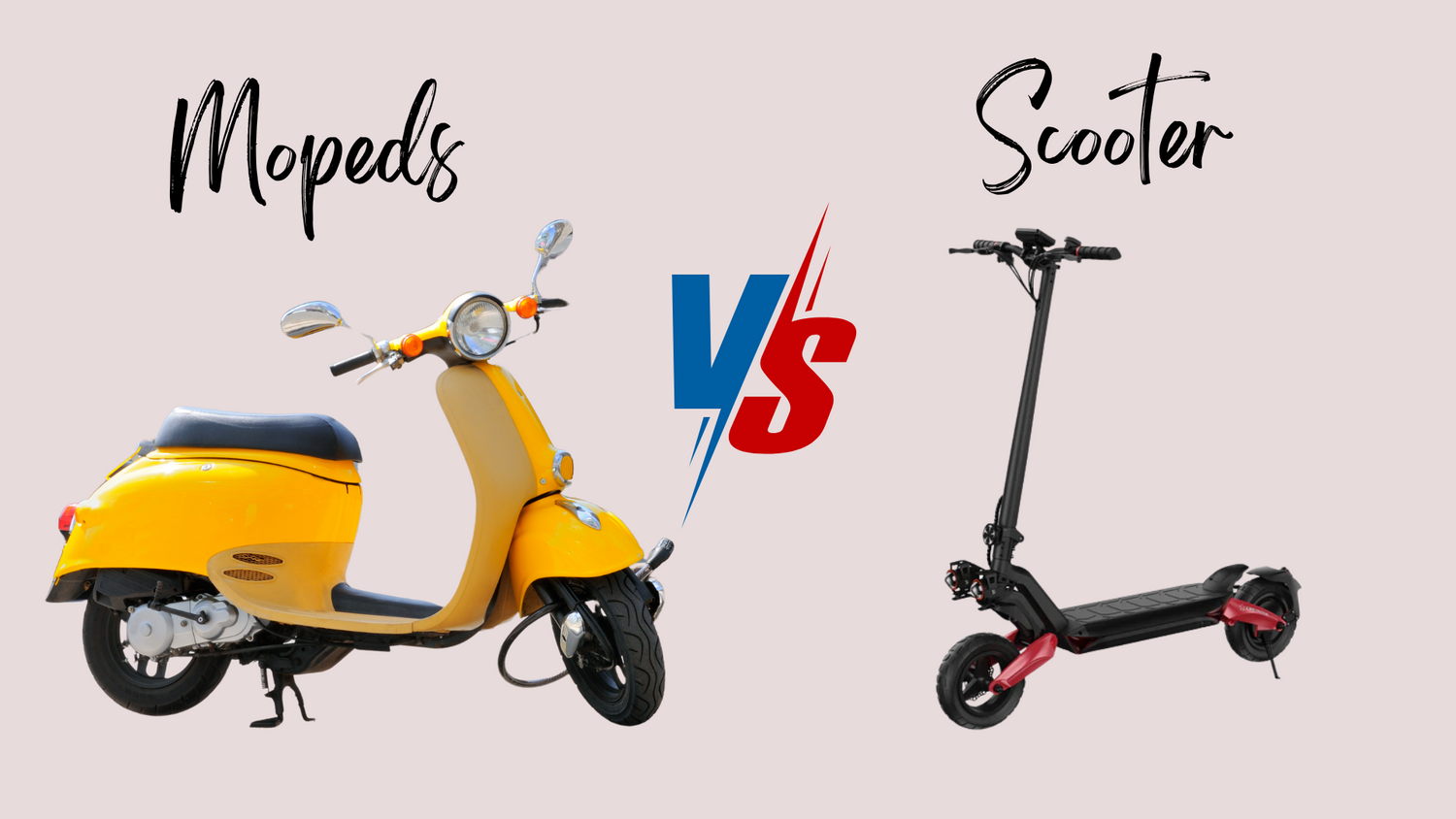
A moped is a small, lightweight motorized vehicle that traditionally featured pedals along with a small engine. Modern mopeds look like compact motorcycles with a seat, step-through frame, and usually a gas or small electric motor.
Key Characteristics of Mopeds:
- Engine Size: Typically under 50cc (gas) or low-wattage electric motors.
- Top Speed: Usually capped at 28 to 30 mph (45 to 48 km/h).
- Design: Always seated, with footrests and sometimes minimal storage.
- Fuel Efficiency: Extremely high, often over 100 mpg for gas models.
- Licensing: May require a standard driver’s license or moped permit, depending on your location.
- Best For: Short urban commutes, flat terrain, and budget-conscious riders.
What is a Scooter?

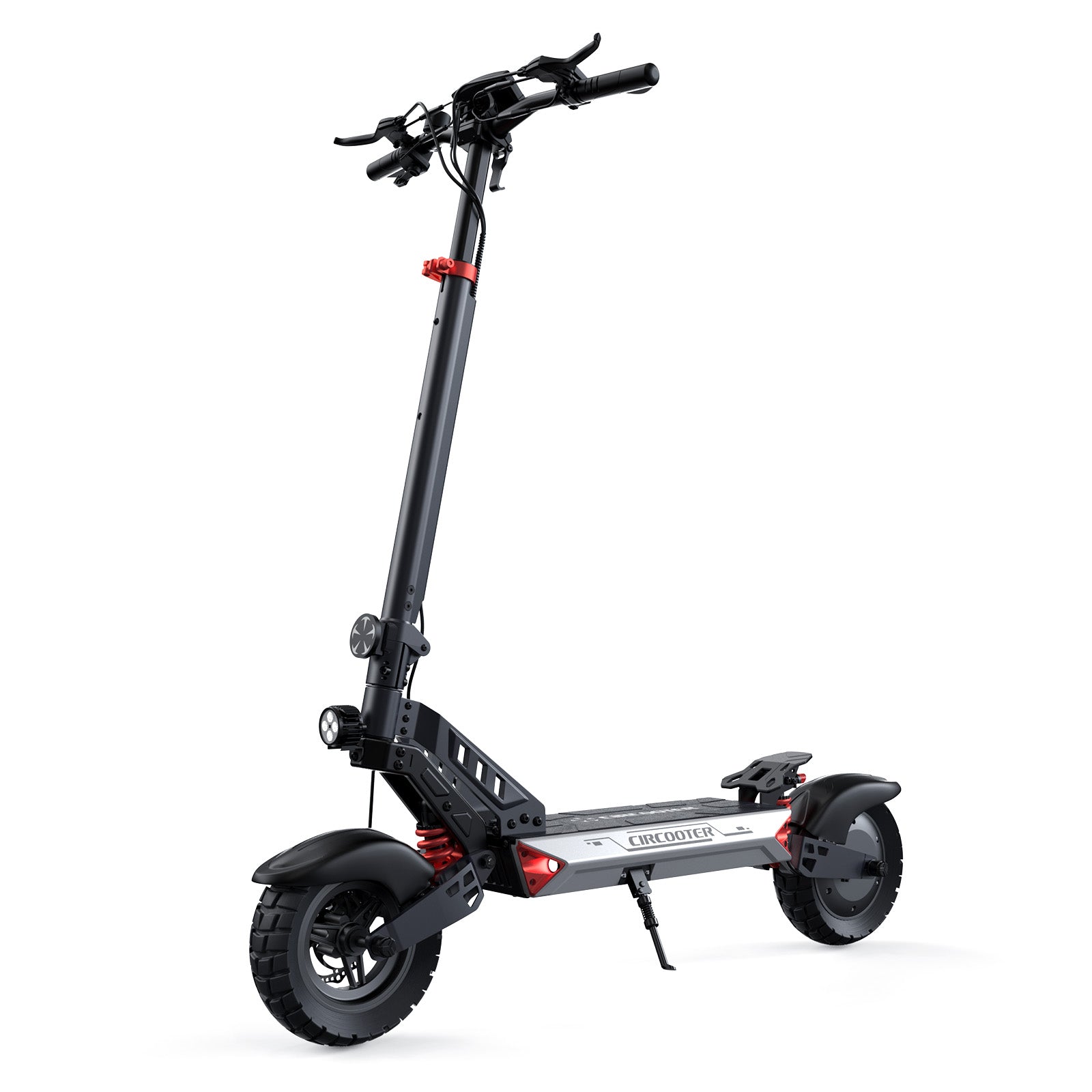
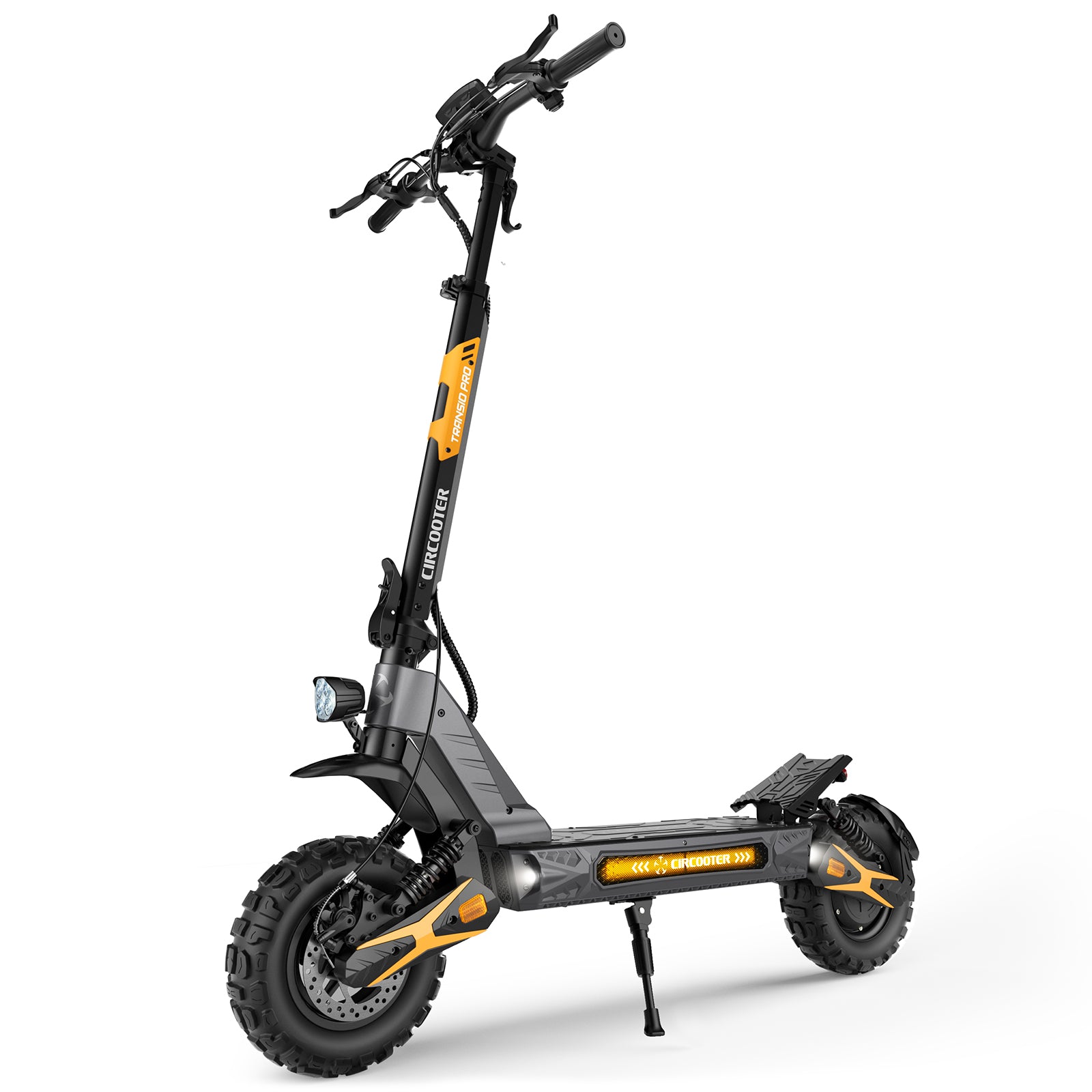
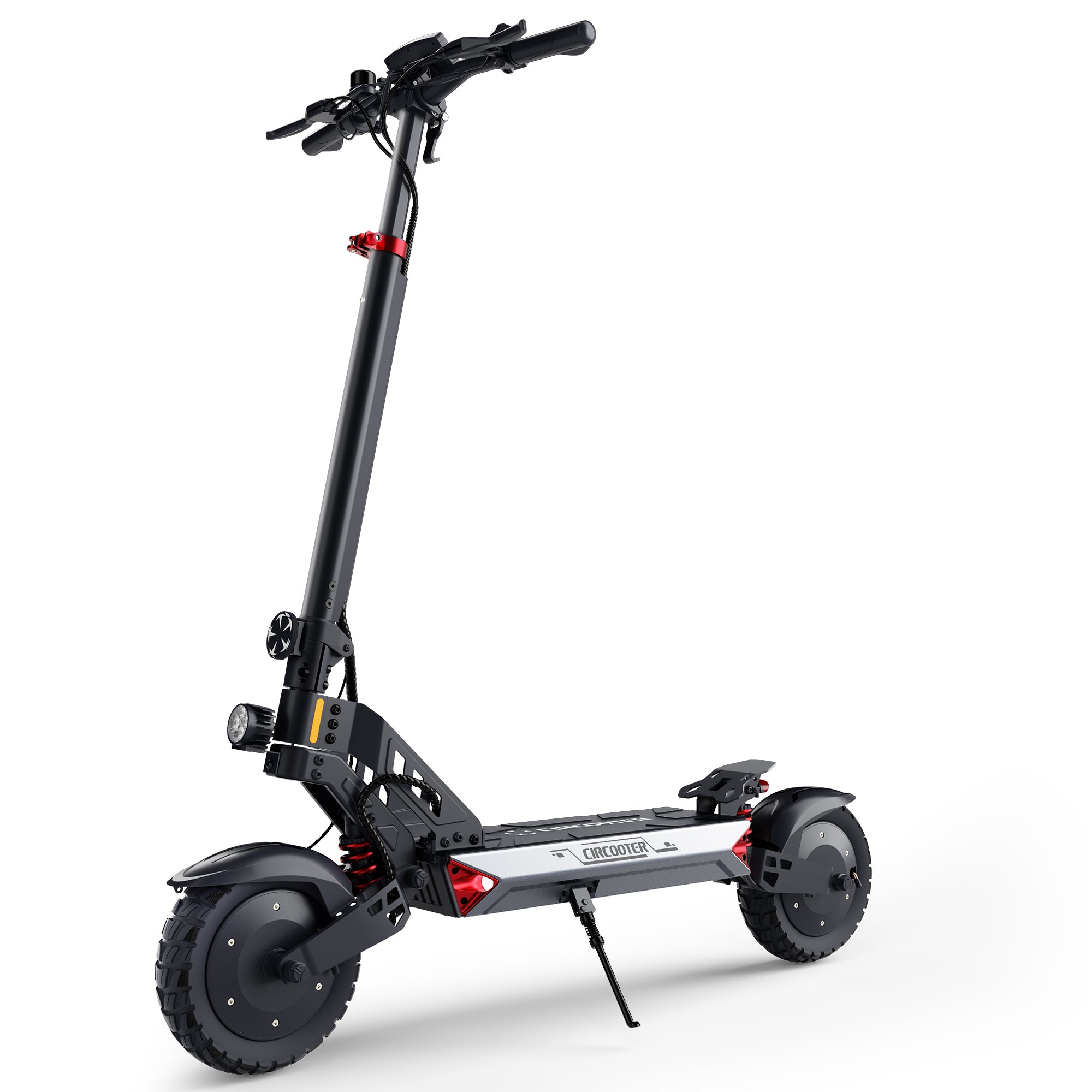
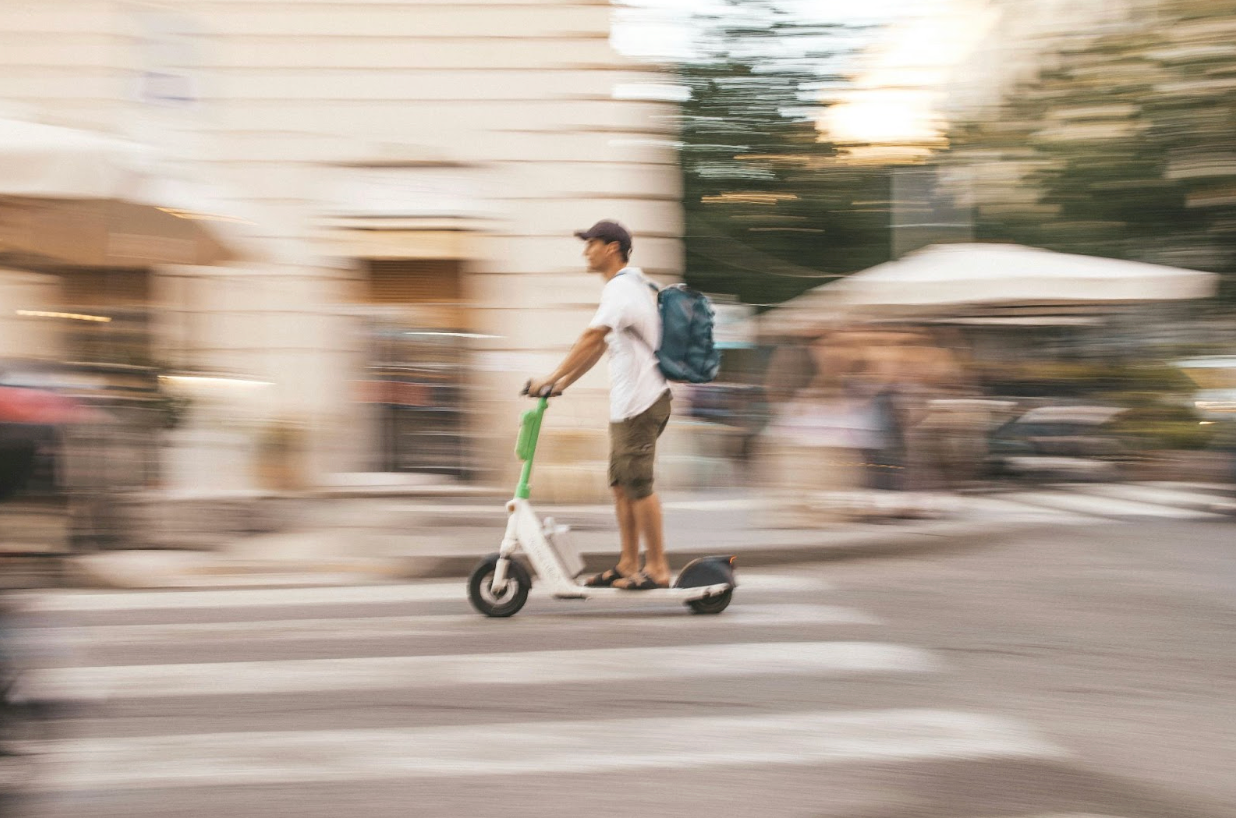
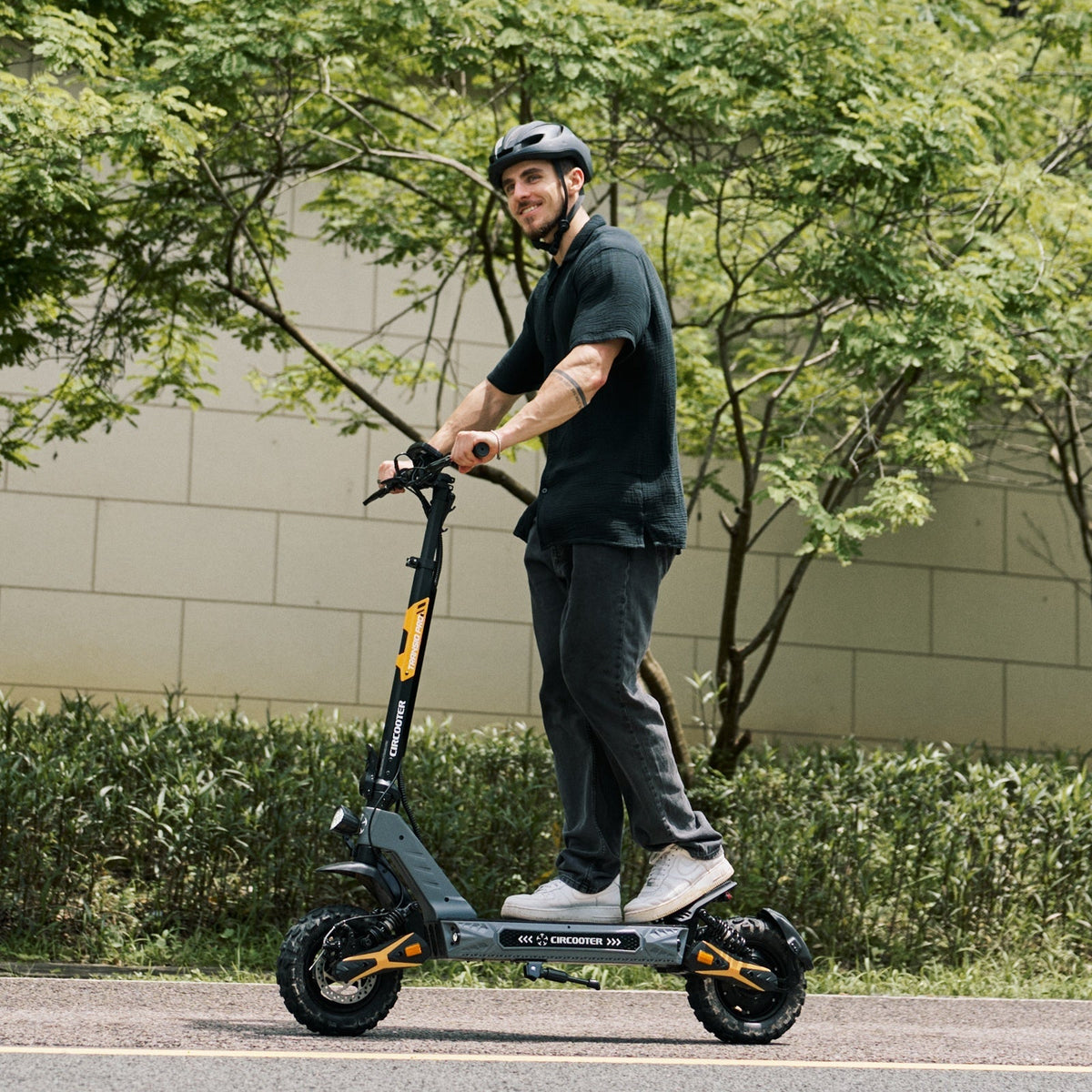
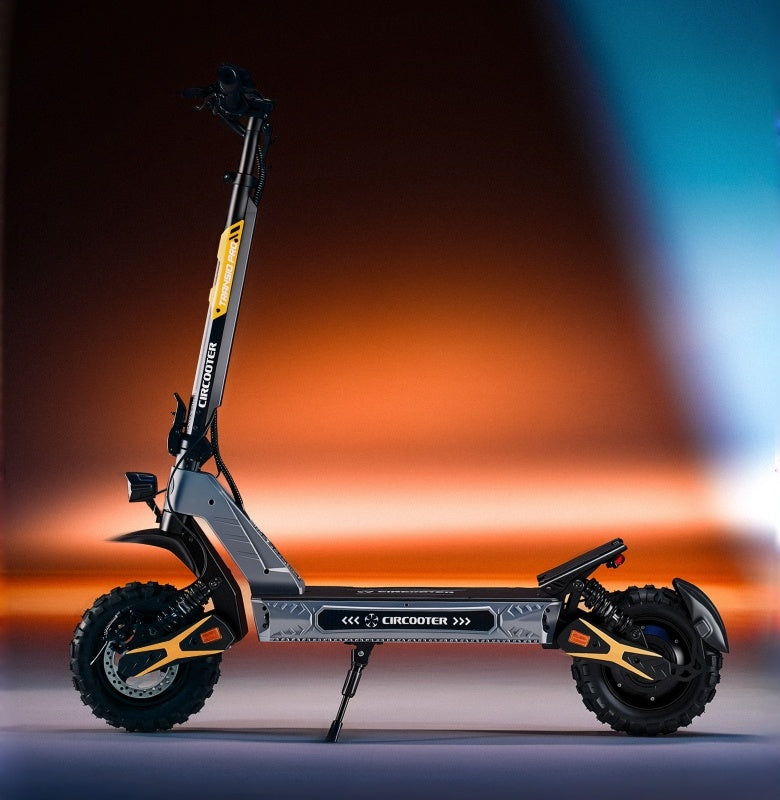
A scooter is a lightweight, electric two-wheeler with handlebars and a flat deck, designed for standing or sitting with an optional seat.
Key Characteristics of Scooters:
- Design: Two wheels, flat deck, handlebars, and the option to add or use a seat.
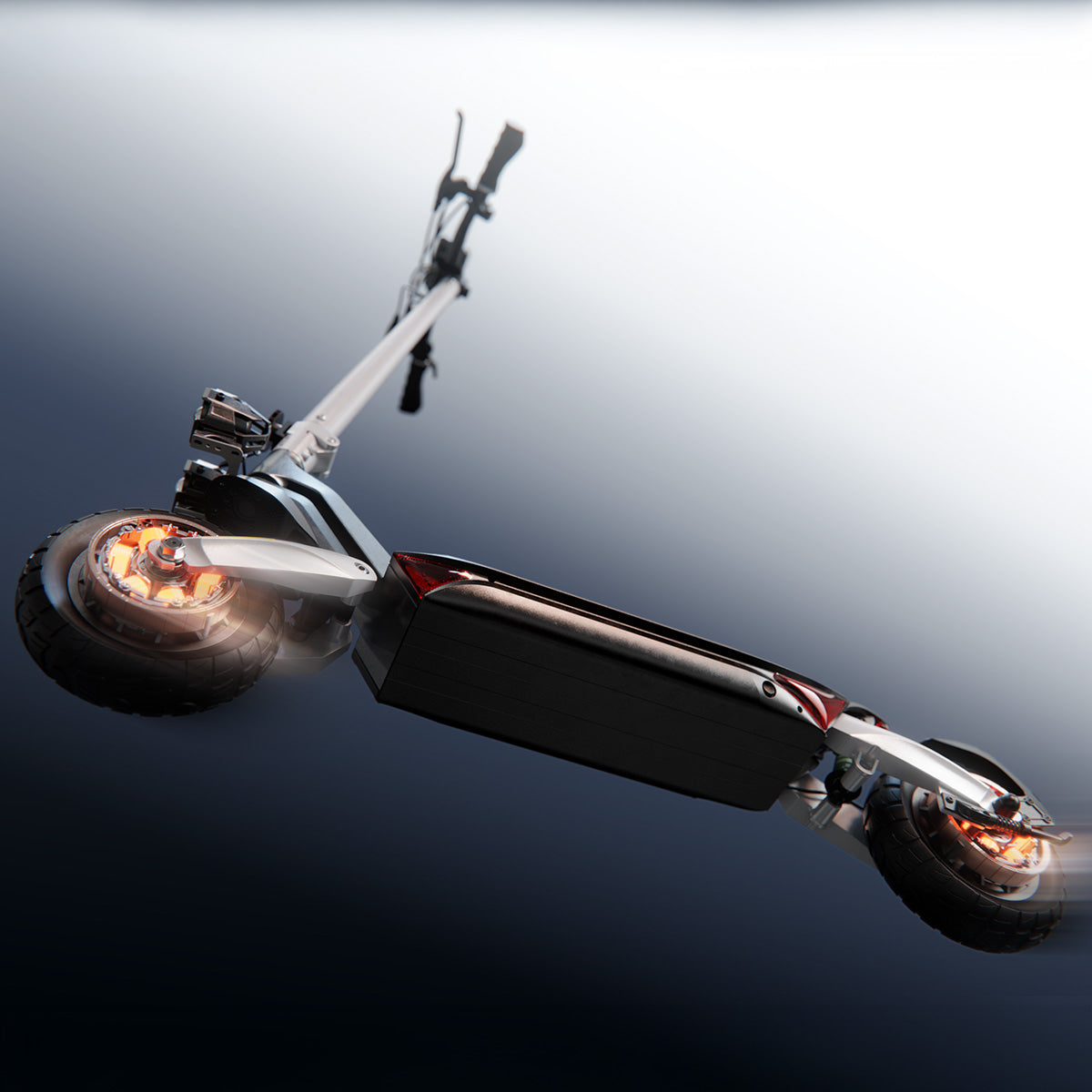
- Motor: Electric, typically 250W to 2000W or more.
- Top Speed: Usually between 15 to 30 mph (24 to 48 km/h), depending on the model.
- Range: 10 to 60 or more miles per charge, depending on battery size.
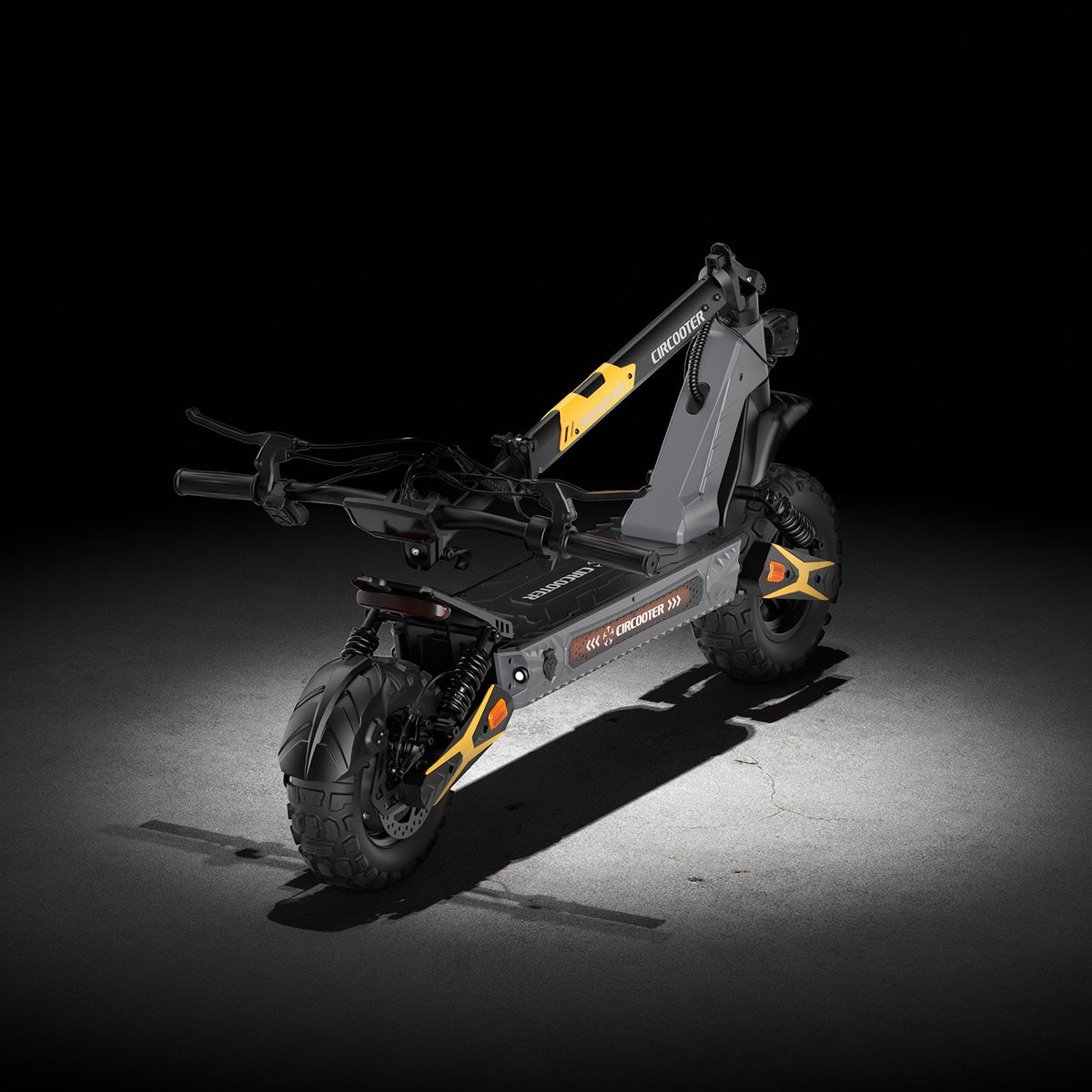
- Portability: Lightweight and foldable for easy carrying and storage.
- Seating: Can be ridden standing or sitting, with seat options available.
- Licensing: Often does not require a license or registration, depending on local laws.
- Best For: Short to medium commutes, last-mile travel, campus or city riding, and riders who value flexibility and portability.
📌Also read: Best Electric Scooter for Adults: Premium Rides for 2025
Moped vs Scooter: Side-by-Side Comparison
Comparing mopeds and scooters side by side can help highlight their differences at a glance. Here’s a quick breakdown of how they stack up in key areas.
|
Feature |
Moped |
Scooter |
|
Seating |
Always seated |
Stand or sit (seat optional or built-in) |
|
Engine/Motor |
Gas or electric, under 50cc or 1500W |
Electric, 250W to 2000W or more |
|
Top Speed |
28 to 30 mph |
15 to 30 mph (higher for some models) |
|
Range |
30 to 100 or more miles (gas or electric) |
10 to 60 or more miles |
|
Licensing |
May require license or registration |
Usually none required |
|
Portability |
Heavy, not portable |
Lightweight, foldable |
|
Storage |
Minimal, sometimes under-seat |
Minimal (backpack or hook only) |
|
Comfort |
More comfortable for long rides |
Flexible: stand for short rides, sit for longer ones |
|
Cost |
$1,000 to $2,500 or more |
$300 to $2,000 or more |
|
Maintenance |
Moderate (engine, tires, fluids) |
Low (battery, tires, brakes) |
Pros and Cons: Mopeds vs Scooters

Every vehicle has its strengths and weaknesses. Below, you’ll find the main pros and cons of mopeds and scooters to help you weigh your options.
Mopeds
Pros:
- Higher speed and range for longer commutes
- Comfortable seated riding position
- Can carry a passenger on some models
- Good for hilly or varied terrain
Cons:
- Heavier and bulkier, which makes them hard to store or carry
- Usually requires a license and insurance
- More expensive to buy and maintain
- Not allowed on bike lanes or sidewalks
Scooters
Pros:
- Flexible riding: stand for short trips or sit for comfort on longer rides
- Extremely portable and easy to fold and carry almost anywhere
- No license or registration required in most areas
- Very low maintenance with no oil and minimal repairs
- Perfect for short commutes and last-mile trips
- Eco-friendly with zero emissions
Cons:
- Less comfortable than mopeds for very long rides, even with a seat
- Lower top speed and range than mopeds
- Limited storage and cargo capacity
- Not ideal for rough terrain or steep hills
Cost Comparison
Cost is always a key factor when choosing a new ride. Here’s a look at what you can expect to spend on purchase, maintenance, and running costs for both mopeds and scooters.
|
Cost Factor |
Moped |
Scooter |
|
Purchase |
$1,000 to $2,500 or more |
$300 to $2,000 or more |
|
Insurance |
$100 to $200 per year |
Often not required |
|
Fuel/Charging |
$50 to $100 per year |
$15 to $50 per year (electricity) |
|
Maintenance |
$100 or more per year |
$20 to $50 per year |
📌Also read: How Much Is an Electric Scooter? Price Guide for 2025
Conclusion
Choosing between a moped and a scooter comes down to your personal needs and lifestyle. Both mopeds and scooters with standing or sitting options are affordable and fun alternatives to cars for city travel.
Before buying, always check your local laws and try to test-ride both options if possible. For more guides and tips on choosing and using your next ride, visit Circooter.
Ready to experience the freedom and convenience of scooters? Browse and shop the latest scooter models today and find the perfect fit for your lifestyle!
Frequently Asked Questions
What is the difference between a moped and a scooter?
The main difference is that mopeds typically have a smaller engine (usually under 50cc) and are always ridden seated, while scooters can have larger engines or electric motors and may offer the option to ride standing or sitting. Mopeds are generally limited to lower speeds and are designed for short, flat commutes. Scooters, especially electric models, are often lighter, more portable, and can be used for short to medium urban trips.
Is a scooter safer than a moped?
Safety depends on how and where you ride, but mopeds tend to be more stable at higher speeds due to their larger wheels and heavier frames. Scooters are usually safer at lower speeds and in areas with less traffic, such as bike lanes or sidewalks where permitted. Both require proper safety gear and awareness of local traffic laws.
Do you need a license for a moped or scooter?
Most places require a driver’s license or a specific moped permit to operate a moped on public roads. For scooters, licensing is often not required, but local regulations can vary. Always check your city or state’s specific requirements before riding.
Which is better for commuting: moped or scooter?
If your commute is longer and involves higher speeds or hilly terrain, a moped might be better due to its greater comfort and range. For short to medium city commutes, especially if you need portability and flexibility, a scooter is often more convenient. Consider your distance, route, and storage needs when choosing.
Are mopeds or scooters more fuel efficient?
Scooters are generally more energy-efficient and environmentally friendly since they run on rechargeable batteries and produce zero emissions. Mopeds with gas engines can be very fuel-efficient, often exceeding 100 mpg, but they still rely on fossil fuels. If eco-friendliness and low running costs are important to you, scooters are usually the better choice.




Leave a comment
All comments are moderated before being published.
This site is protected by hCaptcha and the hCaptcha Privacy Policy and Terms of Service apply.